Gov. Scott forecasts comeback for nuclear
January 20, 2026
Gov. Phil Scott, long a proponent of nuclear energy, threw his weight behind a bill Tuesday that could usher in a comeback for nuclear in 2026.
“There’s a better way to lower energy prices and reduce emissions much faster if you’re willing to work with us to change course,” Scott told lawmakers in his budget address on Tuesday.
The governor voiced support for ideas included in H. 601, a bill introduced by House Minority Leader Rep. Pattie McCoy, R-Poultney, earlier this month. That bill would alter an existing state law — the Renewable Energy Standard – that requires all Vermont utilities to reach 100% renewable energy like solar and wind by 2035. Under the bill, the law would be renamed the Clean Energy Standard and would include zero-emission sources of energy like nuclear power.
READ MORE

The standard in place today is inflexible, Scott told lawmakers Tuesday. He urged them to adopt his administration’s proposal that could get utilities to “100% clean energy by 2030 at a substantially lower cost,” he said.
“It’s time we join other northeastern states who have already recognized that proven renewable and clean sources like solar, hydro and yes, even nuclear, must be part of the solution,” Scott said.
The changes could lower Vermont’s renewable energy requirement from 100% for most utilities by 2030 to 75% by 2032, according to the bill. Rep. Kathleen James, D-Manchester, chair of the House Energy and Digital Infrastructure Committee heard testimony on the proposed Clean Energy Standard last spring. Estimates provided by the Department of Public Service indicated that rolling back the requirements and allowing utilities to get credit for buying nuclear power would save about $4 million a year, out of the roughly $1 billion Vermont spends on electricity every year, according to James.
That would save between 20 to 38 cents off a monthly electric bill of $95, James said, or up to $4.50 per year for the average Vermonter, assuming all the savings go directly to ratepayers.
Low-income Vermonters have struggled with their electric bills. Vermonters face some of the highest energy burdens in the nation, some paying 10% of their income on their energy, Scott said in his address. Utility disconnections because people can’t pay their bills have increased 31% between 2022 and 2025, according to the Public Service Department. When Scott’s office was asked whether $4.50 in annual savings justified nuclear initiatives, VTDigger was referred to the Public Service Department for an explanation on the numbers.
“Some have said that higher electricity and heating costs are the price we must pay to fight climate change,” Scott said in his speech. “I just don’t believe that’s true.”
The bill would open the door to nuclear in other ways, James said. “Importantly, H. 601 would repeal current law that gives the legislature the ability to approve or deny the construction of any new nuclear power plant in our state,” James said, which could “make room for more nuclear power plants like Seabrook in New Hampshire and Millstone in Connecticut.”
In addition, the bill could undo a 2006 law requiring public engagement around new nuclear plants in Vermont. It could also make changes to nuclear waste storage at the state’s former nuclear site, potentially allowing in waste from other states.
Back in 2010, Scott was one of only four state senators who were in favor of relicensing the Vermont Yankee Nuclear Power Station. At the time, he told VTDigger that nuclear power should be part of a mix of energy sources that included renewables like wind, hydropower and solar energy.
For decades, Vermont has pushed energy efficiency and weatherization efforts to lower the bills of homeowners and renters. But while Scott linked the high bills to the state’s efforts to lower carbon emissions, others blame the high costs on the state’s continued reliance on heating oil and propane.
“We’ve got among the highest percentage of our residents using oil and propane for heating in the nation, which are two of the most expensive heating sources you can use,” said Ben Walsh, climate and energy program director at Vermont Public Interest Research Group, an environmental advocacy organization. “That’s why we’ve been pushing so hard for so long to invest more in helping Vermontes reduce their usage of and spending on fossil fuels.”
The administration’s current proposal relies on zero-carbon sources like nuclear to replace fossil fuels, including introducing the possibility of new nuclear plants more than a decade after the last one closed.
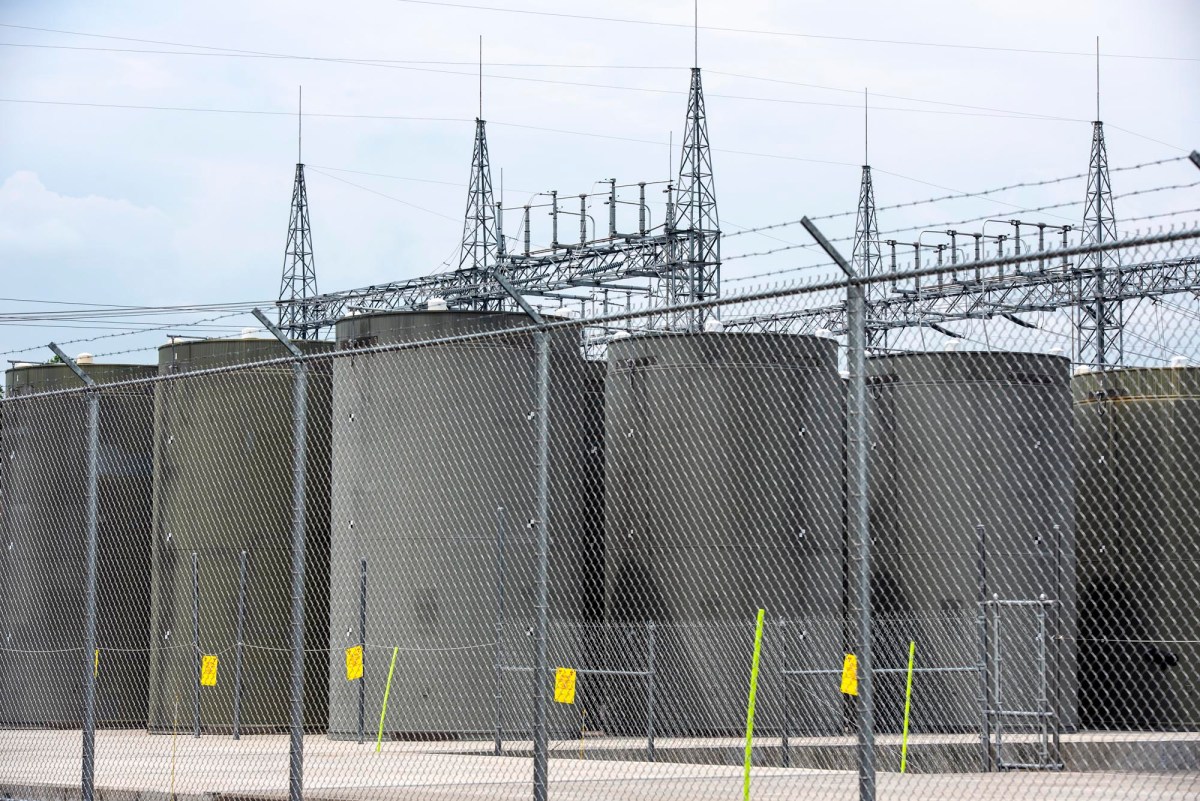
The state’s only nuclear plant, the 650-megawatt Vermont Yankee Nuclear Power Station, once produced more than a third of the state’s electricity before closing in 2014, outcompeted by cheap natural gas and opposed by decades of anti-nuclear activism. The plant is expected to be completely decommissioned by the end of the year, four years ahead of schedule, according to a September report.
Energy production left about 1,000 tons of nuclear waste behind that will remain at the site indefinitely. Right now, the Trump administration’s Energy Department is looking for a temporary place to store the nation’s stranded nuclear waste, including beginning conversations with communities like Vernon.
Search
RECENT PRESS RELEASES
Related Post