Guayepo: Solar energy and regional development in Colombia
December 15, 2025

Sponsored content.
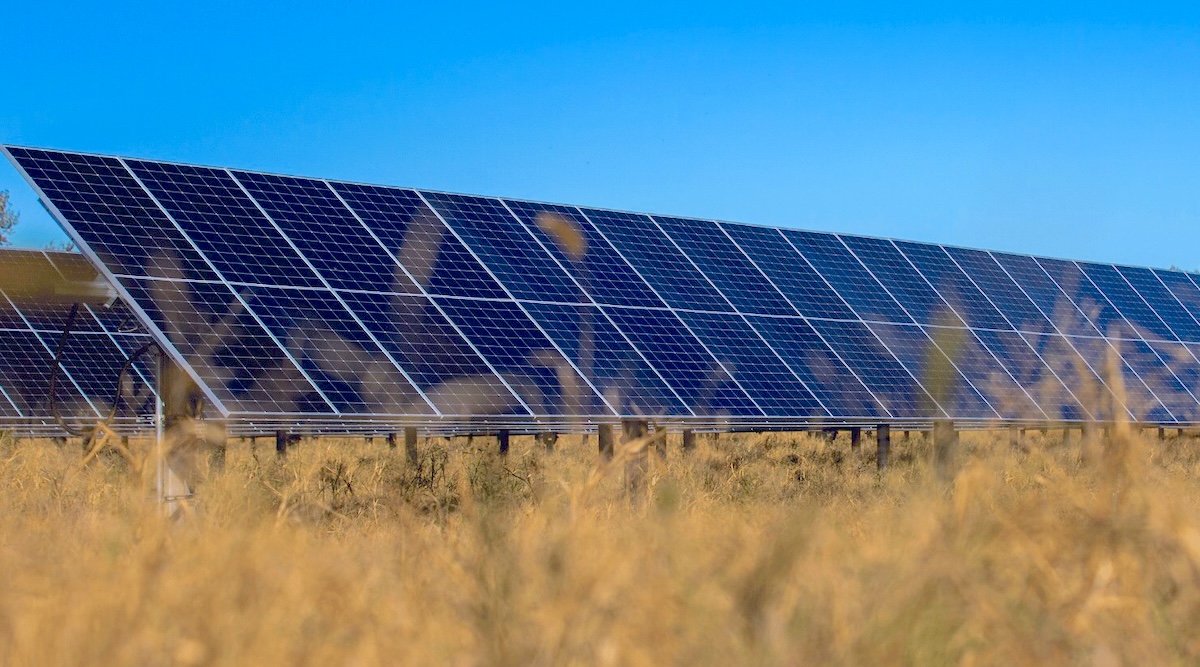
Guayepo I&II is not just the largest centrally distributed solar park in Colombia. It is a story of scale, operational choices and deep local roots. Located in the Atlántico department, between the municipalities of Ponedera and Sabanalarga, the plant began commercial operations at the end of 2024 and exemplifies the country’s ambition to accelerate renewable energy integration. Its net effective capacity is 370 MWac, and together with the under-construction Guayepo III and Atlántico parks, it will help establish the main Colombian solar hub and one of the largest in South America.
The scale of the energy output immediately conveys the magnitude of the plant. With an estimated annual production of around 865 GWh, the park can supply the needs of approximately one and a half million people, roughly the entire city of Barranquilla. Inside the park, there are about 780,000 solar panels, arranged to capture sunlight and continuously convert it into electricity.
The electrical core of the plant is housed in a connection infrastructure built to handle its capacity. The Martillo transformation substation occupies an area of 1.4 hectares; from here, the energy is routed to the grid through two 220 MVA transformers, 27 towers, and a 10-kilometer-long 500 kV transmission line. This backbone allows the park to deliver the electricity it produces to the national system and bring power to the country.

Alongside the technical details of the plant, which are essential to understanding its scale, there are other aspects that highlight its full value in terms of socio-economic impact and local integration. Enel signed a 15-year clean energy supply agreement with Bavaria, and thanks to this contract, since 2024 the company’s beer production has been powered by energy from Guayepo I&II.
Guayepo I&II is also a significant economic investment. The total value exceeded $340 million and generated more than 3,000 jobs. 77% of the workforce employed during construction came from the Atlántico department. These numbers tell the story of a supply chain that expanded across the region, bringing opportunities and skills. Recruitment days were organized, involving over 1,200 people, and in collaboration with SENA (Servicio Nacional de Aprendizaje), 383 workers were trained and certified in operational activities such as chainsaw operation, road supervision, and photovoltaic system installation.
The relationship with local communities has also translated into tangible projects. Through the program “Buena Energía para Tu Escuela”, Enel Green Power improved conditions in schools across the Atlántico department by building classrooms, cafeterias and playgrounds for 1,565 students, and donating 1,500 school kits and 30 tablets to support education. In parallel, a carpentry course was created for 77 people, developed in collaboration with SENA and the community, using materials provided by the company to create wooden products. In this way, reels and pallets from the construction site were transformed into tables, chairs, shelters, playgrounds, animal enclosures, and storage units, reducing waste and promoting sustainable practices—a perfect example of a circular economy with a direct positive impact on society and the environment. This virtuous approach of “creative recycling” has helped improve the well-being of local families, prevented the felling of many trees, and preserved local wildlife.

The park has also supported volunteer activities and health initiatives, reaching over 6,000 people. Improvements were also made to the Martillo School, enhancing the school’s facilities for 720 students. Another project took place in Santa Rita, where a recreational and sports park was built for approximately 1,500 people.
Education runs as a connecting thread throughout the project in multiple directions. Through the InnovaPlay local education initiative, supported by Enel Green Power, children and young people explored topics such as the energy transition, the environment and the circular economy. In the first phase, 293 students from the schools in La Retirada, Martillo, San Pedro Claver de Cascajal, Santa Rita, Puerto Giraldo and Ponedera participated, culminating in a concrete project for their communities. At the same time, the “En Tu Voz” project trained 22 young people in social communication—from photography to radio, creative writing to social media—with the goal of highlighting the stories and needs of their territories.

During its construction, and in full compliance with cultural heritage regulations, a preventive archaeology program was also carried out. Prospecting, recovery, and monitoring activities led to the collection of approximately 6.5 tons of ceramic fragments, the discovery of vessels in various states of preservation, animal bone remains, and stone artifacts. The program also included archaeology courses for project staff and hands-on training in the schools of Martillo and La Retirada, aiming to spread knowledge of current regulations and promote a culture of heritage protection.
Guayepo I&II, as a whole, represents an infrastructure that combines clean energy production, careful grid integration, and commitment to the local territory. The numbers help convey the scale of the project, but it is above all the operational choices and the initiatives shared with the communities that show how a large plant can become an integral part of the economic and social life of an area.
Content provided by:

Search
RECENT PRESS RELEASES
Related Post