Guide: The future of Michigan’s clean energy law
June 15, 2026
Overview:
- Michigan’s 2023 Clean Energy and Jobs Act requires 100% renewable electricity by 2040, but the November midterm elections could determine the law’s future.
- Proposed “Project Lighthouse” legislation would repeal clean energy mandates.
- DTE and Consumers Energy will submit integrated resource plans in 2026 for the first time under the new law.
This story is part of a series by Planet Detroit on the environmental and health issues at stake in the 2026 midterm election.
It’s been nearly three years since Michigan passed the Clean Energy and Jobs Act, landmark legislation that aims to transition the state’s electricity generation to 100% renewable sources by 2040.
🗳️ Civic Action Toolbox
Why it matters
The outcome of clean energy legislation and upcoming utility planning decisions will directly affect how much Metro Detroit residents pay in electricity bills and how utilities invest in renewable energy.
Who’s making public decisions
The Michigan Public Service Commission regulates utilities and will review DTE and Consumer’s Energy resource plans this year. The governor appoints MPSC members, and the Legislature can pass or repeal energy laws.
Upcoming Meetings
Civic Actions: What You Can Do
Organizations to Follow
What to watch for next
DTE Energy and Consumers Energy will submit integrated resource plans to the Michigan Public Service Commission this year, the first evaluation of Michigan’s progress toward carbon-neutral electricity under the Clean Energy and Jobs Act.
Are you taking action? Let us know.
Thank you! Your response has been recorded.
Civic resources compiled by Planet Detroit
The midterm elections in November will play an important role in how this transition to a clean energy future plays out.
Legislators can repeal or pass new laws, and the state attorney general has historically intervened in utility rate hike cases to advocate on behalf of residents.
Michigan’s governor appoints members of the Michigan Public Service Commission (MPSC), the body that regulates Michigan’s utilities and the energy they generate.
The 2023 legislation is a major step forward for Michigan – but it’s just the start of addressing affordability, reliability, and sustainability concerns that have plagued Michigan’s energy grid for decades, said Ben Poulson, state government affairs director at the Michigan League of Conservation Voters.
“We are digging out of a very giant hole,” he said.
In 2023, before Gov. Gretchen Whitmer signed the bill package into law, DTE Energy entered a settlement agreement with Attorney General Dana Nessel and 20 other intervenors to significantly boost its clean energy output and reduce its carbon emissions.
That included plans to shutter its coal-fired plant in Monroe several years earlier than previously planned.
DTE has also invested in more sustainable energy facilities, like solar and wind farms.
In 2024, at the behest of the MPSC, DTE took the first steps toward planning for a future with greatly reduced natural gas demand thanks to increasing electrification.
The Clean Energy and Jobs Act gives the MPSC the tools it needs to hold utilities accountable to the state’s climate goals, Poulson said.
“The 2023 clean energy law really did a lot in order to help our regulators hold utilities accountable, instead of approving energy resources and integrated resource plans that make utilities the most money,” he said.
Recent legislation called “Project Lighthouse” seeks to repeal the state’s clean energy mandates and more. State Rep. Pauline Wendzel (R-39th District), the bill package’s sponsor, called the 2023 requirements “arbitrary” and said they help large investor-owned utilities instead of everyday ratepayers.
Poulson said repealing the green energy requirements would lead to higher bills for residents.
“We will likely see utilities arguing that they need to build more expensive projects that deliver larger returns to their shareholders instead of delivering energy resources that lower energy bills,” Poulson said.
The repeal legislation as proposed would also void rate hikes the MPSC approved in the last several years for DTE and Consumers. Analysis by 5 Lakes Energy and Evergreen Action found that Project Lighthouse would increase residential utility bills in the long term.
Poulson said that’s because Project Lighthouse goes beyond the recent clean energy provisions.
“It repeals a lot of programs that we have been using to lower energy (waste) and lessens the accountability that we have on utility companies here in the state,” he said.
The repeal legislation passed the state house last month, but likely won’t pass the Senate.
Michigan’s progress towards carbon neutral electricity generation will be evaluated for the first time this year. The largest utilities in the state, DTE Energy and Consumer’s Energy, plan to submit integrated resource plans to the Michigan Public Service Commission in 2026.
Utilities submit those plans every few years to demonstrate their plan to meet energy needs of customers and the state’s regulations for energy generation and use – including the Clean Energy and Jobs Act. It’s an opportunity for the commission to use its new tools, Poulson said.
“Those cases, as well as addressing data center regulation in the state of Michigan, are two very big tests of the MPSC holding the utilities to our climate goals.”
MORE MIDTERMS 2026 NEWS
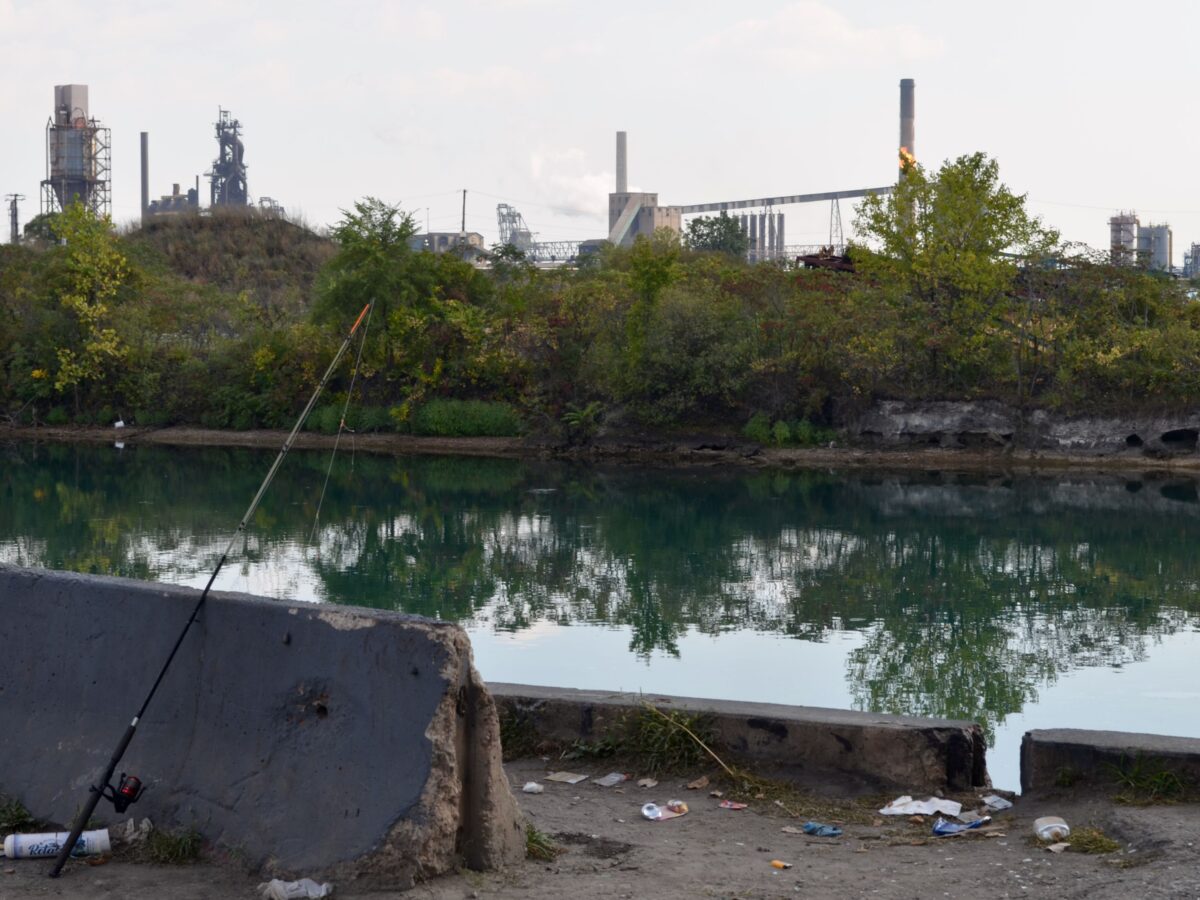
Guide: What cumulative impact legislation would mean for Michigan communities
Michigan environmental advocates have pushed for years for legislation to address cumulative impacts in overburdened communities like Southwest Detroit, where residents are affected by pollution from multiple major polluters, smaller operations, and mobile emissions sources.


Why data centers are key issue in Michigan’s Democratic Senate primary
Candidates in the closely watched Senate race need to offer specific plans for addressing data centers, environmental advocates say.
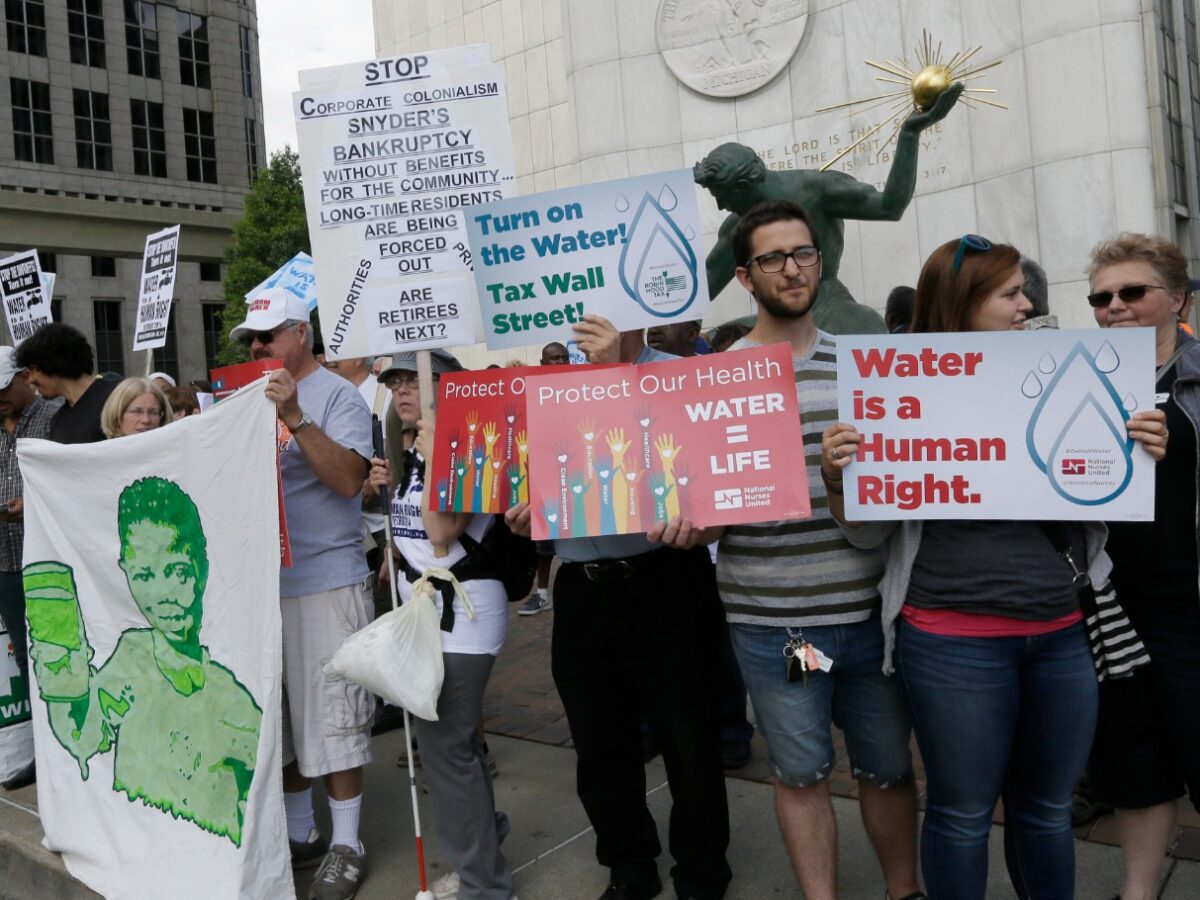
Guide: Michigan’s water affordability issue by the numbers
Between 6.59% and 10.75% of Michigan households are water-burdened, spending more than 5% of their income on water service, according to a University of Michigan study.
Search
RECENT PRESS RELEASES
Related Post