High gas prices have you considering an electric car? Ask yourself these questions before making the switch
May 1, 2026
The big spike in gas prices since the start of the Iran war has significantly increased the day-to-day cost of owning a car that runs on fossil fuels, and all signs suggest that extra expense isn’t going away anytime soon.
For most of history, drivers had no other realistic option but to ride the roller coaster of gas prices as it rose and fell based on what was happening in the world at the time. But that’s no longer the case.
Over the past several years, electric vehicles have become an increasingly viable alternative to traditional cars. They still represent a relatively small share of the cars on America’s roads, but they’ve made major strides in quality, availability and variety.
But even though owning an electric car would mean no longer having to worry about fluctuations in gas prices and pumping less carbon into the atmosphere, they aren’t necessarily the right choice for everyone.
Here are some questions you should ask yourself if you’re thinking of making the switch.
How electric do you want to go?
Electric vehicles aren’t an all-or-nothing proposition. There are three categories of EV that allow you to choose how much you want to rely on electric power to get around.
Most of the time, when people talk about EVs they mean fully electric vehicles that are exclusively powered by electric motors. Owning one of these means never having to stop at the gas station again and relying fully on the car’s battery to keep it powered.
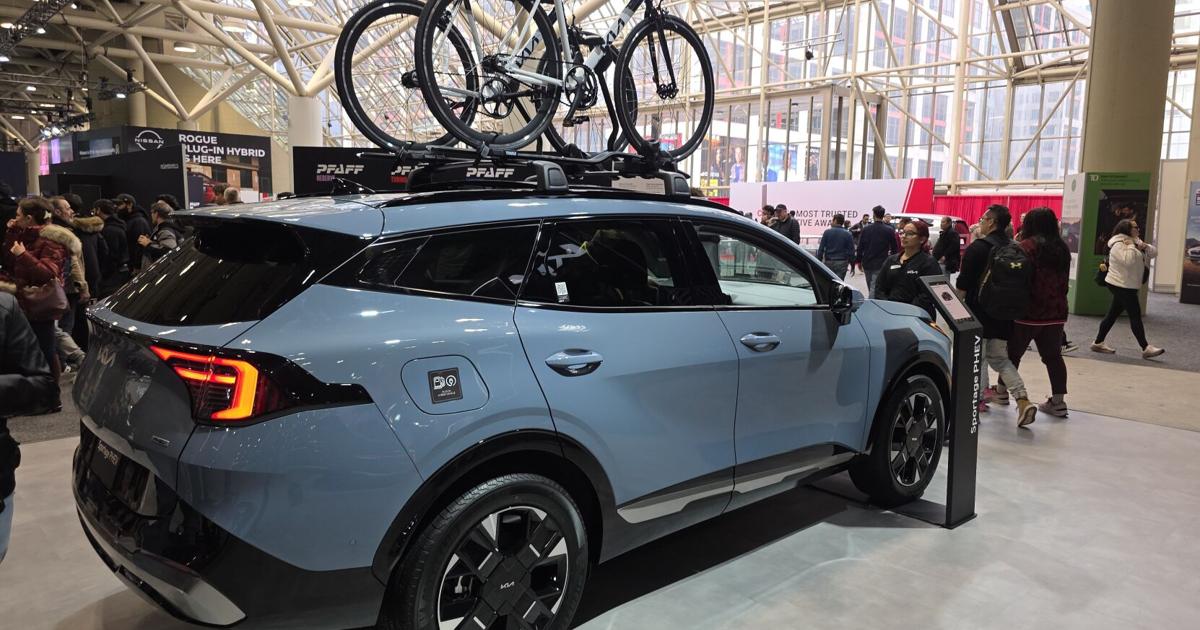
There are other options that represent more of a half step into EV ownership for those who aren’t quite ready to dive all the way in. Plug-in hybrids have both an electric battery and a gas tank. When the battery is charged, the car is powered by electricity. The gas engine kicks in once the battery is depleted. That means if you charge your car overnight, the first chunk of your morning drive will use zero gas. How far the battery will get you varies. In most models, the range is 25 to 35 miles, but some high-end plug-ins can go more than 50 miles before switching to gas.
Finally, there are more traditional hybrids like the Toyota Prius, which has electric and gas engines that take turns based on what the car is doing. The electric motor typically handles driving at low speeds and cruising, while the gas engine kicks in when more oomph is needed. Owning a traditional hybrid means the routine you’ve gotten used to with your gas-powered car won’t change. You’ll never have to plug it in and you’ll still need to make regular stops at the gas station, though they’ll be less frequent.
Which is harder: Higher up-front costs or higher long-term costs?
There’s no definitive answer to the question of whether EVs are more or less expensive than gas-powered cars. The best studies have found that the full cost of ownership — from the moment you buy it to the day you get rid of it — ends up being higher for EVs a little more than half of the time, depending on the car and a long list of other variables. However, there’s a major difference in when those expenses hit between the two.
EVs tend to have substantially more startup cost, mostly because of their high sticker prices. The price gap between EVs and gas cars has been shrinking, but it was still about $6,500 earlier this year, according to Kelley Blue Book.
On a day-to-day basis, EVs are less expensive. Charging an EV’s battery is substantially cheaper than filling a traditional car’s gas tank. EVs also require less maintenance because they have fewer moving parts that might need repairing and don’t use fluids like engine oil that need to be replaced regularly.
Whether that difference is enough to make up for the extra expense at the start depends on a lot of factors, including how big the initial price gap is, how many miles you drive in a year and how high gas prices are relative to electricity rates where you live. Some EV companies and state governments have calculators that can help you figure out whether the math of owning an EV will work out in your favor.
How are you going to charge your EV?
One of the biggest variables for EV owners is whether they are able to charge their cars at home or if they have to get their power from somewhere else. About 86% of EV charging happens at home, according to JD Power, but a lot of Americans live in apartment buildings or other living situations where they don’t have reliable access to at-home charging.
For those who can charge at home, there are two options. The first is plugging the car in using a standard electrical socket in their home. This method, known as Level 1 charging, is convenient, but it charges the car very slowly. You usually only get about 4 or 5 miles’ worth of juice out of an hour of charging. For this reason, most EV owners install dedicated charging stations that refill the batteries much faster. Installing an at-home, Level 2 charger can cost anywhere from $800 to several thousand dollars, depending on whether you also need to make upgrades to your electrical system so it can handle the additional load.
There are also public chargers for those who aren’t able to charge at home or need to top up their battery on the go. Though less convenient than at-home options, many public chargers use Level 3 technology that allows them to charge your car’s battery much faster. Getting a battery from 10% up to 80% can take anywhere from 18 minutes to an hour, depending on how advanced the car and charger are. It costs more to use these ultrafast public chargers, but the bottom line is still usually well below the price of a tank of gas.
There are more than 250,000 public charging stations across the U.S., but they are not evenly distributed. Many communities don’t have reliable access to public charging infrastructure. This map made by the federal government can help you decide whether public charging is a reasonable option where you live.
What kind of car do you want?
The number of EV models on the market in the U.S. has increased dramatically in recent years, but there are still fewer options compared with traditional cars.
If, like most car buyers, you’re looking for an SUV, a sedan or a truck, you’ll have a good number of options to choose from. The choices get very limited outside of those categories, though.
For example, there is currently only one fully electric minivan on the market in the U.S., the Volkswagen ID Buzz, and its sales have been so tepid that the company opted not to make a new version of the vehicle for 2026. Fans of tiny cars also have only one choice. Fiat’s 500e is the only 2026 model that’s smaller than a typical compact sedan.
Anyone looking into buying an EV will quickly become familiar with the phrase “range anxiety.” This is the term that’s used to describe the challenges electric cars face on long drives that can’t be completed on a single charge. The good news is that batteries have improved, and many newer EVs can travel over 300 miles on a single charge.
The problem comes when it’s time to recharge. Getting gas often only adds a few minutes to a road trip’s itinerary. Filling up an EV’s battery can take up to an hour. You’ll also have to find a charging station, which often takes a lot more effort and planning than simply looking for gas station signs on the side of the highway.
Range anxiety is one of the biggest factors that make people hesitant to buy an EV, but statistics suggest this worry is overblown for most drivers. About 93% of all car trips are shorter than 30 miles and the average driver only travels about 37 miles per day. Still, the hassle of having to take regular extended stops might be a deal breaker if you’re in the minority of drivers who make regular long-distance drives.
Do you have access to tax incentives?
Under former President Joe Biden, Congress created a tax rebate worth up to $7,500 to help defer the cost of buying a new EV. Those credits were originally meant to last until the end of 2032, but they’re no longer available after Republicans passed a law last summer that changed their expiration date to September 2025.
The federal government is still offering a tax break of up to $1,000 to reduce the cost of installing an at-home charger, but that credit is only available in certain parts of the country. You can find out whether it’s available where you live by using this guide. But you’ll need to move quickly to take advantage of it because it expires at the end of June.
Some states and cities are still offering pretty generous tax incentives. You can find out which benefits might be on offer by searching for your ZIP code in this database.
Search
RECENT PRESS RELEASES
Related Post