How Ethereum’s biggest conference exposes crypto’s identity crisis
April 3, 2026
- DL News attended the EthCC conference in Cannes this year.
- The split between the blockchain’s cypherpunk and corporate fans was hard to miss.
- Conference side events were still the biggest draw.
This year at EthCC, the Ethereum blockchain’s premier gathering in Cannes held between March 30 and April 2, it felt like two conferences going on in parallel, people told me.
On one side are the cypherpunks, the privacy-loving industry trailblazers who want to use the power of cryptography to cut out middlemen and empower users.
On the other side are those looking to sell crypto and its products to the traditional financial world, sometimes by compromising on the ideals baked into the technology by the former group.
It’s the latest, and perhaps the starkest, example of the identity crisis bubbling within Ethereum and the broader crypto industry.
Cypherpunks built the technology, bestowing it with their libertarian values. Now, however, it’s being packaged and sold to Wall Street by those who are at best hoping to convince the corporate world of the value of decentralisation and permissionless blockchains, or at worst, looking to make a quick buck at the industry’s expense.
Vibe shift
It’s no secret that the crypto industry has become more institutionalised in recent years.
When the US Securities and Exchange Commission approved Bitcoin exchange-traded funds in early 2024, it opened the floodgates to institutional capital. Asset managers are now allocating to crypto en masse, something unthinkable just two years ago.
It’s in-person conferences like EthCC and the dozens of side events orbiting it that really highlight the scale of the change.

At previous conferences, the now substantial cohort of traditional finance attendees was small or non-existent, Dennis Bree, head of institutional growth at DeFi lender Morpho and conference veteran of five years, told me.
He recounted a conversation with the head of digital assets at a major US bank. Two years ago, they weren’t allowed to attend in an official capacity, and if they wanted to go, they needed to do so on their own time and money, Bree said.
Now, the conference is packed with ambassadors from the traditional financial world — networking, forming partnerships, and allocating funds. Yet I also heard from many attendees that it seemed there were fewer people at the event this year compared to last.
Funding pressure
EthCC itself has embraced this shift. Whether out of choice or necessity, though, is less obvious.
As conferences get bigger, they inevitably need more money to run. Because of this, conference organisers can’t be as discerning as they might like when it comes to wealthy sponsors, according to Seth, chief of operations at privacy-focused Cake Wallet, a ruby-tier sponsor for EthCC.
This year, Canton network, an upstart blockchain that aims to cater to the traditional financial world and has received criticism from some industry leaders, was among the event’s top sponsors. Its branding was plastered over a popup cafe on the venue’s top floor, which I was told cost six figures to run for the four-day event.
Ethereum France, the organisation behind EthCC, did not immediately confirm that price.
The impact, according to Seth, is that Ethereum’s cypherpunk side becomes much less visible. People discovering crypto for the first time are going to have to dig deeper to find out about the cypherpunk values that underpin the technology, he told me.

To add to the funding pressure, one conferencegoer told me that EthCC lost some of its sponsors after the US and Israel attacked Iran on February 28.
Events some sponsors were also attending in the Middle East were cancelled due to the war, and they chose to reinvest all their resources in US-based conferences happening later in the year, I was told.
Ethereum France did not immediately respond to a request for comment.
Then there’s the cost to the conferencegoers themselves. At $500, tickets to EthCC are pretty expensive compared to some other conferences.
By contrast, BTC Prague charges general attendees a much more affordable $21.
Danny Sanders, chief commercial officer at Trezor, told me that if he could change one thing about EthCC, he would make it cheaper for general attendees. Trezor, a crypto hardware wallet company, was at the event primarily for retail investors, not enterprise, he said.
“I haven’t seen a general admission pass,” Sanders said. “I don’t even know what colour they are.”
‘I’m really hungry this year’
Everyone at the conference I asked said side events are still the primary reason to attend, both for the cypherpunks and the more institution and enterprise-focused people.
But the quality of the experience can vary.
“I’m really hungry this year, companies can’t afford to feed me,” I heard from one business development attendee.
According to the source, in previous years he had been lavished with three course meals plus drinks by prospective partners. Now he’s lucky if there’s finger food, the source said, reflecting that it could be a sign the industry is struggling.
Some of the events I attended were less reserved.
On Wednesday, Optimism and Austrian crypto broker Bitpanda hosted a blow-out party high in the hills overlooking Cannes to celebrate the launch of a joint blockchain called Vision Chain.
The venue, a 118,000 square foot villa and garden complex, boasted an infinity pool, a gym and a spa. Staff in black tie attire weaved between the guests, serving drinks and offering hors d’oeuvres.

“It’s definitely the kind of party you throw if you want to show you have money,” a fellow journalist at the event recounted to me from a conversation he had with an attendee.
A Bitpanda spokesperson told DL News the event reflected that the industry was maturing and moving closer to the traditional finance world.
Last month, Optimism Labs, the blockchain’s developer, said that the company was letting go of 20 employees in a significant layoff. Weeks before, Coinbase said it was ditching Optimism’s tech, which it uses for its Base layer 2 blockchain. The partnership with Coinbase generated $16 million for Optimism over its lifetime.
But not every event was so flashy and ostentatious.
On Tuesday, DeFi’s true believers huddled in a pub tucked away behind the designer brand shops and luxury hotels to reminisce about the industry’s glory days and share insights into what the next big trends in decentralised tech could be.
Yet it seems as if such events are getting rarer as the crypto industry becomes more institutionalised.
The divide among Ethereum fans at the conference was perhaps not surprising given the strong signal from the Ethereum Foundation, the blockchain’s biggest nonprofit organisation, weeks prior.
On March 13, the foundation published a new mandate that reaffirmed its commitment to cypherpunk principles.
“To be a part of EF, our own teams must remember that Ethereum must, above all, remain censorship resistant, open source, private, and secure — CROPS,” the foundation said in the mandate.
“These are the conditions that make Ethereum worth using, and therefore worth building, and worth defending. They must never be traded away for convenience: without them we have nothing.”
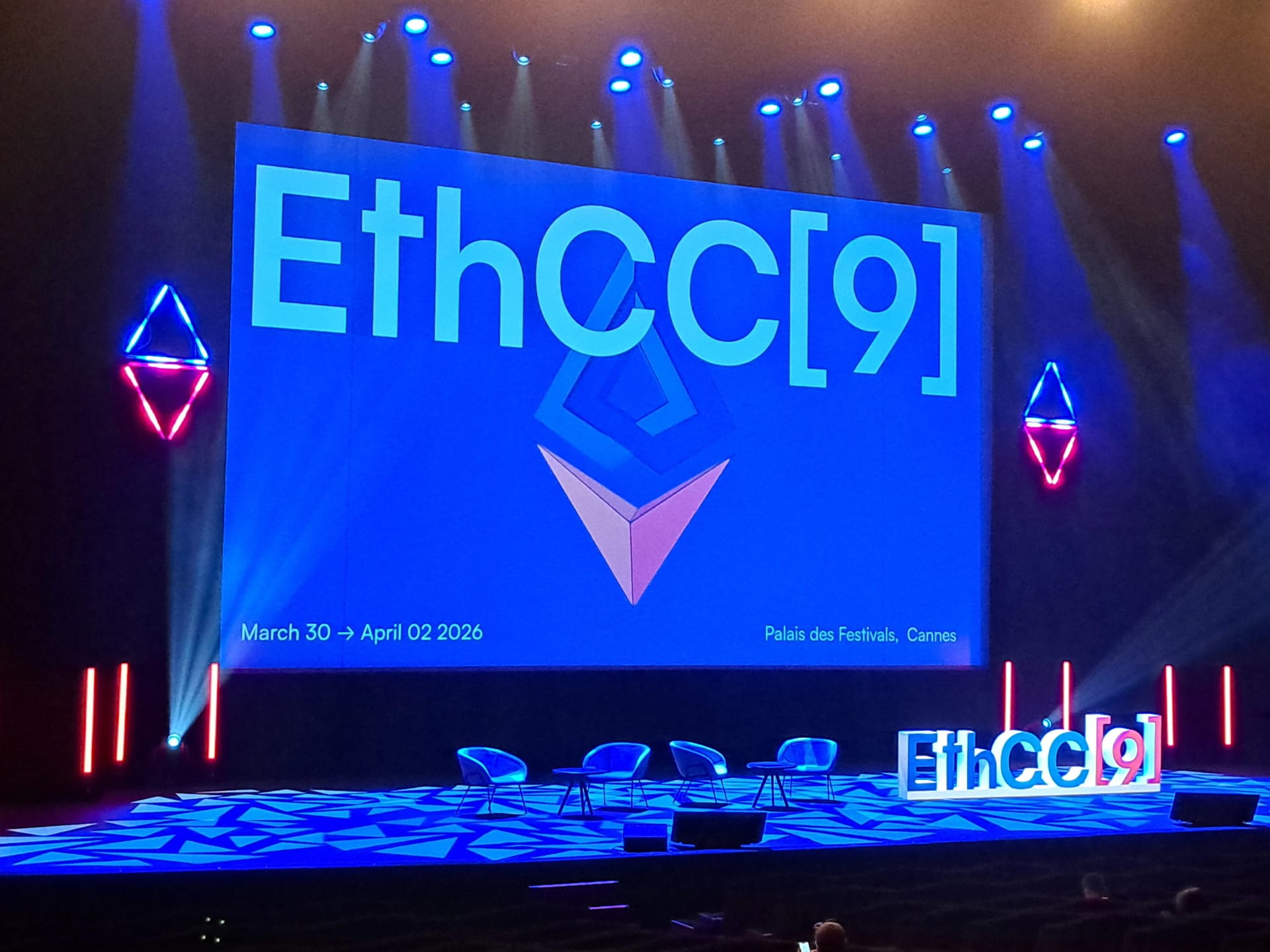
Yet for most of the week, I saw these values give way to pragmatism in the face of institutional money.
It begs the question: Will crypto become subsumed by the leviathan of the traditional finance world? Is this inevitable, like what happened to the Internet?
Maybe. Yet many of those I spoke to were also optimistic that crypto’s cypherpunk roots will endure even as the traditional financial world brings the technology into its fold.
“They are here because of the cypherpunks,” Alex Cutler, CEO of Aerodrome creator Dromos Labs, told me.

Tucked away in an alley behind the designer brand shopfronts…Tucked away in an alley behind the designer brand shopfronts and seafront hotels in Cannes, decentralised finance’s true believers…
Even if institutions are here to just make money, that’s ok, Cutler said. The important parts of the technology — decentralisation, censorship resistance, and openness — won’t get left behind, he said, because they offer a competitive edge.
“They need to integrate it, otherwise they will fail,” he said.
Tim Craig is DL News’ Edinburgh-based DeFi Correspondent. Reach out with tips at tim@dlnews.com.
Related Topics
Search
RECENT PRESS RELEASES
Related Post