How physical AI and digital twins are shaping the autonomous factory in automotive manufac
June 2, 2026
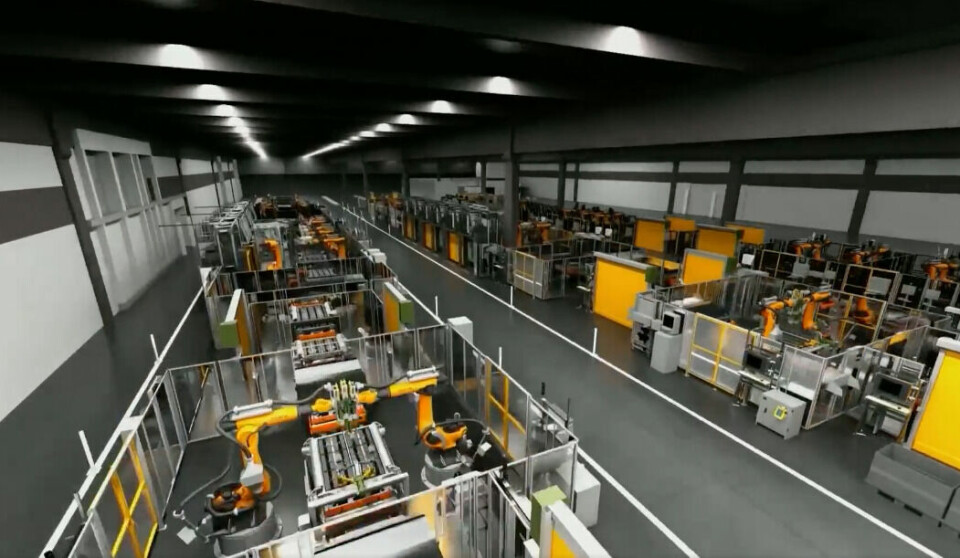
Digital platforms are enabling OEMs to visualise production
processes end-to-end before executing them on the shopfloor. The challenge now
is to get the workforce of new talent up to scale and coherent with the latest
technology and the speed of its development.
The deployment of more intelligent automation is being coordinated by [AI] agents and that is what will ultimately be the final vision of an autonomous factory
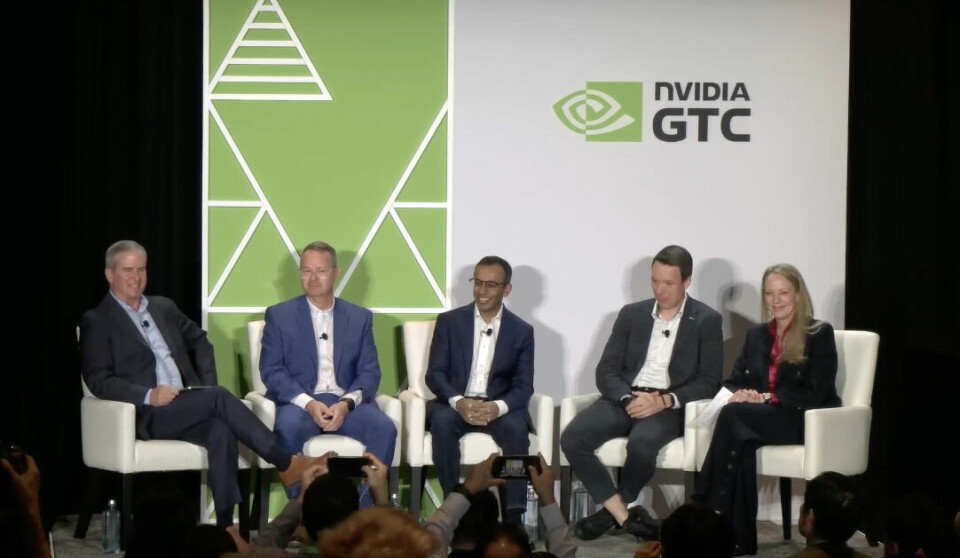
At this year’s Nvidia GTC global AI conference, speakers
from Hyundai, Lucid, Schaeffler and Accenture looked at how the automotive
industry is being transformed by AI and how a digital twin of the supply chain
is critical to optimising manufacturing decisions. The journey from generative
AI for design to agentic AI for orchestrating production in complex
environments is now entering the phase of physical AI, driving fundamental
change in the real world by simulating manufacturing processes and then deploying
autonomous robotics to carry them out.
“The deployment of more intelligent automation is being
coordinated by [AI] agents and that is what will ultimately be the final vision
of an autonomous factory,” said Alpesh Patel, senior vice-president of the Software-Defined Factory Transformation
Center at Hyundai Motor Group.
Advertisement
Software-defined
factory
Hyundai Motor Group
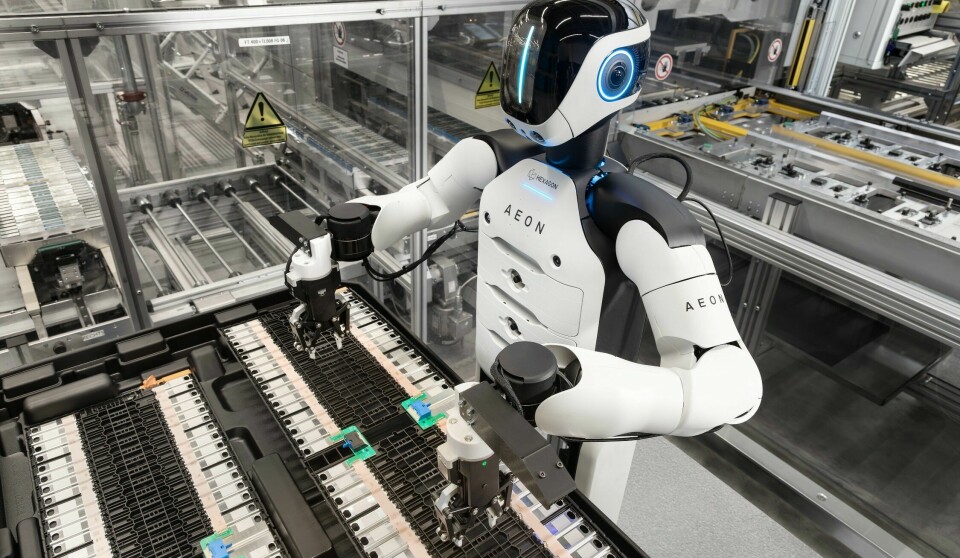
is currently building an AI factory with Nvidia in Korea to accelerate model
training, validation and deployment for in-vehicle AI, autonomous driving,
smart factories and robotics. Nvidia provides hardware and software for AI and will
Hyundai will be deploying Nvidia’s Blackwell AI infrastructure across
manufacturing and robotics, as well as autonomous driving. The two companies
are working with the Korean government to develop the country’s AI
infrastructure. That includes the establishment of an AI application
centre and an AI technology centre, while developing local talent. Hyundai
is also exploring the use of Nvidia
Omniverse and Cosmos platforms on Nvidia RTX PRO Servers to develop car factory,
digital twins and robots.
The
Software-Defined Factory is Hyundai’s initiative to make manufacturing automation
more intelligent and take on physical tasks that were previously inaccessible,
including those laborious and repetitive tasks that workers no longer want to
do. Physical AI plays a major role in this initiative and what is, according to
Patel, is the integration of the supply chain and the creation of a digital
twin of that supply chain from tier-n production all through to aftersales.
With everything connected, Hyundai will use relevant AI agents to optimise
decisions at a macro level across operations and at a micro level within each
respective factory.
The challenge with
bringing on each factory in Hyundai’s global network is the different ages of
those factories, making middleware platforms crucial to the success of the
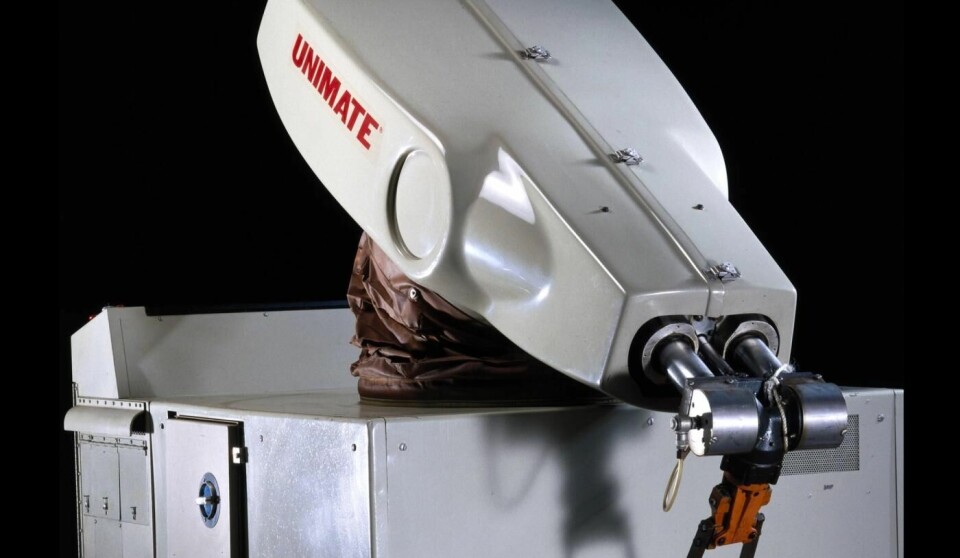
enterprise. The hardware and software systems that directly monitor,
control and manage physical devices, processes and production lines need to be
comprehensive. Patel said that
operating a portfolio of factories of very different ages means making sure the
data provided can be understood by the AI agents deployed whether the equipment
in those factories is 25+ years old or not.
“I think
that those foundational technologies on the operational technology layer are
extremely important to what we are trying to put as an overall supply chain,”
he said.
Roberto Henkel, senior
vice-president of digitalisation and operations IT at tier one components
supplier Schaeffler, also talked about the need for a standardised platform to
optimise daily operations across factories old and new. Henkel said roughly 20
out of its 100 factories were less than ten years old and there is a huge
challenge to establish the standardised platform necessary to gather data from
the older facilities so Schaeffler can execute digital tools at scale.
For older plants it
is about enriching data with context and building a virtual foundation on which
to make decisions about how to make manufacturing more efficient.
Advertisement
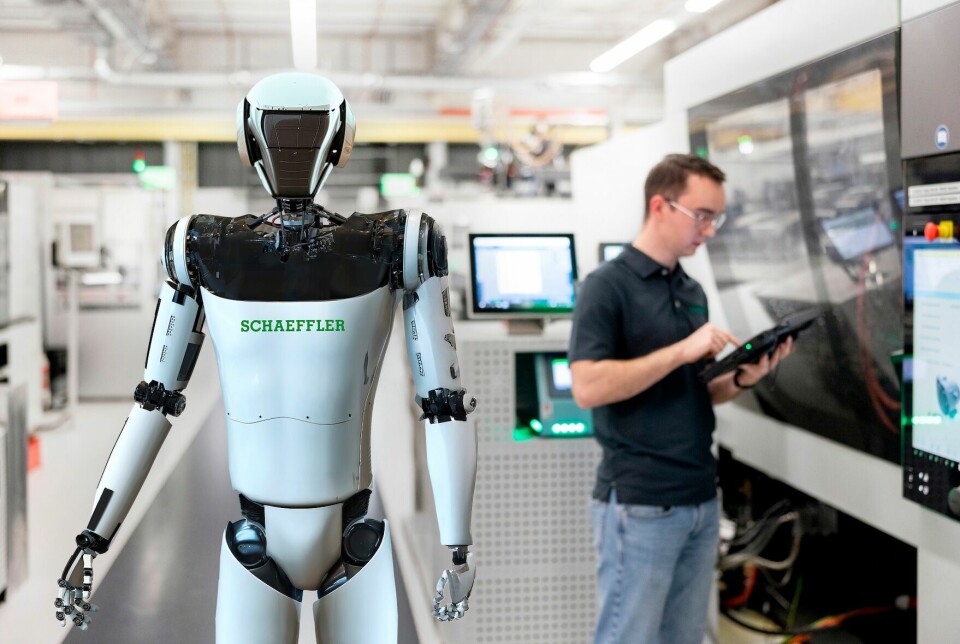
Schaeffler is
working on a new factory where it can use Nvidia Omniverse, a multi-GPU, real-time simulation and
collaboration platform, for new
product launches. However, he pointed to project required to bring the 80 older
factories onto the platform to access data and in doing so provide new
capabilities to existing plants by enriching data with context and making
decisions based on that information. Henkel said Schaeffler needs to optimise
existing brownfield plants and scale the capability of its manufacturing
network, showing in pilot factories what is possible and then bringing in
legacy facilities.
Digital
workbench
Tracey Countryman,
global supply chain and engineering lead at technology consultancy Accenture, pointed to the need for companies to consider the tools they
are using to put brownfield equipment in the cloud.
“What about the workbench? What are the tools my people are
going to use? What are the security and frameworks that are going to sit
underneath to govern AI and the guardrails that need to exist? she asked.
Countryman said that most sites were never intended to be
connected other than in their closed loop, level 2, manufacturing execution
system. That brings with it a whole new risk profile for cyber security and the
need for heightened IT governance.
According to
Countryman physical AI is going to be exponentially more impactful because it
enables companies to drive fundamental change in the physical world by
simulating operations first. She pointed to one Accenture client that has been
using digital twins in production for eight years and has connected 20,000
machines across 20 facilities, across nine countries. It now has the ability to
monitor, control and now simulate by adding in agentic in the latest releases.
“It is fundamentally changing how they think about their value chain and how
they drive optimisation, and ultimately agility and growth,” said Countryman.
“That is not something we would have seen in recent years but now with the
technology stack that is going to accelerate even more. That is the next wave
of growth around digital twin.”
“You can go anywhere from humanoid robotics to AI vision, to collecting operational data and predicting defects or downtime before it happens. This lends itself now to be all put in one ecosystem, in [Nvidia’s] Omniverse, Isaac Sim or Metropolis so we can really be able to integrate all of this work in one platform
Advertisement
Ecosystem for
EVs
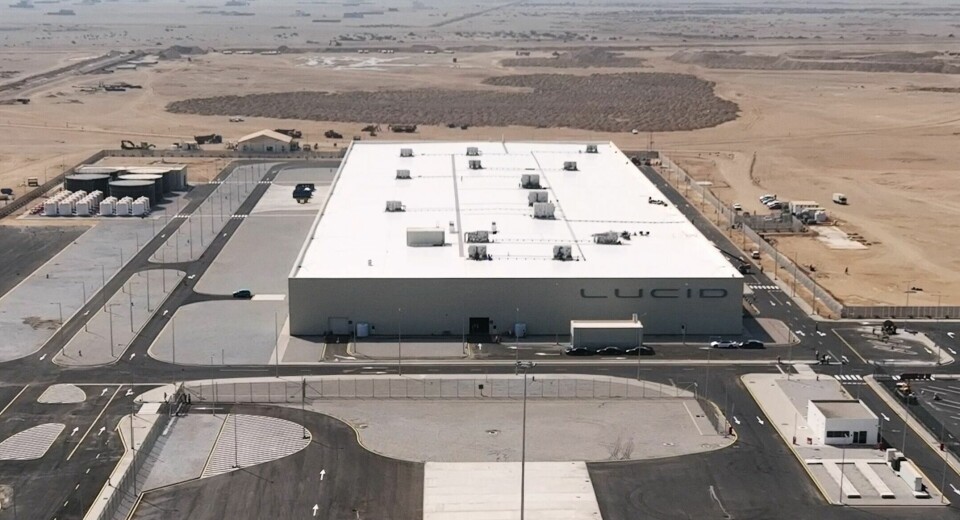
As a relatively new
electric vehicle maker, Lucid benefits from state-of-the-art manufacturing,
with one US car plant running in Casa Grande, Arizona and another in Saudi
Arabia in King Abdullah Economic City, which is now working up to full
production from kit assembly. It also has a powertrain plant in Newark,
California.
The Saudi facility
is equipped with the latest controls, equipment and technology, according to Jason Ryska, vice-president
of manufacturing engineering, Lucid Motors. Its powertrain operations are
automated with the latest technology and with “a ton of data transfer from
operation to operation”, said Ryska, but the carmaker now needs to bring
everything together on one platform.
“You can go anywhere from humanoid robotics to
AI vision, to collecting operational data and predicting defects or downtime
before it happens,” said Ryska. “This lends itself now to be all put in one
ecosystem, in [Nvidia’s] Omniverse, Isaac Sim or Metropolis so we can really be
able to integrate all of this work in one platform.”
Ryska stressed the need for a common data model format.
“Think about that across the enterprise and what you are trying to accomplish
and set that up first and the AI, analytics and the modelling become much
easier and much quicker,” he said.
Universal data
Hyundai’s Patel said the global standardisation of the data
generated from manufacturing and supply chain for AI applications was integral
to Hyundai’s Single Data Model. Beginning with manufacturing but then
extending to the downstream supply chain, Hyundai’s goal is to establish a
universal data standard that is understood globally by everybody in Hyundai’s
operations and those of its suppliers. With that it will be able scale the AI
applications based on the data. Without it, Patel said that proof of concepts
would only be irregular and piecemeal, with a return on investment hard to meet
down the road.
Those data models need to be built for each individual macro
process and that is a very important piece of work,” he said. “It is not only
at the level of the platform whereby we operate the agents but it starts at the
machine, the operational technology level, and needs to move all the way.”
Making that happen requires a huge culture shift in various
parts of the company, according to Patel, and he called it a double
transformation.
“We have to transform the way in which we are deploying the
solutions in the factories from purely looking at a manufacturing/engineering
standpoint to a process and data related standpoint,” he said.
Production operatives also need to be made aware of the data
and what it means. That explanation is critical in building intuition and trust
in the physical AI system built on it.
Trusting the tools
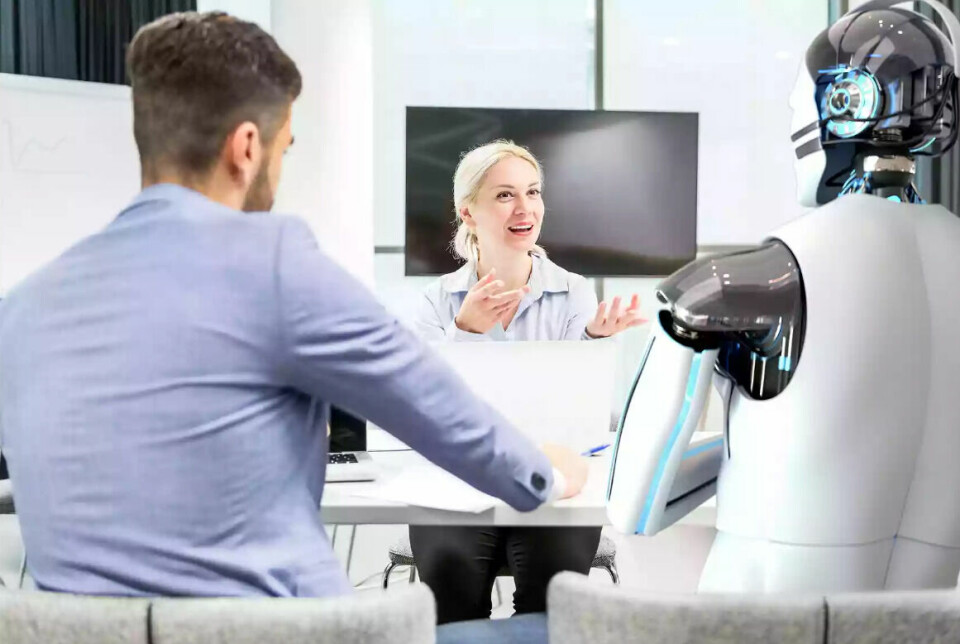
What is as important as making data coherent across the
supply chain and across manufacturing plant networks globally is the need for a
tech savvy workforce that trust the data and the tools they are increasingly
expected to work with. A new generation of college graduates that are
technically literate are pushing the automotive organisations they are jointing
to innovate with digital technology in a way that only the lonely scientist in
the room would have done previously. However, those companies need to rethink
how they make AI part of their operating fabric, according to Tracey
Countryman.
Companies need to fundamentally rethink the work process
from beginning to end, including who does it and how it gets done. That
includes simulating the planning and scheduling of production work at the
plants. Everyone working in automotive production will require some level of AI
and data fluency to leverage the models they are using but they also need to
understand the rationale behind using the technology.
“If I think about one of the hardest things in operations
and engineering it is understanding the rationale and the logic…[.] You have to
explain that and engineers need to understand what the decision is and trust
that the model is doing what it needs to do,” said Countryman.
Schaeffler’s Henkel also pointed to the importance of trust.
“The first reaction if you confront someone with an issue in the production
line that was made obvious by data is that the data is wrong,” he observed. “We
need to overcome this.”
To do so means making the way the data is delivered,
standardised and presented reasonable and valid for the user and in that way
build trust in the decisions made based on that data.
“This is why we have started a huge initiative of bringing
data quality and making it visible to top management. We have an activity that
everybody feels responsible for the data they are generating and providing
through all the technology we have for broader usage.”
A more trusting mindset goes hand in hand with reskilling
people because until AI is able to have jurisdiction on objects and processes,
people are going to be ones that actually have clarity to make decisions on the
job and set the guardrails for safety. AI agents and simulation tools will
model processes and provide intelligence on completing routine tasks but the
really complex tasks will still need intervention and control by the upskilled
worker. “That is why it is not about humans in the loop with AI, it is actually
humans in the lead,” said Countryman.
Ryska said that fluency in data analytics, AI tools and
methodology is increasing and more people are coming into vehicle manufacturing
that are able to deploy tools in their own work environment.
“We have the responsibility to new college graduates to set
up the environment where they can use that skillset and do things that are even
greater and beyond what we’re thinking about now.”
Search
RECENT PRESS RELEASES
Related Post