In 2023, Portugal ran on renewables for almost a week. Now, that just looks like a warm-up
January 21, 2026
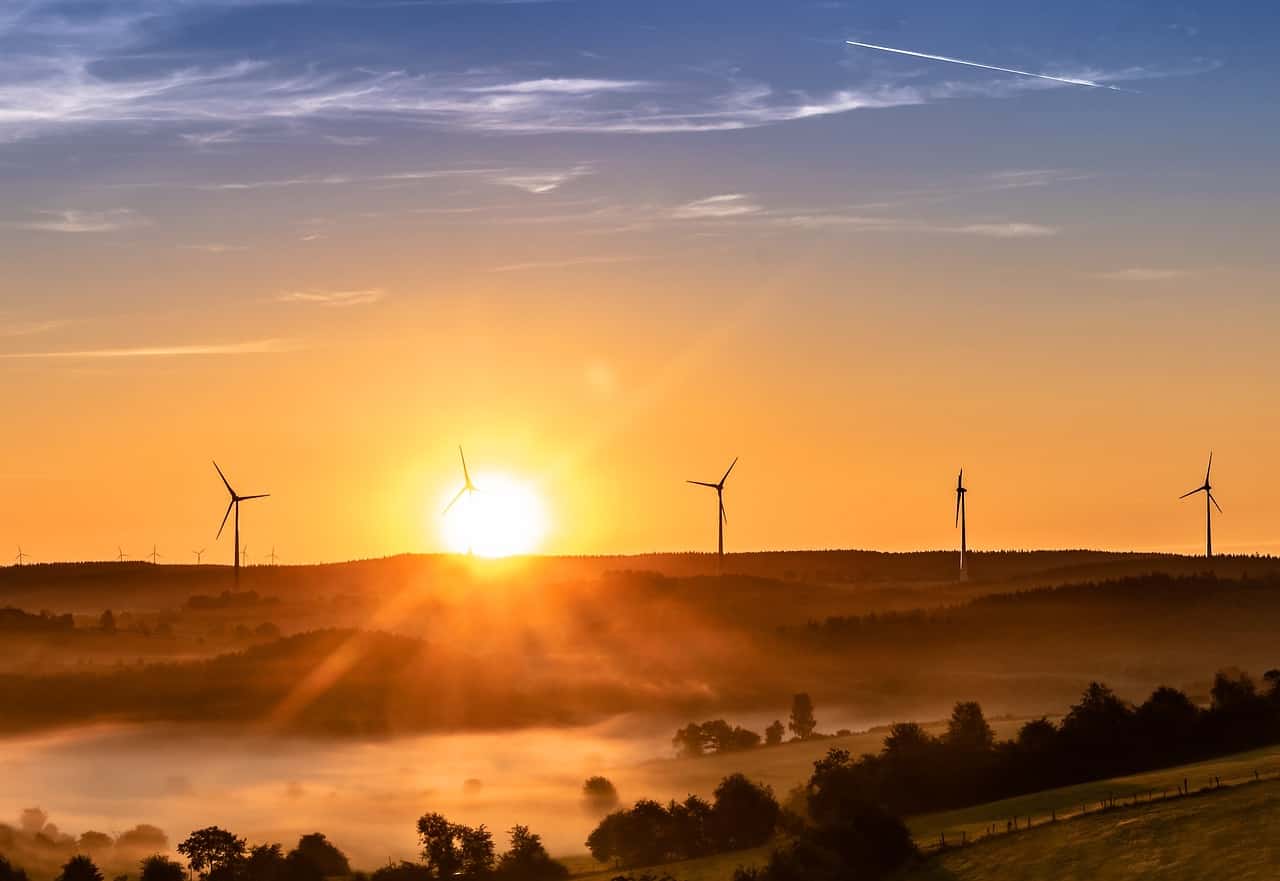
It’s been nearly five years now since Portugal decided to shut down its last coal plant after 30 years in service. The decision came eight years sooner than planned and showed that the country is aiming high as part of its transition to cleaner energy sources.
Back in 2023, Portugal made headlines by running on renewables for six straight days. At the time, it felt like reaching a finish line. Looking back from 2026, it looks more like a starting gun.
The historic run began between 4 am on October 31st and 9 am on November 6th, 2023. For 149 consecutive hours, energy from renewable sources (largely wind and solar) exceeded industrial and household consumption needs. During those six days, 1,102 GWh of power were generated, exceeding the national consumption for the same period by over 20%.
That week saw two major milestones. First, the grid operated without resorting to thermal power generation (fossil fuels) for 131 straight hours, tripling the previous record. Second, for 95 consecutive hours, renewable energy production exceeded consumption without the need for natural gas combined cycle plants. Portugal was able to export this electricity to Spain.
For Redes Energéticas Nacionais (REN), the operator of the national grid, those records were proof of concept.
“Portugal has been maintaining a sustainable trajectory,” REN said at the time. They were right—but perhaps even they didn’t predict how fast that trajectory would climb.
If the 2023 week was a sprint, the last two years are starting to look like a marathon; a very successful one. It looks like 2023 wasn’t an isolated exception but a sign of things to come.
By the end of 2024, renewables were supplying 71% of Portugal’s total electricity demand for the entire year—a massive leap from the 56% average recorded in early 2023.
The “six-day” record was quietly eclipsed in April 2024, when the grid ran on 95% renewable saturation for the entire month. The message to the rest of the world was clear: the grid didn’t crash, the lights stayed on, and the fossil fuel plants stayed cold. Portugal even made some money by selling the extra energy.
Wind and hydro power have been the heavy lifters, both producing around 30% of the country’s electricity. But solar is quickly starting to catch up. By the end of 2024, solar has surpassed gas as an electricity source, producing 15% of the country’s requirements.
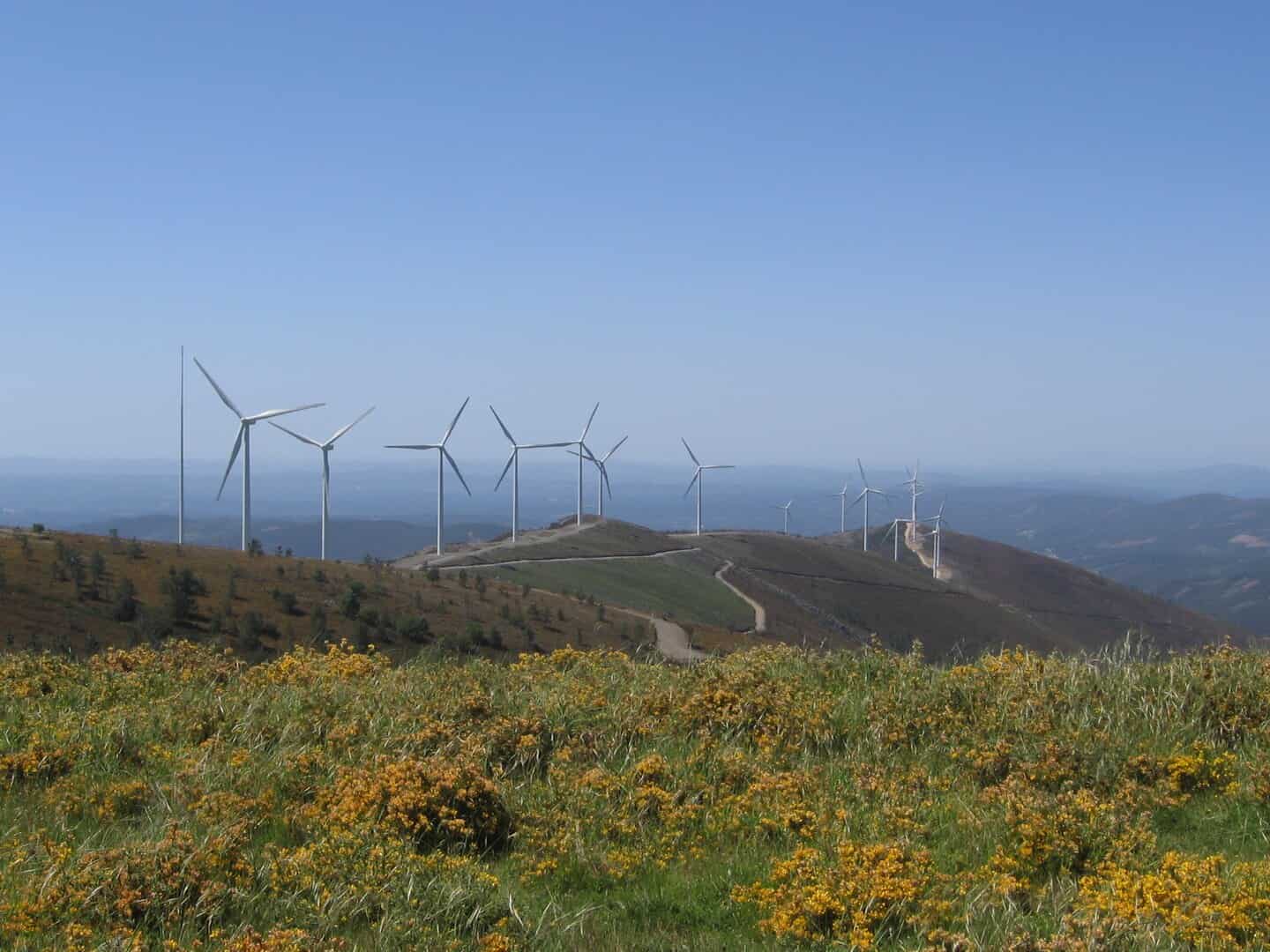
Portugal might not be the first country that comes to mind when you think of renewables, but their progress so far places them among the countries leading the charge. To sustain these new records, the country is looking to the deep ocean and its not-that-big mountains.
In mid-2025, the government formally launched the timeline for a massive 2 GW floating offshore wind auction. Unlike traditional turbines fixed to the shallow seabed, these floating giants can harvest the stronger, more consistent winds of the deep Atlantic.
In addition to accelerating the installation of solar power, the country is also beginning the approval process for the Minhéu project, a colossal 1.32 GW pumped-storage hydro plant. The purpose of this plant won’t be to generate energy, but rather to act as a battery.
It will be an unusual project; or at least, one that’s not too common yet. When solar and wind production peaks (like during the 2024 records), excess energy pumps water uphill. When the wind dies down, the water is released. This “silent partner” is what allows Portugal to turn a lucky week of weather into a year-round reality.
Portugal committed to an energy transition earlier than the rest of the European Union. In 2016, it pledged to reach net-zero carbon emissions by 2050, several years before the EU committed to that step as a group. The country is one of the handful EU member states (along with Belgium and Sweden) that said no to coal as an energy source.
Since January, renewables have satisfied 56% of Portugal’s energy needs. Wind accounted for 24% of that, followed by hydro (18%), solar (8%) and biomass (6%). The rest comes from fossil fuels, largely imported, which means the country still has work to do. The government hopes to address this by expanding solar and offshore wind energy production.
“Portugal is entering the next stage of its energy transition,” Matt Ewen, a data analyst at Ember, an independent energy think tank, said in a statement, after Portugal had broken another renewable energy record. Three years later, that stage is clearly taking shape. Wind power killed coal in 2021; now, solar and hydro storage are tightening the noose around natural gas.
This article was originally published in November 20, 2023, and has been edited with subsequent information.
Tags: portugalrenewable energy
Search
RECENT PRESS RELEASES
Related Post