In a year, foreign investors bought another 71,000 acres of Michigan agricultural land
February 1, 2026
An investment fund tied to Japan bought thousands of acres of Michigan forest two years ago, picking up parcels across seven Upper Peninsula counties.
The deal included nearly 42,000 acres in Marquette County, roughly 9,000 acres in Gogebic County and almost 6,000 acres in Ontonagon County, among others.
These tracts joined Michigan’s growing ledger of foreign-owned agricultural land, which includes forest land, cropland and pastures.
In a year, foreign buyers picked up roughly 71,000 acres of Michigan farmland, the latest federal data shows, putting Michigan among the top states for agricultural land owned by overseas investors.
Michigan ranks sixth for the number of acres and third for the percentage of agricultural land held by foreign entities.
The acreage ticked up – going from 8.5% to 8.8% of the state’s agricultural land – despite a growing push from lawmakers to restrict foreign buyers from scooping up land throughout the country.
Even so, this remains a fraction of Michigan’s farming acreage.
“When it comes to foreign ownership, the thing to keep in mind is that we’re talking about a very small share of privately held agricultural land that is owned by foreign entities,” said David Ortega, an economics professor from Michigan State University.
Foreign buyers focus on Michigan forests
Foreign investors – anyone who’s not a citizen, not a legal immigrant or U.S. entities that have a “significant foreign interest” – are required to report their land purchases to the U.S. Department of Agriculture, USDA, every year.
The latest foreign agriculture land report, which provides data through 2024, was released in mid-January.
It shows that foreign investors increased their holdings of property, now owning nearly 46 million acres of farmland throughout the country. This accounts for 3.6% of all agricultural acres and 2% of all land in the United States.
In Michigan, foreign owners now hold 1,893,774 acres, or nearly 3,000 square miles, which is 5% of the entire state and 8.8% of the agricultural land. This is more than double the acreage reported a decade ago.
About 90% of these holdings are forestland. The bulk of it is scattered throughout the Upper Peninsula, with Keweenaw County topping the list at 373,274 forest acres, followed by Gogebic County with 235,556 acres and Ontonagon County with 212,123 acres.
It’s largely foreign timber investment firms who own farmland in Michigan, the data shows, but it can be tricky to trace who, exactly, are the entities behind these acres.
Among the largest foreign land holders are Verdant Timber and Sage Timber, two limited liability companies, LLCs, whose complex ownership structure was traced by Bridge Michigan back to the government of Singapore’s wealth fund.
Because of those holdings, Bridge’s reporting found Singapore now owns roughly 5% of the Upper Peninsula land.
“There’s a lack of transparency in terms of true ownership because some of the companies there might be multiple layers of ownership before you actually get to who really owns this particular parcel of land,” Ortega said. “There might be shell companies and those types of things.”
What countries?
In Michigan, Singapore is the top country, tied to more than 540,000 acres of agricultural land. That’s largely because Verdant Timber and Sage Timber acquired large swaths of forestland in 2022.
Behind that are entities from the Netherlands and Canada, which own 458,480 and 358,488 acres of agricultural land respectively.
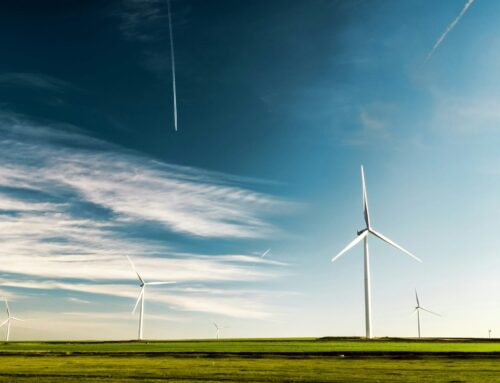
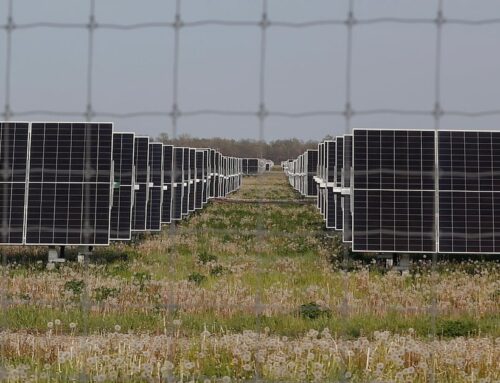
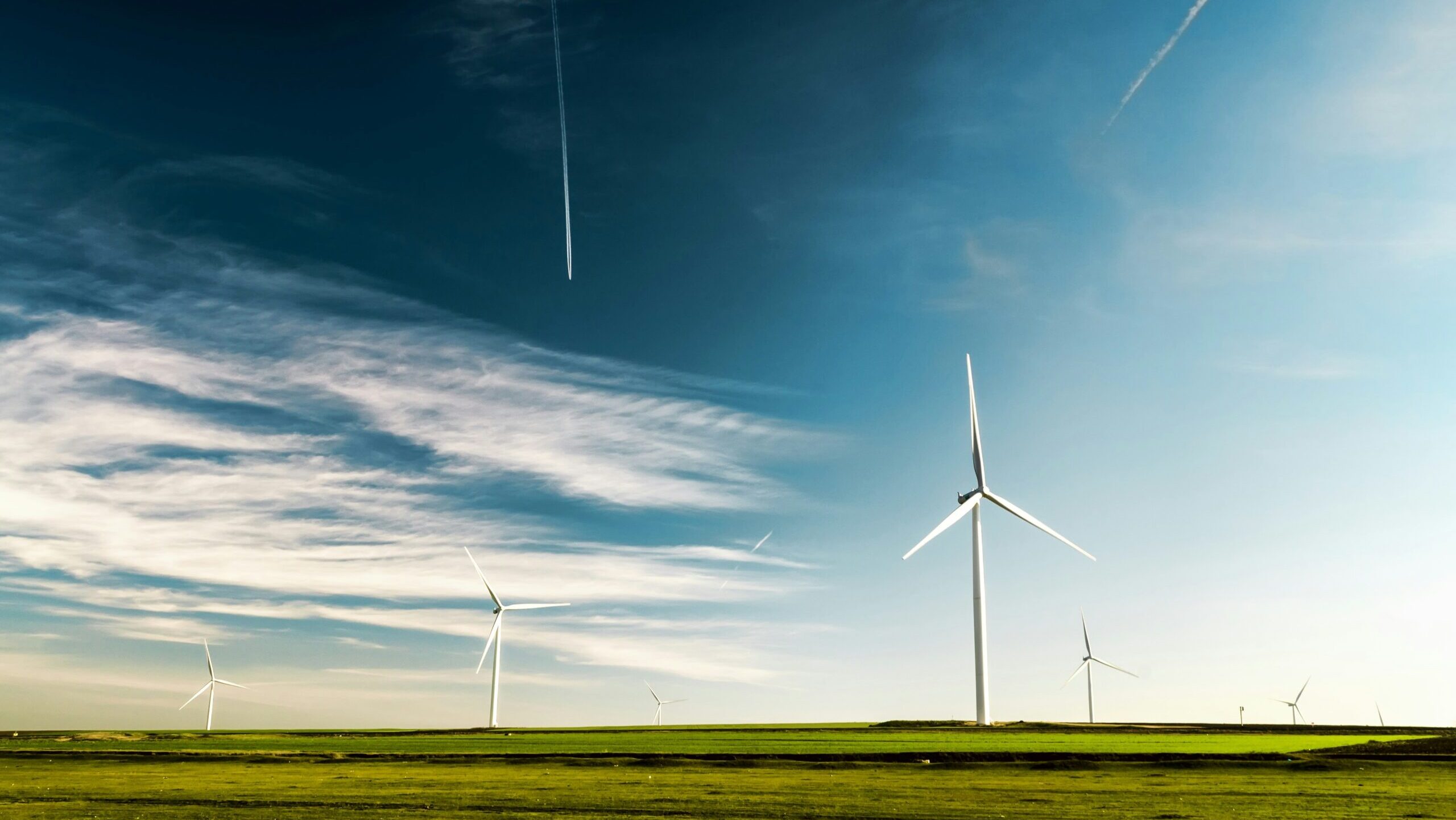
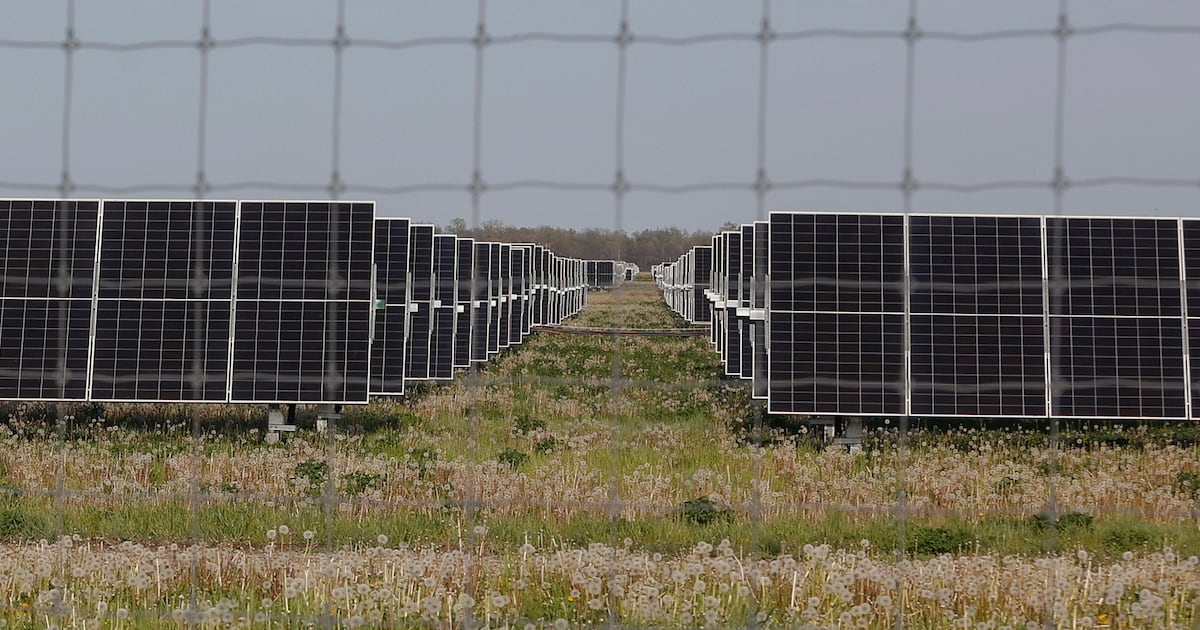
Renewable energy has also driven U.S. land acquisitions in recent years, according to research from Cornell University. Most of the land leased by foreign entities is being used for wind and solar projects, while whole ownership is largely focused on timber production.
In Michigan, Apple Blossom Wind LLC, a Canadian company, purchased nearly 10,000 acres of cropland two years ago for a wind power project in Huron County. And wind firms from Italy have also bought land in Gratiot, Shiawassee and St. Clair counties in recent years.
The latest USDA report shows that two LLCs linked to private Japanese entities accounted for the biggest foreign agricultural land purchases in 2024.
The companies, MFCF Siscowet LLC and MFCF TRS LLC, bought 67,000 acres of forest across the Upper Peninsula.
These appear to be tied to Manulife, a timberland investment manager, that operates the Manulife Forest Climate Fund. The fund was launched two years ago with a goal to “promote climate change mitigation” by investing in forestry to limit timber production.
The Manulife Forest Climate Fund announced early last year it acquired property in the Upper Peninsula called Siscowet. The land had been held by the seller for over 100 years, a news release said, primarily used for timber production.
The fund also acquired land called Eagle Cap in southeastern Washington and northern Oregon and timberland throughout Mississippi, Louisiana, and Arkansas.
These acquisitions show that investors view “forests as a top natural climate solution,” said Eric Cooperstrom from Manulife Investment Management, in a January 2025 statement about the fund.
It’s not just foreign buyers who have eyed Upper Peninsula forests, but land sales also raise questions about public access. In 2022, the Nature Conservancy purchased 32,000 acres in the Keweenaw Heartlands from a New York-based investment firm with a goal to protect the land from being parceled up for development.
Ortega says most of the foreign investors are private companies, not governments, that see the value in agricultural real estate. In Michigan, farmland values have jumped by 34% in the past five years going from an average of $5,040 an acre to $6,800.
“It’s got steady returns. It’s less risky than other investments,” he said. “And on our side, a lot of this ownership and investment leads to economic activity, taxes and inflows of resources to the state.”
Growing backlash to foreign farmland ownership
Ortega says most of the farmland is being held by companies from countries that are “friendly” with the United States.
Despite that, foreign ownership of agricultural land has become a political flashpoint.
The USDA said in its report there’s been “considerable interest in Chinese, Iranian, North Korean and Russian investor holdings” of agricultural land even though they account for just a sliver of all holdings throughout the country.
Chinese investors own 1% of the foreign-held U.S. agricultural acres, and there have been no filings from the government of China. Iranian investors reported owning 547 acres, Russian investors reported 11 acres and North Korea reported zero.
In Michigan, there have been no filings associated with China.
There’s been heightened attention on this, according to Ortega, because foreign ownership of agricultural land has been framed as a threat to national and food security. Concerns grew after there were some high-profile acquisitions by Chinese investors near military bases in other states in recent years.
Because of that, there’s been a Republican push in statehouses throughout the country to restrict “foreign adversaries” from purchasing farmland.
More than 20 states have passed bills that put some guardrails on foreign ownership of agricultural land, according to research from Ortega, who also testified before the U.S. Senate, and Lin Lin, a lead author of the study. A federal bill was also introduced last year that also aims to limit foreign buyers of farmland. And the USDA rolled out a “national farm security action plan” last year.
Despite those efforts, the laws have varied in scope.
Oklahoma, for example, banned certain countries from buying farmland, largely over fears about China. But the law reportedly carved out exceptions for Smithfield Foods, a Chinese-owned company, allowing it to keep raising hogs on its farmland.
Meanwhile, Arkansas reportedly ordered Syngenta, a seed and chemical company owned by China, to sell 160 acres of farmland. The company also faced a $280,000 fine for failing to report its foreign ownership.
In Michigan, the state House passed a bill package introduced last year that would block “foreign countries of concern,” like China, Russia, Iran and others, from owning Michigan farmland. It would also require any foreign-owned land to be registered with the state.
State Rep. Gina Johnsen, R-Portland, who introduced one of the bills, said allowing “our enemies to scoop up our farmland” creates national security risks.
“By purchasing Michigan farmland, these bad actors want to steal away our symbol for food security, generations of farming traditions, and American self-reliance. But this isn’t just about property – it’s about power,” she said in a statement last year.
Another bill, HB 4234, would prohibit certain countries from purchasing farmland within 20 miles of a military base.
Both bills passed the state House but have not been taken up by the Senate yet.
But Ortega pushes back on the claim that foreign ownership threatens food production – underscoring the point that it only accounts for a fraction of all agricultural land.
“That just doesn’t really hold up because we produce more than enough food in the U.S. to just feed ourselves, but feed other parts of the world,” he said. “And we’re talking about a very, very small share of agricultural land that’s owned by foreigners that’s actually used for production.”
Search
RECENT PRESS RELEASES
Related Post