In focus: EU energy security explained
April 20, 2026
Recent disruptions to energy flows through the Strait of Hormuz have prompted fresh and understandable energy security concerns among citizens and business across the EU and beyond.
Energy security is about ensuring sufficient supplies to meet our needs, even during the most challenging of times. It’s about protecting people’s wellbeing and is a basic building block of the functioning of our economy and society.
Understanding the basic principles of energy security and the systems in place to protect it can be reassuring at a time when it continues to dominate the headlines in the EU and globally.
Ready to get to grips with the EU’s energy security policy? Let’s go.
The EU’s energy at a glance
In 2024, the EU’s energy mix, meaning the range of energy sources available, included crude oil and petroleum products (38%), natural gas (21%), renewable energy (20%), nuclear energy (12%) and solid fuels (10%).
The EU produced 43% of its own energy, while 57% was imported.
Almost half of the energy produced in the EU in 2024 came from renewable sources (48%). This was followed by nuclear (28%), solid fuels (15%), natural gas (5%) and crude oil (3%).
Meanwhile, our energy imports are dominated by fossil fuels. In 2024, petroleum products (including crude oil) accounted for 67% of EU energy imports, followed by natural gas (24%), solid fossil fuels (4%), electricity (3%) and renewable energy (2%).

Source: Eurostat: Energy in Europe 2026 edition
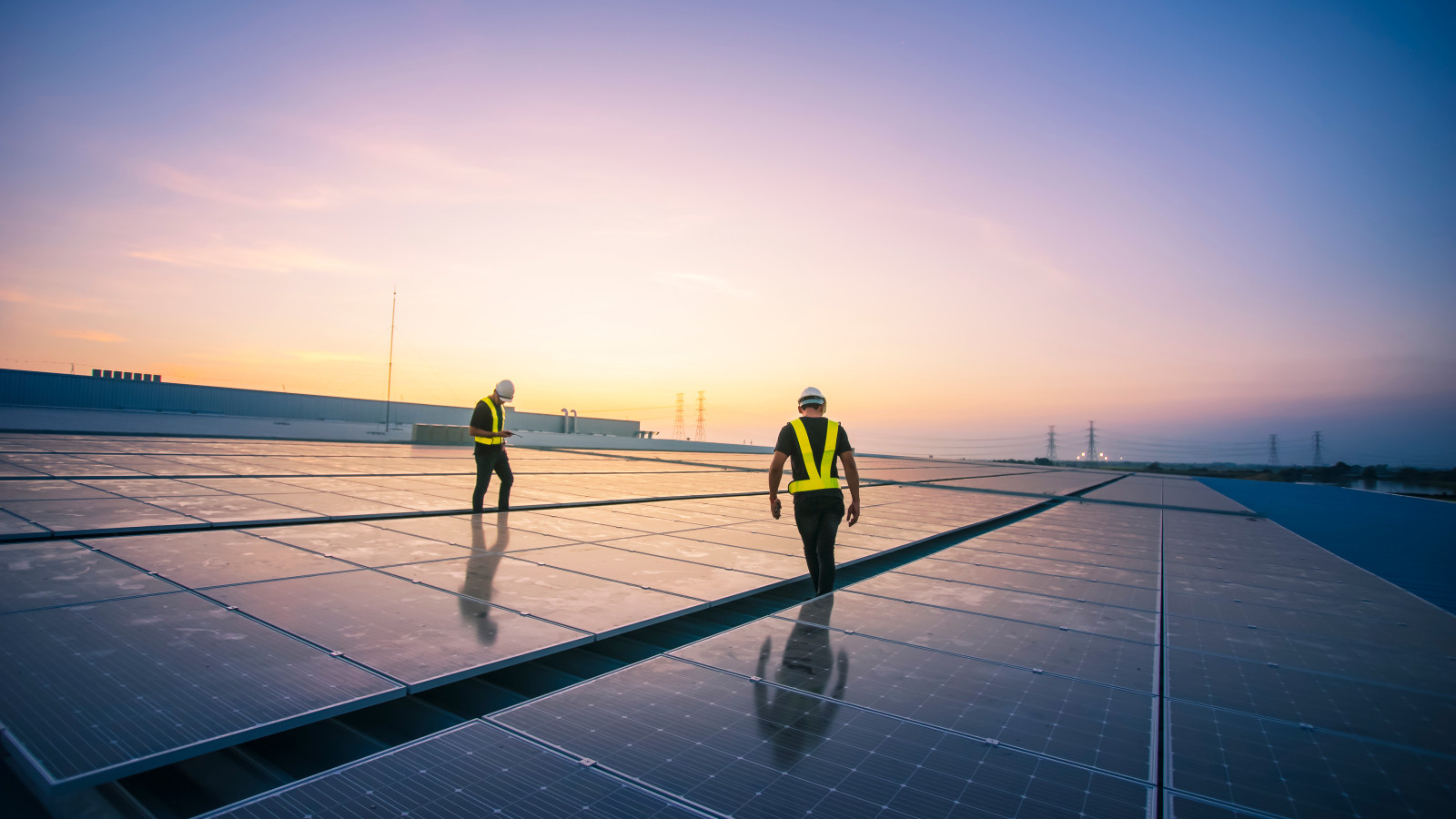
Renewable energy is not only a cheaper and more sustainable alternative to fossil fuels, it also strengthens our energy security, making us less dependent on expensive energy imports. This is why we are transitioning away from fossil fuels towards homegrown renewable and low-carbon energy, transforming Europe into a more electrified, cleaner and resilient continent.
The impact of greater energy efficiency on our energy security should not be underestimated. Without efficiency improvements over the past 20 years, energy use in the EU would be 27% higher today. Enhancing the efficiency of our energy consumption is therefore a top priority for the EU when it comes to sustainable and long-term energy security solutions.
What are the threats to our energy security?
Any economy that relies on fossil fuel imports is vulnerable to external factors affecting security of supply. We experienced this first hand during the oil shocks of the 1970s and in 2022 when Russia attempted to exploit our over-reliance on its energy exports to exert pressure in the context of its illegal invasion of Ukraine.
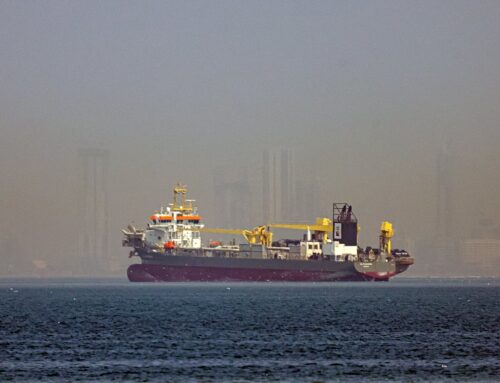
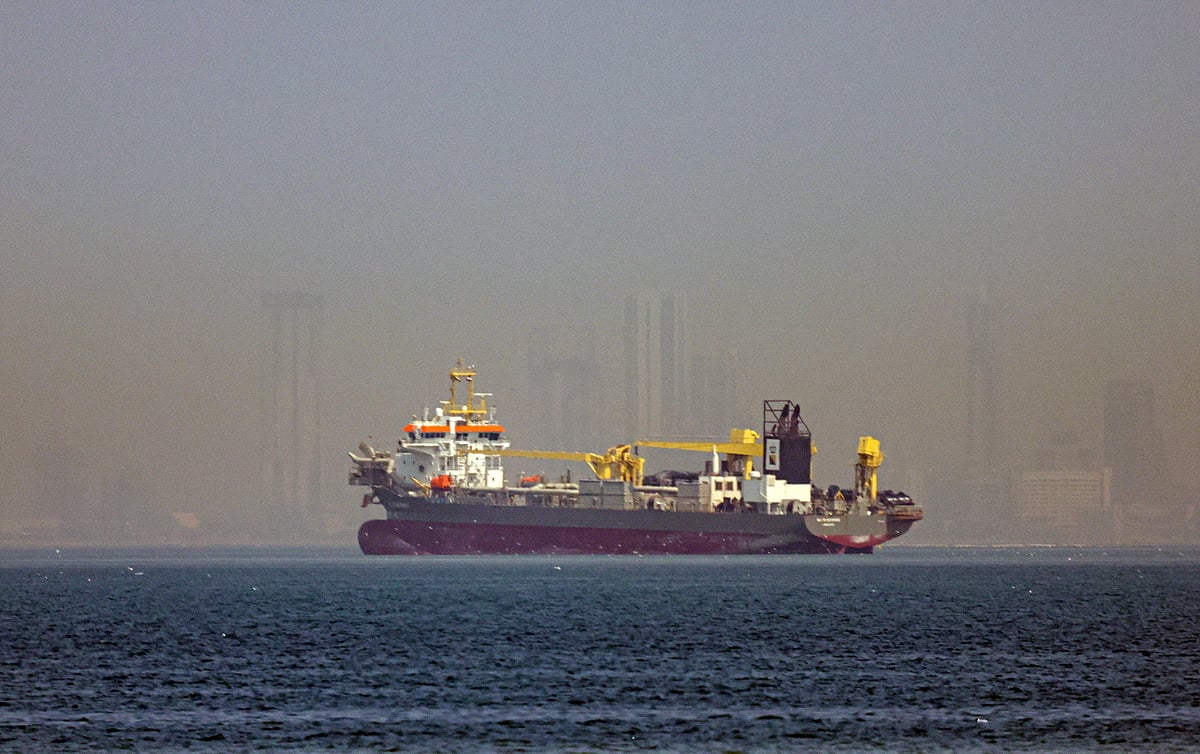
The disruption of energy flows through the Strait of Hormuz is another and very recent example of how geopolitical factors can influence energy security. Thanks to our relatively low dependency on the region for energy imports, and the EU’s robust preparedness measures, EU countries and the European Commission have confirmed no immediate security of oil or gas supply concerns at this stage.
The EU is also preparing for new risks. This includes protecting Europe’s energy infrastructure from cyberattacks and physical threats and securing the supply of critical raw materials – such as lithium, nickel and rare earths – which are vital for clean technologies like batteries, wind turbines and electric vehicles.
At the same time, climate change is increasing the amount of extreme weather events, such as severe storms, wildfires and droughts. These are increasingly significant risks to the EU’s energy security because they can damage energy infrastructure, like electricity cables, reduce energy production, for example due to low hydropower reservoirs during droughts and increase energy consumption, thanks to increased air conditioning needs during heat waves, for example.
Securing our energy imports
While the EU continues to produce more homegrown clean energy, in addition to making energy efficiency gains, oil and gas imports will continue to play a key role for some years to come.
It’s therefore vital for the EU to ensure security of supply of these imports in the here and now. This is constantly monitored at both EU and national level and the EU has a robust framework in place.
How does the EU prevent and prepare for energy crises?
When it comes to oil, gas and electricity, the EU energy security policy ranges from prevention and preparedness – making a crisis as unlikely as possible while preparing for the possibility – to action and solidarity – coordinating and managing a crisis and mitigating its impact.
Today, thanks to the collective efforts of the EU and EU countries, the EU’s security of supply is more resilient than during Russia’s weaponisation of energy supplies in 2022. A range of energy security measures have been taken since, complementing the pre-existing and extensive energy security framework. With these measures, we are even more prepared to withstand energy crises when they emerge.
Diversifying energy supplies is key. The EU’s oil and gas supplies should come from as broad a range of suppliers and supply routes as possible so that any disruptions that arise are minimised. One way to diversify oil and gas imports is by importing from a wide range of trustworthy partners.
Liquified natural gas (LNG) is also key to diversifying gas imports. LNG is natural gas converted into liquid form, so that it can be transported by ship. As it doesn’t rely on pipelines to reach Europe, it allows the EU to import gas from countries which it otherwise couldn’t.
The EU is eliminating, in a phased and coordinated manner, all fossil fuel imports from Russia, under the REPowerEU roadmap. The share of Russian gas in total EU gas imports decreased dramatically from 45% in 2021 to 12% in 2025. In 2025, the EU imported 31% of its gas from Norway, 26% from the U.S., 13% from North Africa, and 4% each from Azerbaijan and Qatar. The share of LNG in total EU gas imports increased from 20% in 2021 to 45% in 2025.
Storing sufficient stocks of oil and gas is another very important preparedness measure.
To ensure adequate oil stocks, EU countries must maintain emergency stocks of crude oil and/or petroleum products equal to at least 90 days of net imports. The largest ever coordinated oil stock release of over 400 million barrels by International Energy Agency members in March 2026, shows how important oil stocks are in the event of supply disruptions. EU countries committed approximately 20% to this release.
The EU also has significant gas storage capacities – up to 35% of the gas we consume in winter comes from storage. Since Russia’s full-scale invasion of Ukraine, the EU has reinforced its gas storage rules to have adequate levels of gas storage filling, while keeping a flexible approach.
By expanding electrification, the EU reduces the dependency on fossil fuels and raises the uptake of more homegrown renewable energy generation, strengthening the energy system. Electrification also supports more efficient energy use, with technologies such as electric vehicles, heat pumps and some industrial process technologies available and already cost competitive. EU countries’ risk preparedness plans for electricity aim at preventing, preparing for and managing electricity crises of different origins. These measures improve our ability to keep the lights on during difficult situations.
Electricity and gas systems are closely linked and protecting one helps protect the other. Gas is needed to produce electricity, especially during peak hours, while the gas system needs electricity to keep functioning.
Given the current geopolitical landscape, in March 2026, the Commission called on EU countries to already start the gas filling season and preparations in a coordinated manner ahead of winter 2026-2027.
EU energy crisis response – solidarity is key
A well-interconnected energy network helps ensure the fundamentals of energy security, allowing energy to flow where it is needed at the right time. Cross-border connections allow for EU countries to act in solidarity with each other, especially in case of an energy supply crisis.
Coordinated action and cooperation between EU countries is essential to ensure that no action in one country negatively impacts its neighbours, and EU rules guarantee this. In March 2026, to support oil security of supply, the Commission called on EU countries to ensure good coordination, as well as to consider the promotion of voluntary fuel-saving measures, with particular attention to the transport sector.
EU energy security policy guarantees that all households and essential services are protected in case of crisis. For this reason, the gas security of supply framework designates households and essential social services like hospitals as protected customers. These customer categories in turn receive special protection, to avoid that they are disconnected during an energy crisis. For electricity, EU countries can protect users against disconnection if personal security or public safety are at risk.
Even during the worst of times, EU countries are required to help each other out and offer solidarity. This means that EU countries will send gas or electricity to a neighbouring EU country in need. Such solidarity offers are meant to protect either the electricity system, or households and essential social services.
Looking ahead
To address new energy security challenges, the Commission is working on a revision of the existing security of supply framework this year – stay tuned for updates!
Related links
Search
RECENT PRESS RELEASES
Related Post