In the UK, EVs are cheaper than petrol cars, thanks to Chinese competition
April 18, 2026
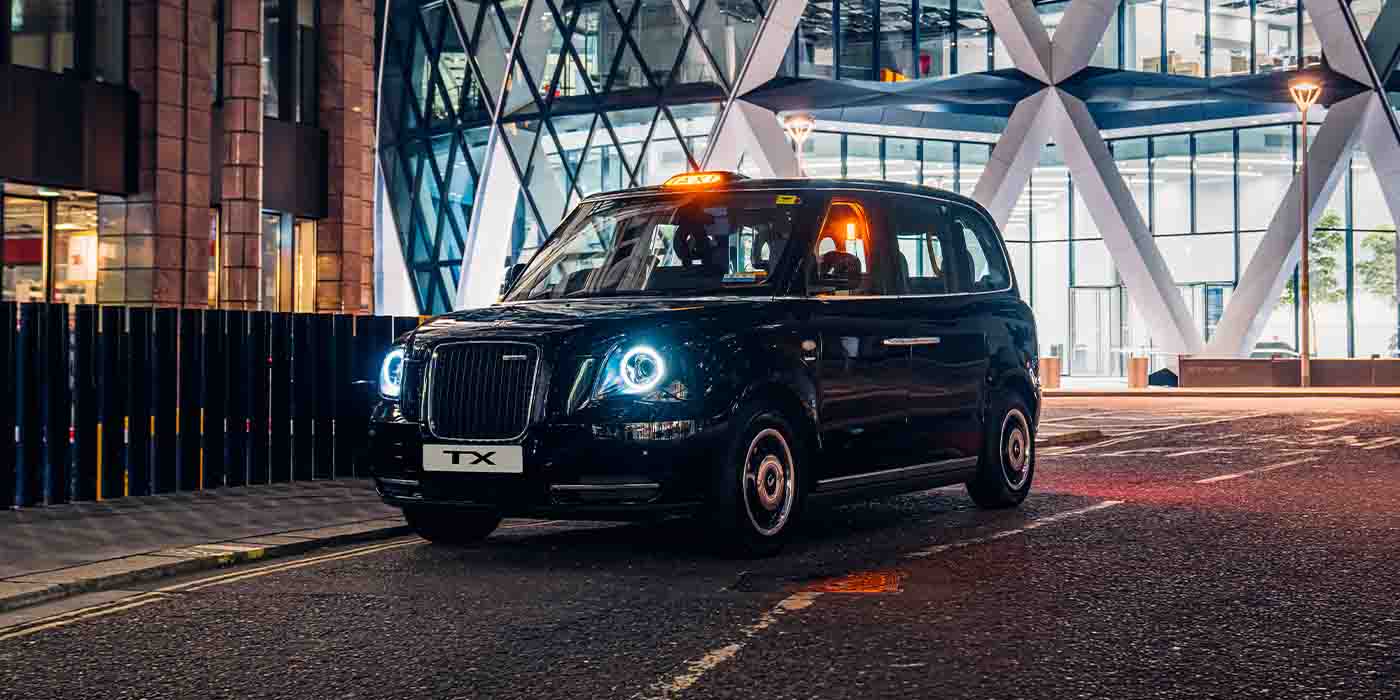
It’s long been cheaper to own an electric car, due to lower fueling costs. But the upfront cost is now lower, according to UK’s largest auto-buying website Autotrader, and reported by The Guardian. And a large part of it is because of the availability of low-cost Chinese EVs, which are unavailable or subject to tariffs in many other countries.
Data from the UK’s largest auto-buying website Autotrader now says that the average EV costs £785 ($1,063) less than the average petrol-powered car, meaning that EVs result in both long-term savings from cheaper fuel and upfront savings from a lower purchase price (and, of course, the societal savings of less pollution).
The Guardian says the average new petrol car listed on Autotrader is £43,405, while the average electric car is £42,620, including discounts and taxes. Automakers have put high discounts on EVs lately in an attempt to meet decarbonization targets or face high penalties for polluting too much.
Another reason for the difference is an electric car grant implemented in the UK last year, giving buyers up to £3,750 off of an EV. The grant is limited by sticker price, which has influenced buyers to move towards lower-priced vehicles.
Advertisement – scroll for more content
But one important point here is that plenty of lower-priced EVs are available in the UK, because the country does not ban the import of Chinese electric cars, nor does it even have a special tariff for EVs of Chinese origin, unlike both the US and the EU (though the EU might come to a deal with China soon).
The EU does allow Chinese-built EVs, but prices in Europe are higher due to tariffs. With no trade tariffs on Chinese EVs in the UK, they can cost upwards of ten thousand dollars/pounds less than they would across the channel.
And the presence of lower-cost alternatives can force non-Chinese brands to have to compete, rather than sitting on their laurels and gathering profits from expensive land yachts as the competition’s prices are inflated by tariffs. This is why the UK is getting Honda’s super cool Super-N, and the US isn’t. Or Volvo’s EX30, which was recently cancelled in the US, along with plenty of other models.
A quick search on Autotrader shows several brand new EVs available in the ~£15k (~$20k) range, from both Chinese and European brands.
The news of cheaper EVs bodes well for UK’s decarbonization targets, including a recently-weakened 2035 all-EV target. UK EV sales already surged at the end of last year, meeting the country’s end-of-2026 target a year early – that was due to an end-of-year spike, but it looks like the UK is roughly on target to meet its 2026 targets, if sales continue to rise through this year.
And while the news today is about upfront price, the question of running costs has become all the more important lately as global energy prices have spiked due to the incredible stupidity of the US war in Iran. This has led to increased interest in EVs in many parts of the world, including the UK, where petrol prices average over €2.20/liter (~$11.27/gallon) currently.
Australia, another country that doesn’t put tariffs on Chinese EVs and has seen significant concern over energy cost spikes, has seen its own huge surge in EV sales lately, with focus on affordable Chinese mdoels.
I’ve long thought that the EV cost parity conversation was silly, and have asserted for a long time now that if you compare the full picture of the costs and benefits of a new EV, that EVs end up competitive or cheaper than vehicles of a similar level of quality.
Of course, part of the conversation is that I (and basically anyone who has driven an EV) consider EVs to be better than gas cars in so many ways, and I think that should be considered as part of the “quality” of the product in question.
Consumers accept that they can pay more for a better product, so when you compare a Model 3 to an ICE BMW 3 series, and they’re similar in price, but the Model 3 offers better technology and drive characteristics, then on balance you’re getting a better deal with the Model 3.
And then, of course, there’s the issue of running costs, which have long been lower with EVs, due to cheaper electricity and maintenance costs compared to complex, inefficient gas engines.
But now we don’t even have to have any of those conversations about running costs anymore, because the EV is just cheaper. At least in the UK.
The timing of this story is particularly interesting to me because this week we heard from multiple auto CEOs about the supposed existential threat to the auto industry from Chinese competition.
It led Ford CEO Jim Farley to state that Chinese EVs would destroy the “heart and soul” of the US if the US were forced to compete with a country that has taken EVs seriously. He said this after lobbying to roll back emissions targets in both the US and Europe and retreating on EV programs.
His proposed solution? Don’t (ever?) let Chinese autos into the US, the supposed bastion of free market competition, the country that claims unfettered capitalism will breed innovation and that those dirty communists in China can do nothing but steal and make low-quality goods.
Meanwhile, the average car price in the US has reached historic highs, and while EV prices are coming down a little, they’re still thousands of dollars more expensive on average upfront than gas (though still cheaper in lifetime costs).
The UK shows us that it doesn’t have to be that way – the simpler and better vehicle can be cheaper upfront, cheaper to fuel, and easier on the environment, a win-win-win.
But, if all of us have to pay thousands of dollars extra for our cars, and to fuel our cars, and for our health bills from the pollution they cause, and for the trillion-dollar military misadventures that do nothing positive except spike our energy costs, I guess that’s just the price we have to to pay to support an industry which has repeatedly lobbied against our interests, up to and including this very week.
Charge your electric vehicle at home using rooftop solar panels. Find a reliable and competitively priced solar installer near you on EnergySage, for free. They have pre-vetted installers competing for your business, ensuring high-quality solutions and 20-30% savings. It’s free, with no sales calls until you choose an installer. Compare personalized solar quotes online and receive guidance from unbiased Energy Advisers. Get started here. – ad*


Search
RECENT PRESS RELEASES
Related Post