India Ups Energy Clout With Renewables Surge And 40-Plus Oil Suppliers
January 23, 2026
One of the world’s largest energy consumers – India – is upping its clout in the sector by creating multibillion dollar opportunities in both traditional as well as renewable segments to ensure its security of supply.
The country’s oil demand is projected to rise to 5.99 million bpd in this year, thereby posting an annualized growth rate of just over 4%, according to the Organization of Petroleum Exporting Countries.
Even though India ranks third behind the U.S. and China in terms of absolute consumption, such a demand growth rate projection is expected to outpace China’s projected growth rate of 1.25% for 2026.
Given that India imports nearly 85% to 90% of its consumed crude in any given year, the country’s importance to the global market cannot be understated. In fact, in a climate of relatively lower oil prices, Delhi’s clout is growing bigger by the day.
A Growing Pool Of Suppliers
This is demonstrated by the largely successful efforts of the country’s international diplomat turned minister of petroleum and natural gas Hardeep Singh Puri, who has grown the pool of international oil exporters India can turn to from 27 in 2024 to over 40 as of January.
For these 40-plus partners, India presents a solid opportunity. It is why every crude oil exporter of global standing from Canada to the United Arab Emirates wants to sell to India. The market can expect this trend to continue, according to Moody’s Investors Service.
The ratings agency recently noted that while China – a nation the global crude market has relied upon for decades – will see its crude demand peak within the next three to five years, India, now the world’s most populous country, is set to become the world’s leading driver of growth in the oil market.
And going by the International Energy Agency’s latest projections, India could account for nearly half of all new oil demand by 2035, growing at a 3% annual rate through to 2035. On current projections, that would be the fastest in the world.
The country’s liquefied natural gas market is also growing at a fast pace. In the decade to 2023, LNG imports rose by 70% catapulting it to the position of the world’s fourth-largest importer.
However, last year saw a correction after India bought around 16 million tons of LNG in the eight months through to August, a decline of 10%. But this was largely attributed to buyers holding out for better prices that may yet follow and the overall market remains resilient.
Beyond Hydrocarbons?
The industry’s movers, shakers and heavy-hitters are all expected to be in attendance at the country’s flagship sector event India Energy Week from January 27 to 30 in Goa.
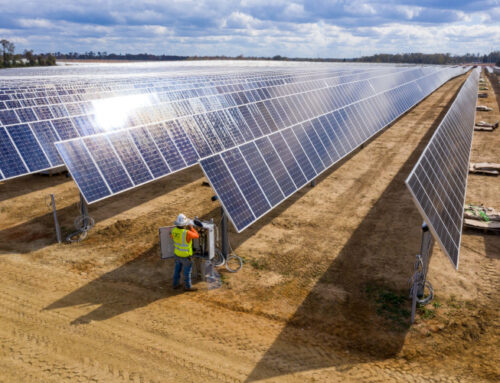
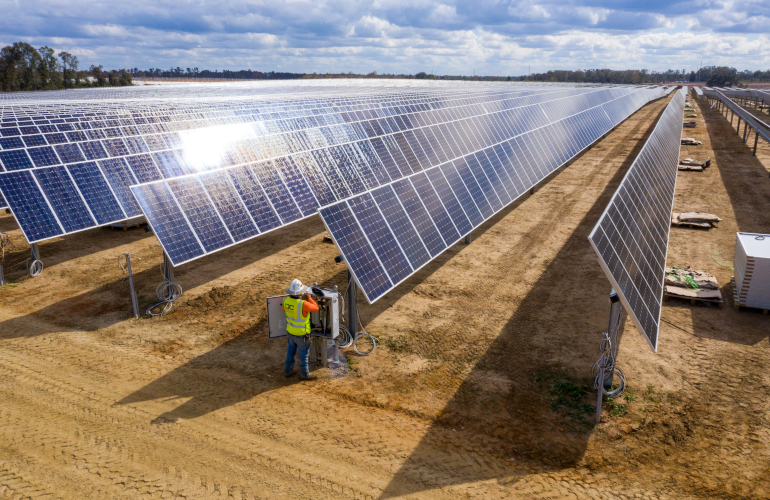
While core plays in traditional energy will be part of the dialog and deal-making at the event, the exponential growth of India’s renewable energy sector is making waves of its own throwing up multiple business opportunities in a market that is already around $80 billion and growing.
In a bid to reduce its dependence on hydrocarbons, India has made considerable progress in the last 12 years. It is now the world’s fourth-largest renewable energy producer, behind only the U.S. and China, and catching up fast with third-placed Brazil.
The data speaks for itself. For nearly 50% of India’s installed power generation capacity is from renewable sources, mainly wind and solar power. At the end of December 2025, its “non-fossil power installed capacity” stood at 266.78 gigawatt, a growth of 23% year-over-year.
The progress till date indicates that India’s target 500 GW of installed renewable energy capacity by 2030 will likely be met. So, whether we’re talking traditional or renewable energy, current trends and projections suggest things can only get bigger.
Search
RECENT PRESS RELEASES
Related Post