Inside spogomi, the growing competitive sport of picking up trash
January 24, 2026
“I wasn’t someone who had previously picked up litter or knew much about the environment or climate, but that has changed now through spogomi, which is amazing,” she adds.
Spogomi teams are typically given 45 minutes to collect trash in a designated area, followed by 15 minutes to rush back to base to avoid facing penalties for tardiness. Running is not allowed, and team members must remain within 32 feet of each other at all times. The rules prohibit entering private property, picking up hazardous items like broken bottles, or collecting trash that has already been thrown away. At major events like the World Cup, observing referees are assigned to teams to ensure compliance with the rules.
Once the trash is returned, each team has 20 minutes to sort their collected trash into the correct bins. Winners are decided based on trash weight and high-value items, such as cigarette butts.
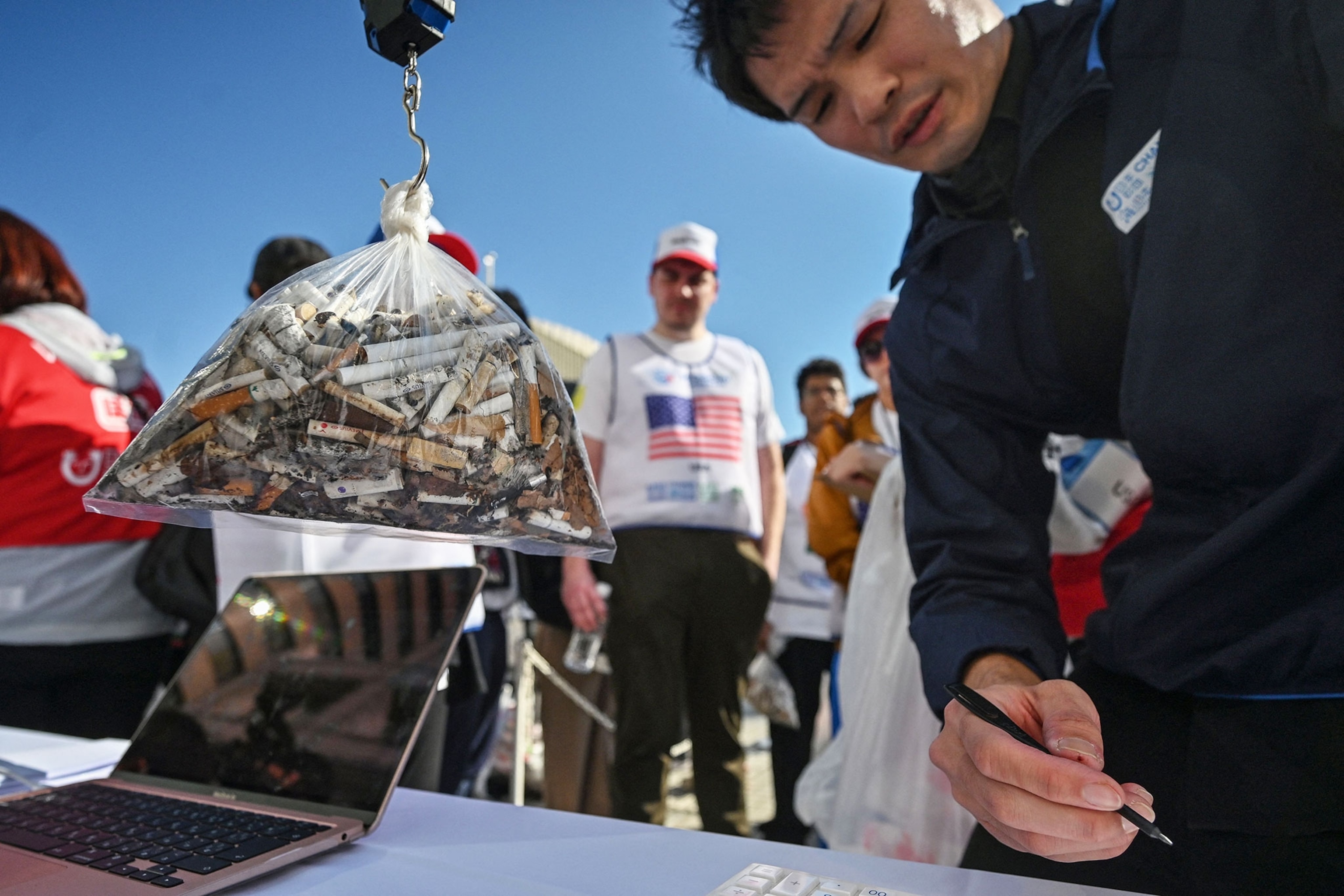
“When I was designing the rules, one thing was very important to me: I wanted it to be a competition that anyone could take part in—regardless of age or gender—and where anyone could aim for the top,” says Mamitsuka. “Many sports separate people by gender or reward pure athletic ability, but I didn’t want that. Spogomi deals with environmental issues that affect all of us, so I believe everyone should be a player. That’s why one of the very first rules we created was ‘no running.’”
Though spogomi is designed to be accessible, competing at the elite level requires preparation, athleticism, and luck. Many spogomi players are already accomplished athletes, such as the Japanese sport climber Miho Nonaka, who is an Olympic medalist.
Search
RECENT PRESS RELEASES
Related Post
