Iran Conflict Speeds Up Global Shift to Renewable Energy
April 30, 2026
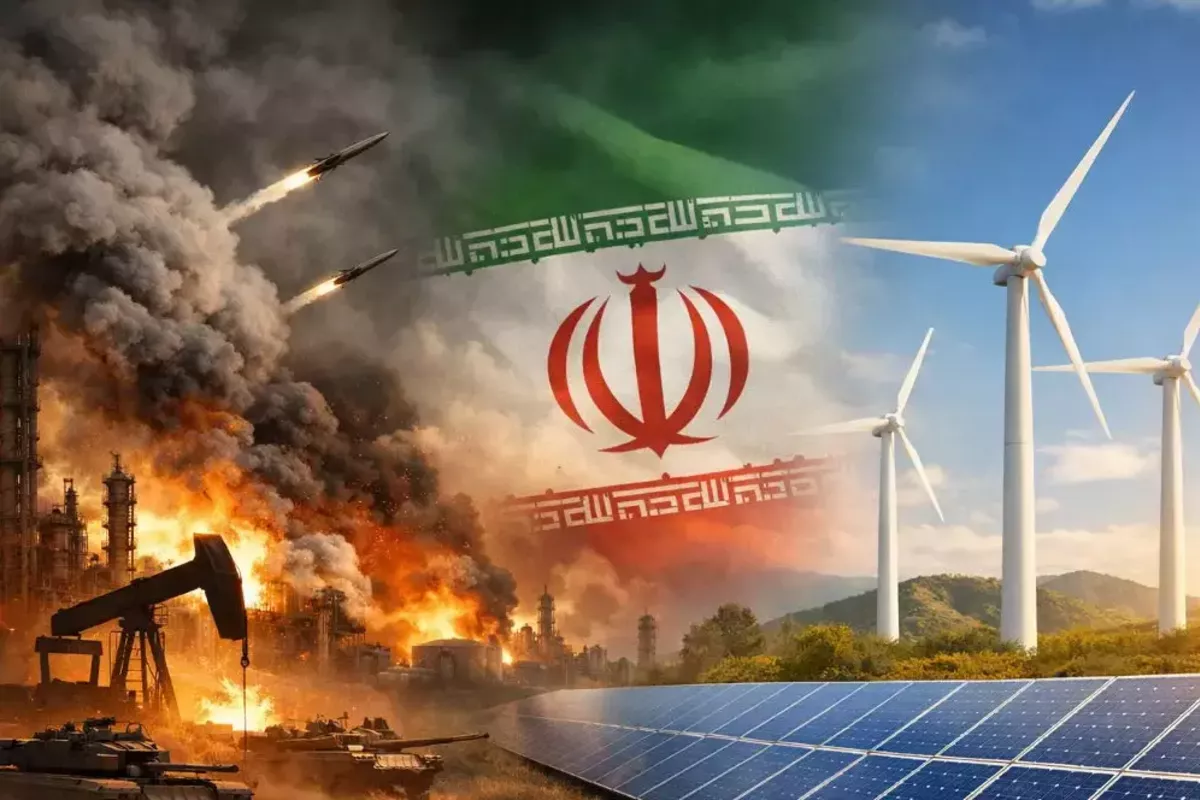
Photo credit: solsetu.com
Iran Conflict Speeds Up Global Shift to Renewable Energy
Simon Stiell, Executive Secretary of the UN Framework Convention on Climate Change, stated that the war in Iran is speeding up the shift to renewable energy as governments aim to lessen supply chain vulnerabilities.
“Those who tried to keep the world hooked on fossil fuels are inadvertently accelerating the global renewable energy boom,” Stiell said in Paris at a high-level meeting of UN and International Energy Agency representatives dedicated to preparations for the COP31 summit, The Caspian Post reports, citing foreign media.
Following the US and Israeli strikes on Iran on February 28, the sharp rise in oil and gas prices forced governments to reconsider energy security policies. The International Energy Agency stated that the conflict in the Middle East has already significantly altered global oil consumption forecasts, with demand gradually shifting toward alternative energy sources.
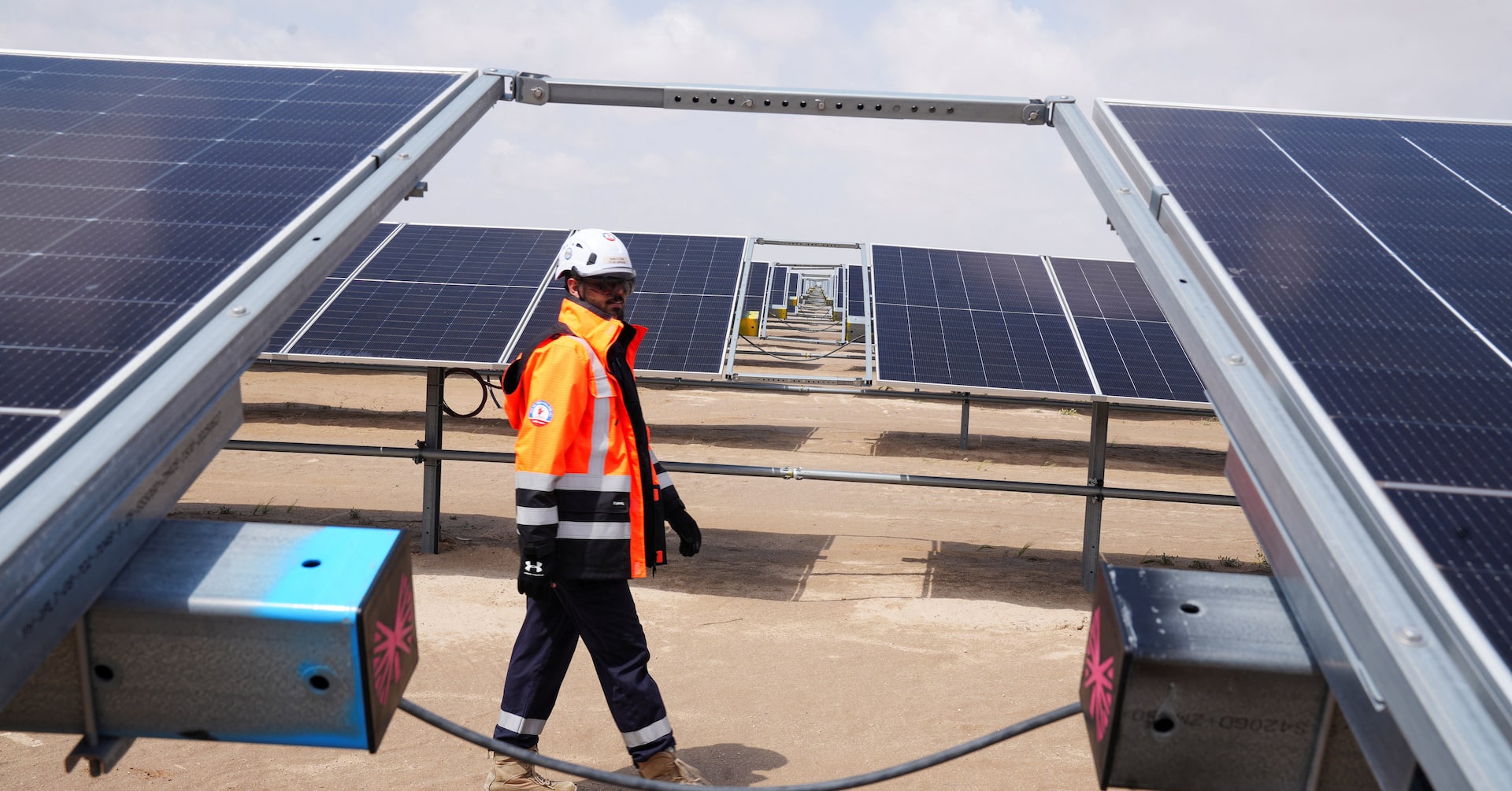
Stiell noted that this shock has only accelerated existing trends. According to him, last year, investments in clean energy were already double those in fossil fuels. He emphasized that renewable energy is safer, cheaper, and less dependent on geopolitical conflicts and logistical risks.
A similar view was expressed by former Australian Prime Minister Kevin Rudd, who stated that rising fuel and electricity prices could push countries toward a faster transition to clean energy, especially against the backdrop of instability in the Strait of Hormuz region.
Experts note that the current situation is increasingly forcing governments to invest in energy autonomy, economic stability, and the development of renewable energy sources.
Most read
USS George HW Bush Aircraft Carrier Arrives in Middle East
23 Apr, 23:25
29702
Did Bagher Ghalibaf Resign From Iran’s Negotiation Team?
23 Apr, 22:55
1646
Oil Prices Surge Above US$106 as US-Iran Negotiation Outlook Remains Uncertain
24 Apr, 10:32
950
Kazakhstan’s Drone Ambitions: A Shift Toward Domestic Defense Production
23 Apr, 22:00
786
Germany Eyes Minesweeper Deployment Near Hormuz
25 Apr, 10:49
745
Somalia’s Malnourished Children Hit Hard by Iran War
28 Apr, 14:46
717
Georgia Eyes Xiaomi Plant to Boost Manufacturing Hub
24 Apr, 19:49
693
Simon Stiell, Executive Secretary of the UN Framework Convention on Climate Change, stated that the war in Iran is speeding up the shift to renewable energy as governments aim to lessen supply chain vulnerabilities.
Search
RECENT PRESS RELEASES
Related Post