Iran Sees Legal Path to Environmental Levies in the Strait of Hormuz
May 31, 2026
WANA (May 31) – A senior Iranian environmental official has argued that imposing environmental charges on vessels passing through the Strait of Hormuz could serve as a lawful mechanism for compensating the region for ecological damage caused by decades of military activity, including recent operations involving the United States and Israel.
The remarks come after Shina Ansari, Iran’s Vice President and head of the Department of Environment, announced that the organization had submitted proposals to the Ministry of Foreign Affairs regarding environmental issues linked to a potential new framework governing the strategic waterway.
Speaking on the issue, Arman Khorsand, head of the Department of Environment’s Center for International Affairs and Environmental Conventions, said international maritime law provides a legal basis for certain fees in straits governed by the principle of “innocent passage.”
According to Khorsand, international law recognizes two primary transit regimes: transit passage and innocent passage. While transit passage generally applies to straits used for international navigation, innocent passage applies in waters that fall within the territorial jurisdiction of one or more coastal states.
He explained that under the innocent passage regime, vessels must not engage in activities that threaten the security or environment of coastal states. Pollution, illegal fishing, smuggling, and other actions deemed harmful can constitute violations of this principle.
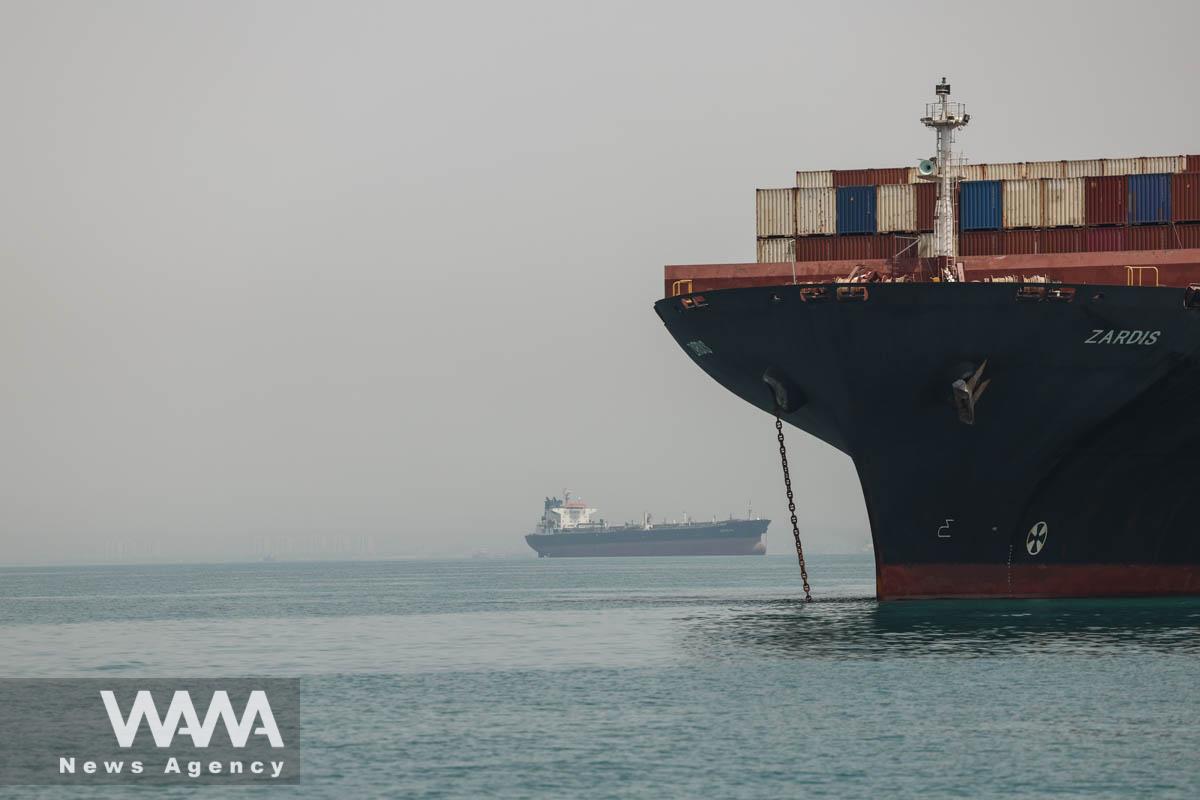
Vessels in the Strait of Hormuz, Iran, May 22, 2026. Majid Asgaripour/WANA (West Asia News Agency)
Khorsand argued that coastal states may charge fees related to navigational assistance, maritime safety services, environmental protection measures, and other services provided to ships transiting such waterways.
He described the Persian Gulf as one of the world’s most environmentally vulnerable marine regions, noting that its semi-enclosed geography makes it particularly susceptible to ecological degradation.
According to the official, the environmental impact of military activity in the region has accumulated over decades, beginning with the “Tanker War” during the Iran-Iraq War and continuing through the Persian Gulf Wars and the sustained presence of foreign naval forces.
Large-scale oil spills, military operations, and the activities of naval fleets have left lasting damage on marine ecosystems in both the Persian Gulf and the Gulf of Oman, he said. Recent military operations in the region have further intensified concerns about environmental harm.
Khorsand maintained that environmental levies collected from vessels passing through the Strait of Hormuz could be directed toward restoring damaged ecosystems, rehabilitating sensitive habitats, and mitigating the long-term effects of pollution and environmental degradation.
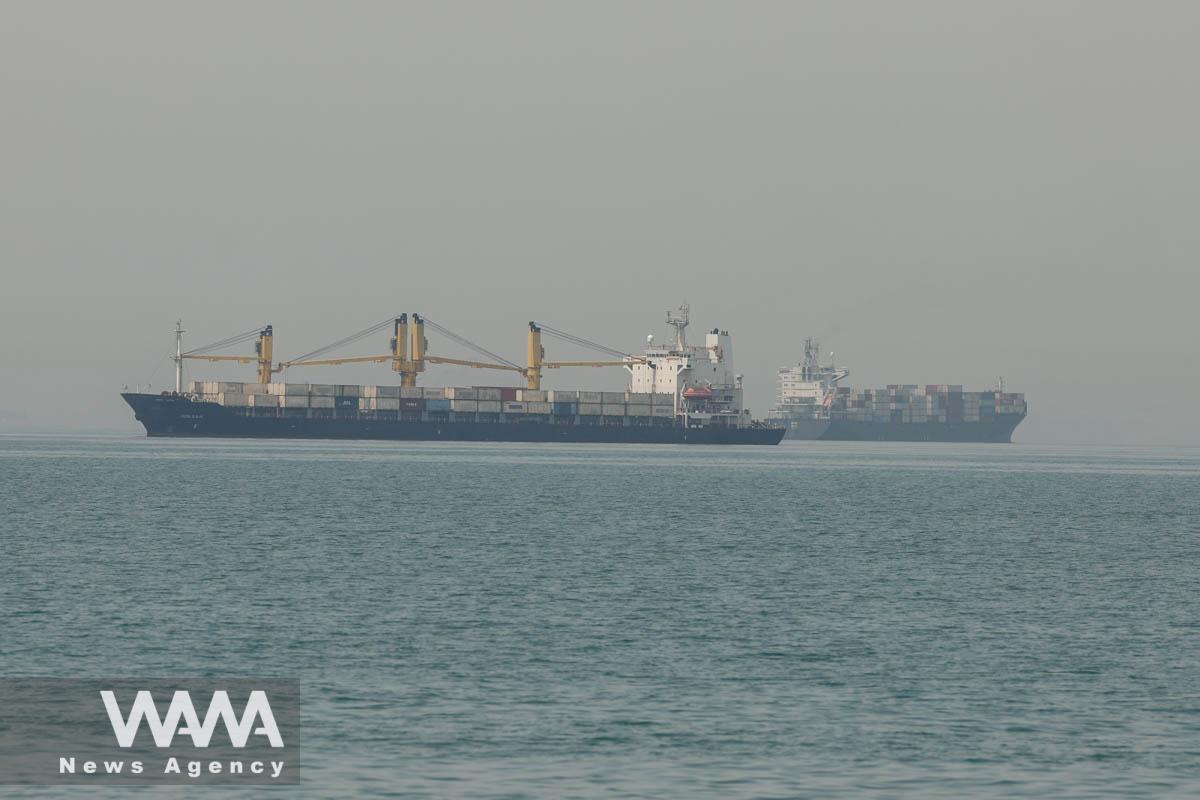
Vessels in the Strait of Hormuz, Iran, May 22, 2026. Majid Asgaripour/WANA (West Asia News Agency)
He also rejected claims that such charges would violate international law, arguing that mechanisms for recovering environmental costs and compensating for ecological damage already exist within the broader framework of international maritime law.
“The issue is not charging vessels simply because they pass through the strait,” he said. “The objective is to secure resources needed to address environmental damage and compensate for the consequences of actions that have undermined the principle of innocent passage.”
Khorsand further argued that military operations conducted in the region have not only generated security and humanitarian consequences but have also inflicted significant environmental costs. Under widely recognized principles of international law, he said, those responsible for causing damage should bear the costs of remediation.
He concluded that environmental charges on vessels transiting the Strait of Hormuz could be implemented within a recognized legal framework and could provide a source of funding for the protection and restoration of one of the world’s most strategically important and environmentally sensitive waterways.
Search
RECENT PRESS RELEASES
Related Post