Is a SpaceX-Tesla Merger Elon Musk’s Endgame? Here Are 4 Factors Investors Need to Consider.
May 17, 2026
In what would be the largest IPO in history, Elon Musk’s SpaceX is hoping to raise $75 billion. That is a staggering number. It would also mean SpaceX’s market capitalization would be somewhere in the ballpark of $2 trillion — another staggering number.
Since the IPO was revealed, rumors have swirled that Musk intends to combine the space company with Tesla (TSLA 4.74%).
Obviously, no one can say for sure if it will happen, but it’s certainly a possibility. Here are four things to consider about any potential merger.
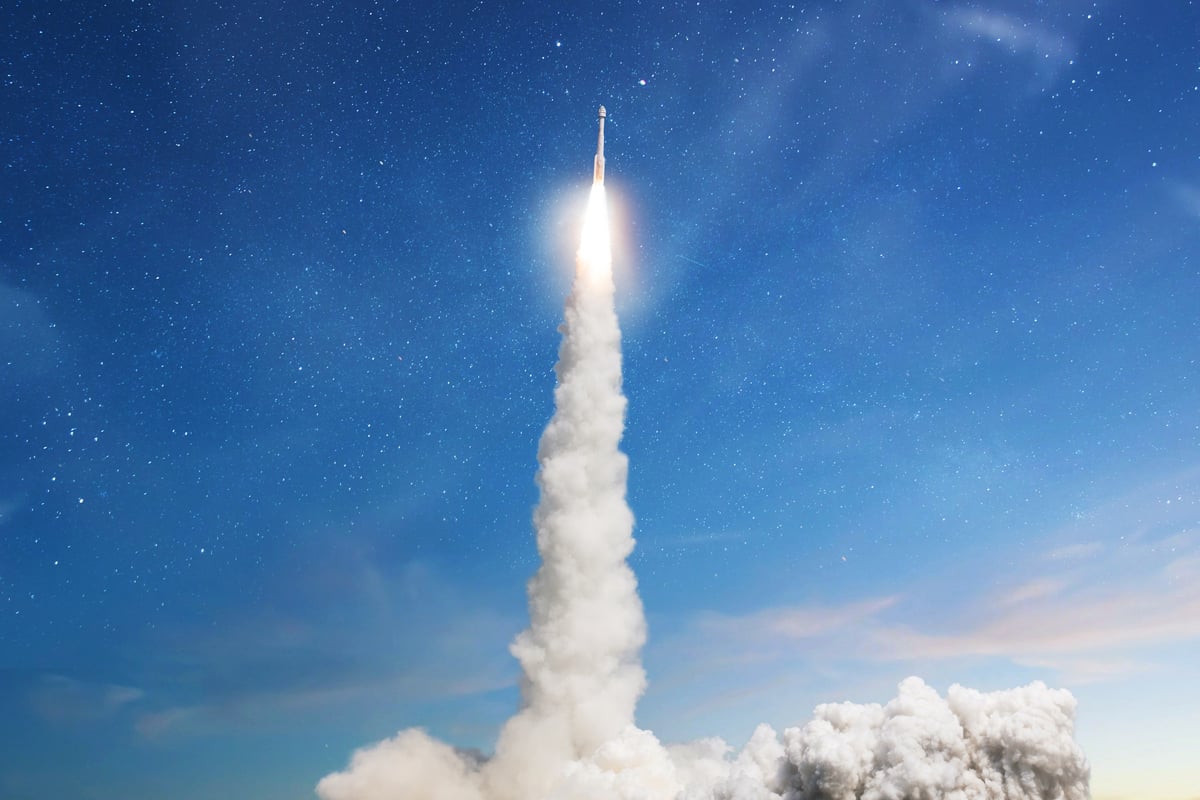
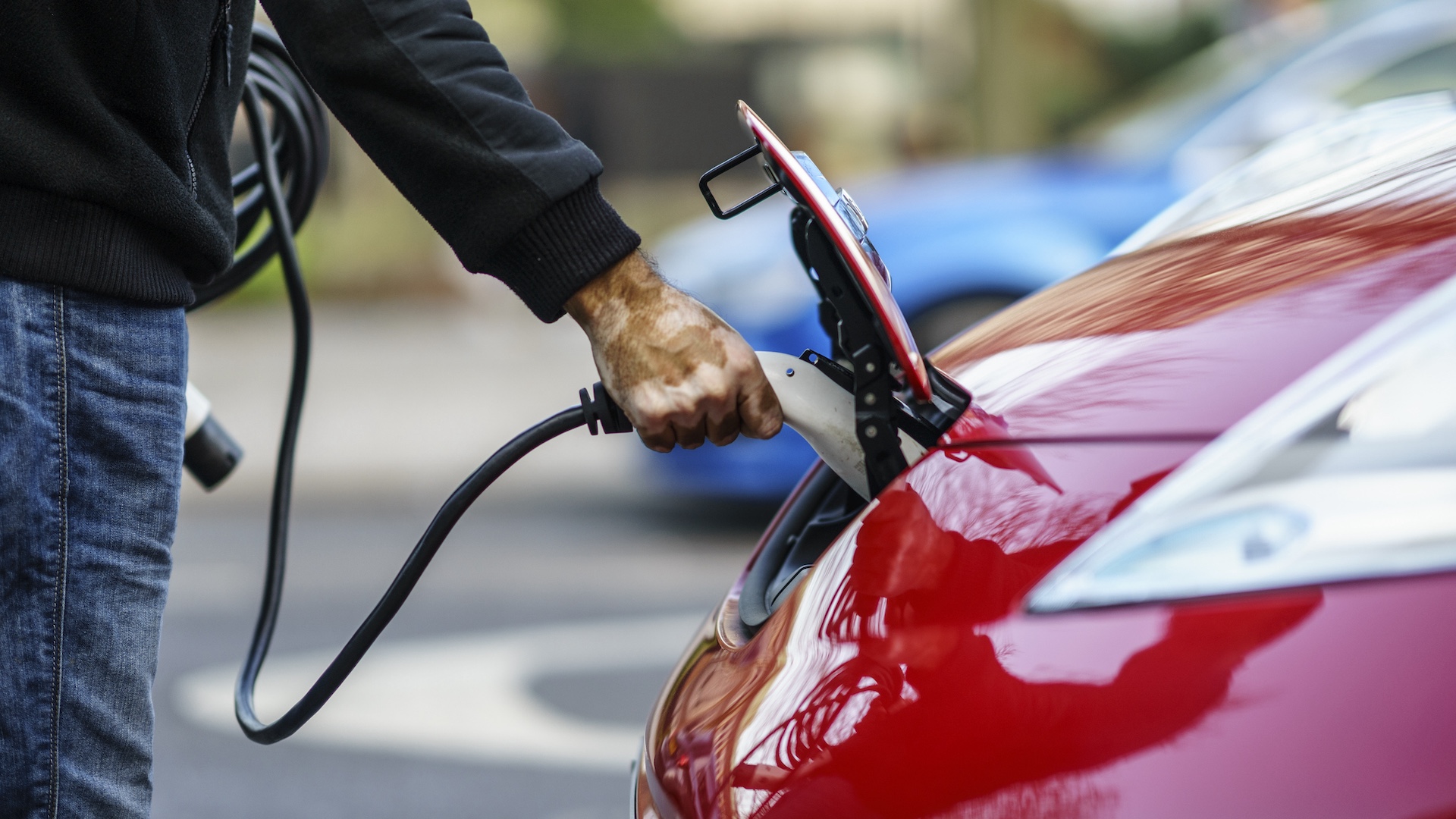
Image source: Getty Images.
1. Can one company really do all of this at once?
The combined entity would launch rockets, offer space-based telecommunications, train artificial intelligence models, build humanoid robots, design robotaxis, develop self-driving technology, manufacture batteries — and sell cars.

Today’s Change
(-4.74%) $-21.00
Current Price
$422.30
There would definitely be synergies here — SpaceX helping manufacture Optimus robots, Tesla using xAI’s models — but that is a lot of balls in the air. Any one of these would be difficult on its own. Investors should ask whether the merger really solves more problems than it creates.
2. Government scrutiny could become a serious headache
Both companies have many points of contact with the federal government: SpaceX has major contracts with the Department of Defense and NASA, while Tesla’s self-driving technology is under heavy scrutiny from safety regulators, to name a few.
Dealing with the “alphabet soup” of the federal government could become a serious headache for the combined company. And more critically, it would likely face antitrust allegations and could face serious heat from less-friendly administrations. I think pricing in only today’s political climate is a mistake.
3. SpaceX’s share structure gives Musk total control
SpaceX uses a dual-class structure: Class A shares and Class B shares. Class B shareholders will get 10 votes for every Class A share available — the kind available to retail investors.
This will leave Musk with 50% of the voting power after IPO and the ability to elect, remove, or fill any vacancy on the board of directors. The company has also adopted mandatory arbitration, restricting class action suits from shareholders.
All this means that Elon Musk will essentially have total control of SpaceX, making a merger with Tesla much easier — if that is what he wants, of course.
4. Does a merger simplify Musk’s life or complicate it?
A merger would, in theory, simplify Elon Musk’s life by consolidating all of his companies under one roof.
But it would also create a staggeringly complex organization at a critical juncture for both companies — Tesla has been hemorrhaging market share to Chinese competitors, and SpaceX is growing rapidly, but facing harsh cash flow realities, burning $1 billion a month trying to scale xAI.
So would a merger streamline Musk’s life, or would it create an organization of staggering complexity at a time when neither side of the business can afford any unforced errors?
Search
RECENT PRESS RELEASES