It became the first nation 100% powered by solar energy — Now climate change threatens its
January 7, 2026
One of the most significant ongoing obstacles faced worldwide is the concept of climate change. While not all may be equally affected by its consequences, it is still vital to mitigate climate change, especially for the sake of island nations. One in particular became the first nation 100% powered by solar energy, but now, climate change threatens its survival in this very century. Discover why island nations are the most vulnerable to the concept of climate change, despite their embracing renewable energy sources.
The consequences of climate change on island living
Harmful greenhouse gas emissions from fossil fuels cause the devastating effects of climate change. While these effects can be seen globally, such as rising urban temperatures and extreme changes in weather patterns, those who live, work, or occasionally travel to certain islands may find that these nations have drawn the short straw.
According to a 2022 report by the United Nations in the Caribbean, the primary climate change effects faced by island nations include:
- Warmer ocean temperatures
- Glaciers melt, which increases sea levels
- Higher occurrences of flooding, permanent land loss, and coastal erosion
- Result in coral bleaching, which destroys vital reefs and mangrove forests
- Aggravated storms
- Tropical cyclones and storm surges intensify
- Impacts culture and local communities, economies, and infrastructure, often resulting in permanent displacement
- Limited space
- Nowhere to retreat, as many are located in low-elevation coastal zones
- Economic
- The tourism industry is significantly impacted
- Food and water scarcity
- Saltwater intrusion impacts drinking water supplies and land
- Changing rainfall patterns further aggravate the problem
One island nation turned to renewable energy sources to address climate change, becoming the first nation 100% powered by solar energy.
The first nation 100% powered by solar energy
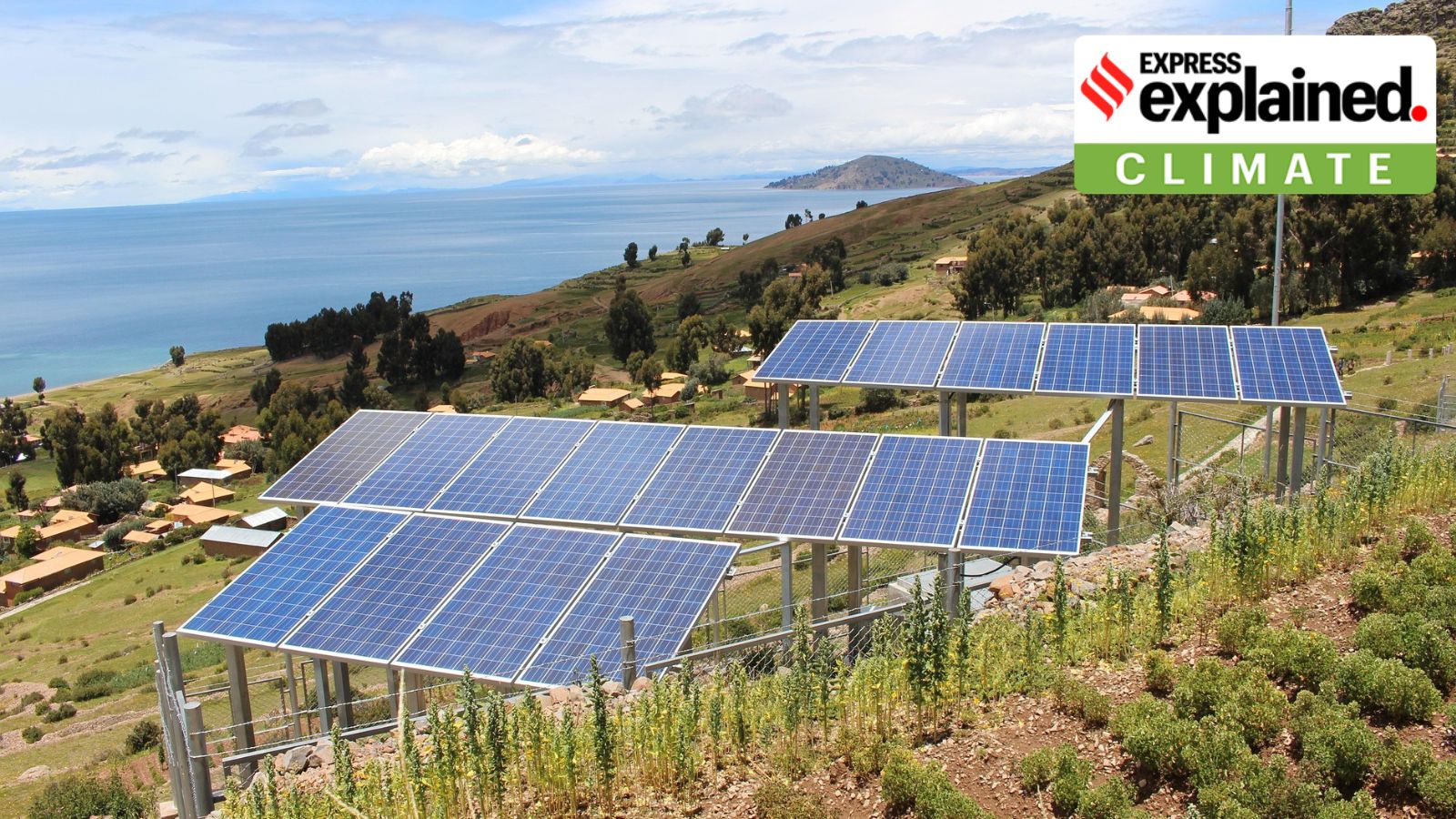
America may have had the first artificial photovoltaic island, but Tokelau, located in the South Pacific, became the first worldwide to achieve self-sufficiency with solar energy. The small island nation completed this achievement as early as 2012, years ahead of the UN’s final climate deal. This means that the 1,411 residents of the Atafu, Fakaofo, and Nukunonu atolls depend on solar power systems.
According to Joseph Mayhew, the New Zealand Aid Programme’s development manager:
“At the end of October 2012, New Zealand company PowerSmart had completed work on all three atolls. The people of Tokelau now enjoy solar energy for almost 100% of their electricity needs.”
Across the three atolls, the entire solar project consists of:
- 4,032 solar panels
- 392 inverters
- 1,344 batteries
This island nation’s survival is continuously threatened by climate change
Tokelau may be home to some of the biggest solar energy systems globally, but it doesn’t mean that the nation’s troubles are over. According to Mayhew, they specifically chose PowerSmart for the project because:
“They had experience in designing solar power systems for harsh and remote environments and have taken care to design a robust system suitable for the Pacific, which could withstand high temperatures, salt-laden air, and the risk of cyclones and flooding.”
Yet, the island’s very existence is being threatened. Tokelau’s three atolls are low-lying and at the forefront of the climate crisis, as their maximum elevation is only two to five meters above sea level. According to The Conversation, experts believe that solutions are needed to halt the island’s submergence, something that is becoming increasingly impossible by the day.
As the rest of the world is racing against time to meet the global mission of achieving net zero by 2050, Tokelau is already boasting a significantly low carbon footprint. Yet, the nation still faces the consequences of climate change, which highlights the importance of this global zero-carbon goal, as the existence of various island nations, such as Tokelau, depends on it. In other solar news, Bahrain is also embracing solar energy, announcing that it will have the world’s largest rooftop solar installation.
Post Views: 0
Author Profile
Search
RECENT PRESS RELEASES
Related Post