It’s America’s first artificial photovoltaic island — 164,000 floating solar panels produc
December 25, 2025
Renewable energy technology has evolved significantly, and this could not have happened without the proper research and development efforts of dedicated researchers. This is why places such as America’s first artificial photovoltaic island play a key role, as this island has over 164,000 floating solar panels that not only produce record energy but also provide significant research opportunities. Discover more about this artificial photovoltaic island and its role in renewable energy research and development below.
The importance of research and development
The world is well on its way to being a better, more sustainable place, thanks to renewable energy technologies that have significantly contributed to lowering the global carbon footprint. However, research and development also play a key role in making the world more environmentally friendly, as these processes help make renewable energies a sustainable and scalable reality.
According to reports by CompanionLink and REN21, in general, renewable energy technology research and development help contribute to:

- Increasing cost-effectiveness
- Advancing performance and efficiency
- Improving integration and infrastructure
- Solving intermittency and storage
- Informing policy and investment
- Encouraging innovation and new solutions
- Building local skills and partnerships
In America, a so-called first artificial photovoltaic island, for example, has become the ideal location for promoting research and development of solar energy and its associated technology. Find out more below.
It’s America’s first artificial photovoltaic island
The U.S. is dedicated to achieving its climate goals, with several states investing in advancing their renewable energy capacities. For example, the state of New York has invested in one of the largest solar energy projects ever. However, long before New York State reached this decision, Long Island had been producing record energy for years, thanks to the Long Island Solar Farm.
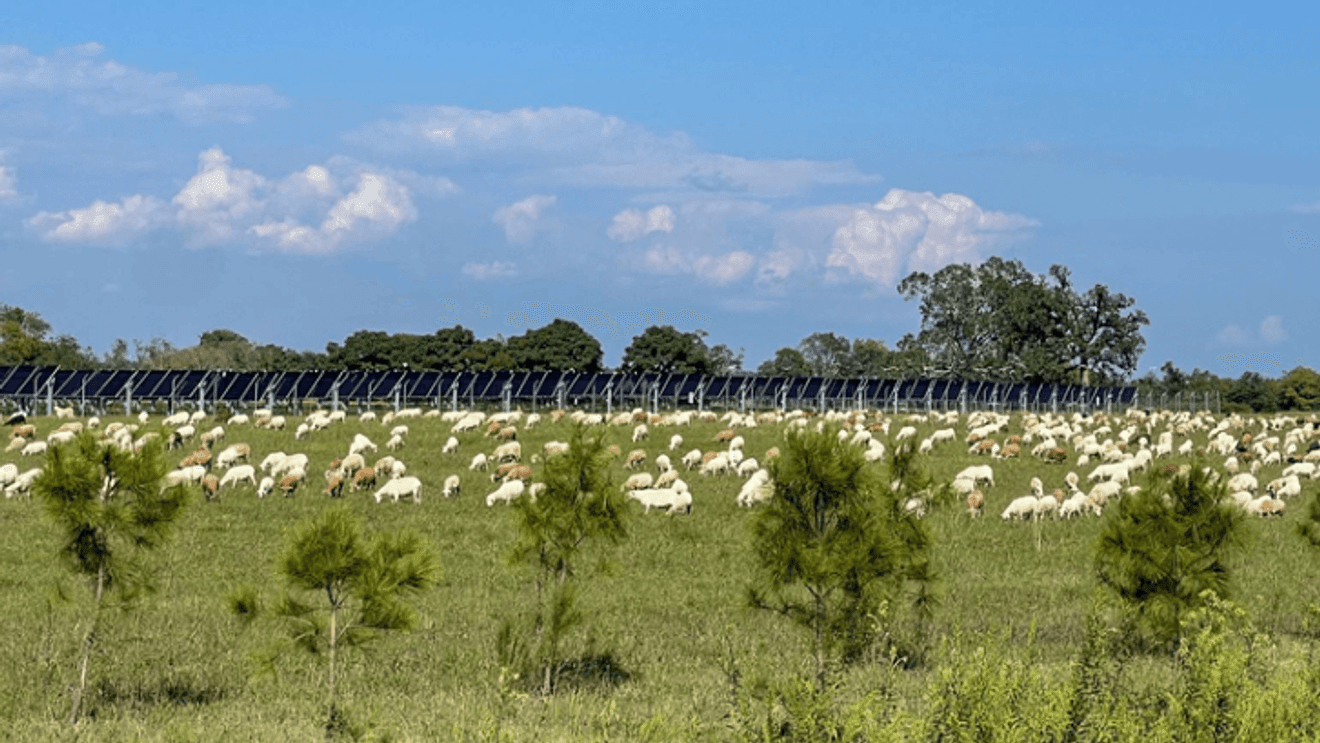
The Long Island Solar Farm is located at the Brookhaven National Laboratory and is the result of a venture between BP Solar, the Department of Energy, and the Long Island Power Authority. This 32 MW solar farm is one of the largest PV power plants in Eastern America, boasting more than 164,000 BP solar panels on the floating island, but its main priority is not to produce record energy.
164,000 floating solar panels producing record energy and more
The Long Island Power Authority Grid started benefitting from clean solar power provided by the Long Island Solar Farm in November 2011, receiving 100% of its power output. According to the Brookhaven National Laboratory website, the solar farms’ annual average energy output is nearly 44,000,000 kWh, which is enough to provide power to approximately 4,500 homes annually.
Yet, these hundreds of thousands of crystalline solar PVs serve another purpose beyond producing record energy, which is contributing to research and development, including:
- Ecological studies
- Local power grid weather impacts
- Using the solar farm’s data to enhance future facility siting and design
- An additional 5-acre Brookhaven National Laboratory research array to research energy storage, inverter technologies, and power supplies
The site naturally has other environmental advantages as well, such as:
- Brookhaven National Laboratory is preserving 89 acres of land
- Long Island Power Authority is preserving 45 acres of land
- The solar farm contributes $75,000 to the Long Island Native Plant Initiative to restore the environment
So, while this so-called artificial PV island may not solely be producing solar energy, its vital role in the renewable energy industry, as well as in conservation, cannot be ignored. Its research and development contributions are key to ensuring that the state of New York, as well as the rest of the U.S., makes use of the best possible ways to lowering carbon footprints while meeting energy demands. Beyond solar capacity investments, New York has also invested in a $1 billion floating power project, showing renewables are indeed the future.
Post Views: 1
Author Profile
Search
RECENT PRESS RELEASES
Related Post