It’s darker than darkness — Blackest-ever solar cell absorbs sunlight and produces record
December 28, 2025
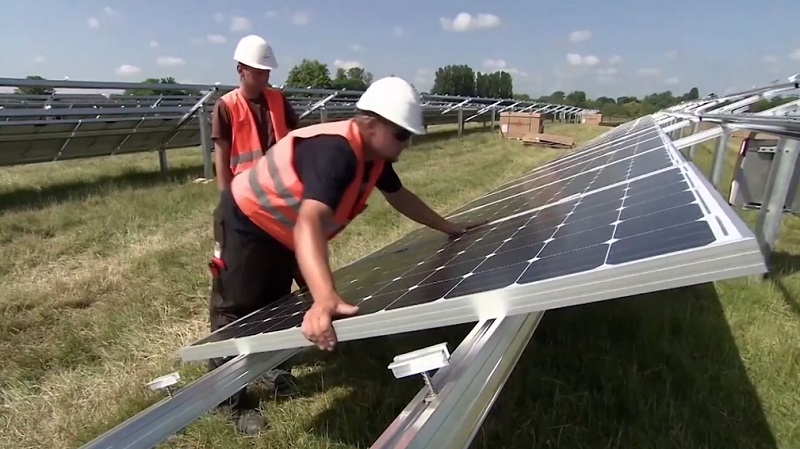
From darkness, light, and so much more is born, all thanks to the blackest-ever solar cell that absorbs sunlight to produce record energy. This has been achieved by an impossible material that is darker than darkness. The entire design is unlike anything ever seen before, proving that we must sometimes step away from the conventional to achieve something spectacular. Discover how the blackest-ever solar cell can transform your building into a dark and powerful machine.
Blackest-ever solar cell absorbs sunlight
When it comes to renewable energy technologies, solar energy is the primary renewable source used globally due to its abundance and the swift expansion of photovoltaic (PV) designs. This is quite significant, as hydropower used to hold the global number one installed capacity title.
According to the latest figures by the International Renewable Energy Agency, the global hydropower capacity at the end of 2024 was 1,283 GW. The global solar capacity soared to 1,865 GW. The International Energy Agency believed that solar PV production would even secure the top spot for global production by 2029, which comes as no surprise considering the unique solar cell designs on the market.

One unique design is the blackest-ever solar cell that can absorb sunlight to produce record energy thanks to an impossible material. Find out more below.
Record energy thanks to this impossible material
A company called WEUP Power has realized the value in producing PV glass solar panels as a building-integrated photovoltaics (BIPVs). For those unfamiliar with the concept, BIPVs are solar technologies that are seamlessly integrated into existing or new buildings to produce clean power while maintaining the buildings’ aesthetics. Glass solar panels generate solar energy with ‘hydraulic heat capture.’
While the concept itself is not new, WEUP Power has engineered the blackest-ever solar cell, which allows “complete fusion with an object and invisibility.” These cells are darker than darkness, offering significant efficiency. According to WEUP, their glass solar panels consist of:
- 12% Ultra clear tempered glass to ensure high performance
- Monocrystalline passivated emitter rear cells (PERCs)
The PERCs are integrated with half-cut cells and Multi Busbar technology to improve their performance in shading, reduce resistance, and decrease energy loss. However, these solar cells are about more than producing energy.
Darker than darkness to produce more than energy
WEUP Power has ensured that its black BIPV glass solar panels offer customers the most advantages possible, which include:
- Dual functionality
- Easy integration into facades, rooftops, and windows as a structural and safety component, and a clean power producer
- Design flexibility
- The full black color enables invisibility while seamlessly disappearing into the design
- Space efficiency
- Can be easily integrated into any building without using valuable space
- Clean energy
- On-site clean energy production
- Power savings
- Low carbon footprint
- Building performance
- Minimized glare and weather resistance
- Cools building
- Enables daylighting
- Durability
- The glass-on-glass design enhances system longevity
- More resistant to humidity, salt, and acid
Furthermore, the customer has more say in the design process, as WEUP Power’s glass solar panels are highly customizable, allowing customers to choose between various solar cell sizes, layouts, and shapes, enhancing the entire experience. Customers can also choose between float glass or satin glass, showing that there are endless possibilities for creating a powerful and aesthetically pleasing building.
BIPVs are the future, especially as architects and engineers are more focused on creating unique buildings that maintain aesthetics while keeping their carbon footprints as low as possible. While some may prefer the modern, darker-than-darkness facades and rooftops, there are also other, more colorful options to choose from, as colored solar panels also exist, and they are coming to America. Soon, red, green, and even orange skyscrapers could be towering in cities all over the U.S.
Disclaimer: Our coverage of events affecting companies is purely informative and descriptive. Under no circumstances does it seek to promote an opinion or create a trend, nor can it be taken as investment advice or a recommendation of any kind.
Post Views: 1
Author Profile
Search
RECENT PRESS RELEASES
Related Post