‘I’ve never watered it’: how an Australian groundskeeper achieved the world’s ugliest lawn
January 23, 2026
When they moved in about 13 years ago, there was plush green lawn out the front. Nowadays the grass is so high that neighbours fear it could be harbouring snakes. Even the meter reader is a bit wary.
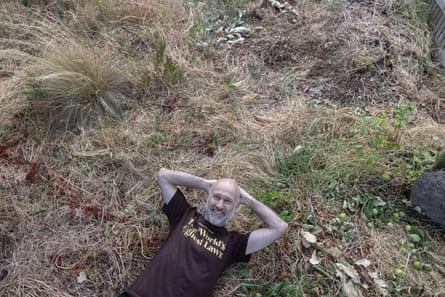
“I’d love to have snakes in the front yard. But they need water. And so they stay down by the river, which is a couple of blocks away,” says Jarno Coone, whose unkempt front yard in Kyneton, Victoria, has been named the World’s Ugliest Lawn 2025.
Judges in the global competition described Coone’s work as “like kids’ hair after a lice treatment gone horribly wrong”.
How did he achieve such imperfection? “I leave it to nature. I’ve never watered it.”
The World’s Ugliest Lawn competition, which began on the Swedish island of Gotland as a stunt to promote water conservation, is now in its third year.
So far, the southern hemisphere has dominated, with pock-marked and parched displays in Sandford, Tasmania and Birdlings Flat in New Zealand beating international rivals for the dubious honour.
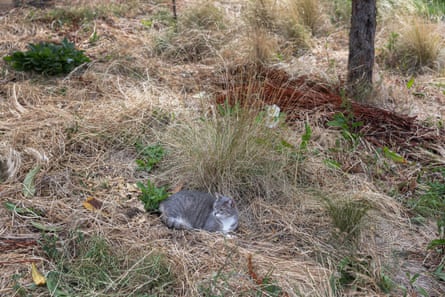
The tangle of native grasses, weeds and scatter of small trees outside Coone’s home is dry in patches, and green in others. It looks, as one of the judges commented, like “they’ve obviously not spent any money on it”.
So it’s somewhat surprising to learn that the man responsible for this unsightly display is a professional groundskeeper. Coone spends his days as a property manager tending to 1,100 acres of bush surrounding the independent Candlebark and Alice Miller school.
He expects the students may find it amusing that the person responsible for the world’s ugliest lawn is in charge of their school grounds. But he is quietly chuffed with the notoriety.
“It’s a great idea, not only for water conservation, but conservation of resources in general and living with nature.”
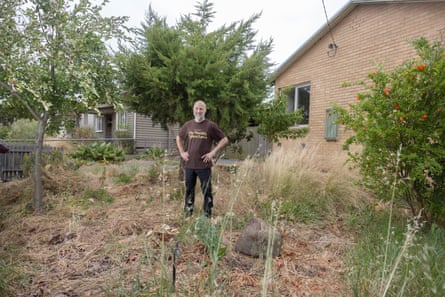
He plans to wear his prize – a third-hand commemorative T-shirt posted across the Tasman by last year’s winner Leisa Elliott – to the school’s morning meeting when he tells them.
Neighbours might look askance, but local birds, bees and bats aren’t bothered by the aesthetics. Butterflies – painted ladies and yellow admirals – seem to love the long grass and nettles, Coone says.
His family enjoy watching the microbats at dusk as they flit around eating their fill from his front yard. “They’re fun to watch in the evening, just flying around, catching insects.”
In fact, urban ecologists say wildlife usually prefer things to be left a little messy, with twigs, leaves and bark providing habitat or construction materials for nest-building.
“It stands to reason that if you let nature do what it wants to do with the grass and let it grow, and seed and fulfil its life cycle, then obviously it’s going to provide more habitat than something that’s cut down every weekend,” Coone says.
It’s also a lot of work to keep things tidy, and there are better things to do.
“Instead of mowing your lawn, you’re probably doing better by just going for a bush walk and observing and seeing what you see. That’s probably a much better usage of time.”
Search
RECENT PRESS RELEASES
Related Post