Masses of toxic litter pours from Rhine into North Sea each year, research finds
January 8, 2026
Thousands of tonnes of litter is pouring into the North Sea via the Rhine every year, poisoning the waters with heavy metals, microplastics and other chemicals, research has found.
This litter can be detrimental to the environment and human health: tyres, for example, contain zinc and other heavy metals that can be toxic to ecosystems in high concentrations.
“Even natural, less persistent materials, such as worked wood, paper, cardboard and food waste may contain toxic or harmful additives,” said Dr Leandra Hamann, a zoologist at the University of Bonn and lead author of the study.
Rivers play a significant role in transporting litter into other aquatic and marine environments. Researchers said the composition of litter found in the Rhine was very similar to that found in other European rivers including the Thames. These large quantities of litter also have the potential to damage crucial infrastructure such as drainage systems, leading to increased risk of flooding.
Citizen scientists and researchers from the University of Bonn analysed litter collected from the Rhine between November 2022 and November 2023. They found the river carried up to 4,700 tonnes of “macrolitter” – pieces larger than 25mm in size – annually. They said more research was needed to understand the full extent of the problem.
Hamann said the Rhine was one of the major contributors of Europe’s macrolitter into the sea, but added that many other rivers had not yet been investigated.
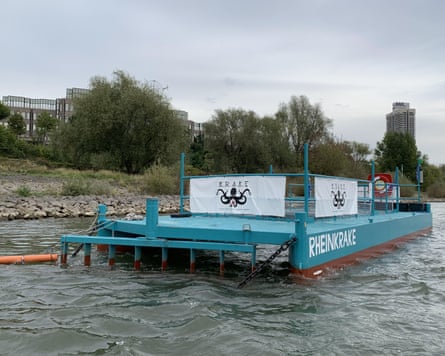
A floating litter trap was anchored in Cologne to monitor the amount of rubbish flowing through the Rhine. Out of almost 2,000kg captured by the trap, 15% was found to be made of plastic, and 28% was food or drink related.
Hamann emphasised the “really great work” done by citizen scientists on the project, who were responsible for collecting litter from the trap, transporting it to the monitoring site and recording individual pieces of litter on a custom-made app.
The study was published in the journal Communications Earth & Environment.
Search
RECENT PRESS RELEASES
Related Post