Meet the nine start-ups joining Amazon’s Sustainability Accelerator to reshape everyday consumer products
June 10, 2026
Nine sustainability-focused start-ups from five European countries have been selected to join the latest consumer products intake of the Amazon Sustainability Accelerator — a nine week programme designed to help early-stage brands scale responsible products and reach millions of customers.
Now in its fifth year, the Accelerator provides founders with mentorship, e-commerce expertise, logistics support through Fulfilment by Amazon (FBA), and access to Amazon’s sustainability tools to help them grow their businesses while reducing environmental impact. The programme is part of Amazon’s broader goal to reaching net-zero carbon emissions by 2040 under The Climate Pledge. The programme’s previous consumer products cohort supported eight start-ups pioneering responsible product design, from plastic-free cleaning products to reusable nappies, many of which are now selling to customers across multiple Amazon Stores.
The 2026 consumer products cohort spans personal care, food and drink, materials innovation, and circular design; and is united by a shared mission to prove that sustainable products can compete at scale.
“Every one of these companies looked at something the world was throwing away: bread, coffee grounds, grain… and saw a product worth making. That shift in thinking, from waste as a problem to waste as a resource, is what really excites us,” said Xavier Flamand, VP EU Seller Services.
The 2026 cohort
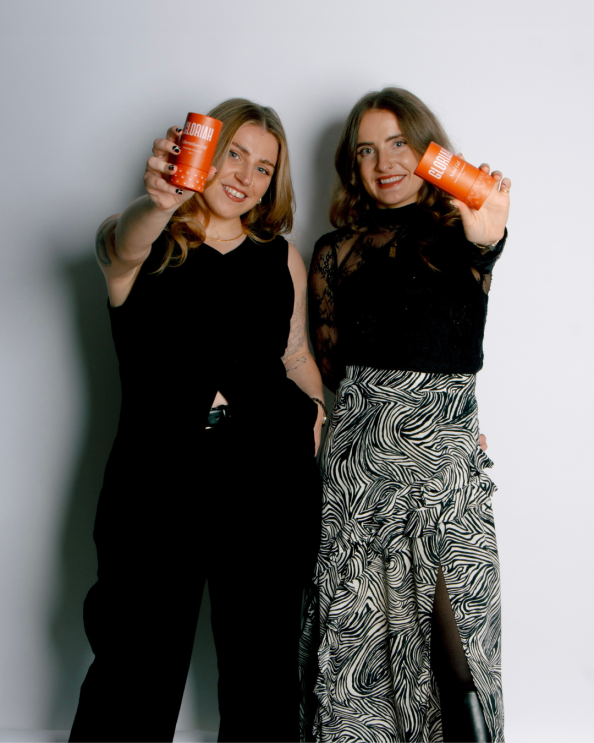
GLORIAH (Edinburgh, UK) — GLORIAH makes a natural moisturiser for vaginal dryness — sold in a glass bottle you keep and refill instead of throwing away. Since launching in 2021, that simple switch has prevented over 120,000 pieces of plastic from being binned.
“Millions of women experience vaginal dryness, and for too long the only options have been synthetic formulas in single-use plastic. We built GLORIAH to prove that the most intimate products deserve the highest standards — natural ingredients, refillable packaging, zero compromise,” said founder Jessica Watson.
Wasted ApS (Copenhagen, Denmark) — This Copenhagen-based company rescues surplus bread — loaves destined for the bin — and turns it into everyday food products, including pasta made from 25 percent bread waste. To date, Wasted has upcycled approximately 10 tonnes of surplus bread, the equivalent of 345,000 slices.
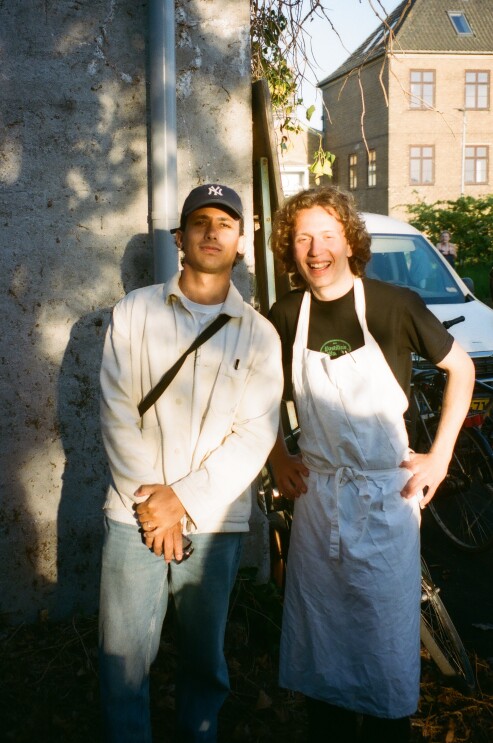
The brand is endorsed by three-Michelin-star chef Massimo Bottura and has been nominated for the Earthshot Prize 2026.
“Bread is one of the most wasted foods on Earth — and one of the most energy-intensive to produce. We’re turning that paradox into pasta, and proving that upcycled food belongs on every supermarket shelf, not just in the zero-waste aisle,” said co-founder Jorge Aguilar.
Nlcomp (Monfalcone, Italy) — The team from nlcomp developed rComposite®, a recyclable composite material for high-performance sports equipment including surfboards, helmets, and ski gear. The material delivers a lower carbon footprint than conventional thermoset composites and is fully recyclable at end of life — replacing fibreglass that currently ends up in landfill. nlcomp has won nine international awards, including the World Sailing Technology Award.
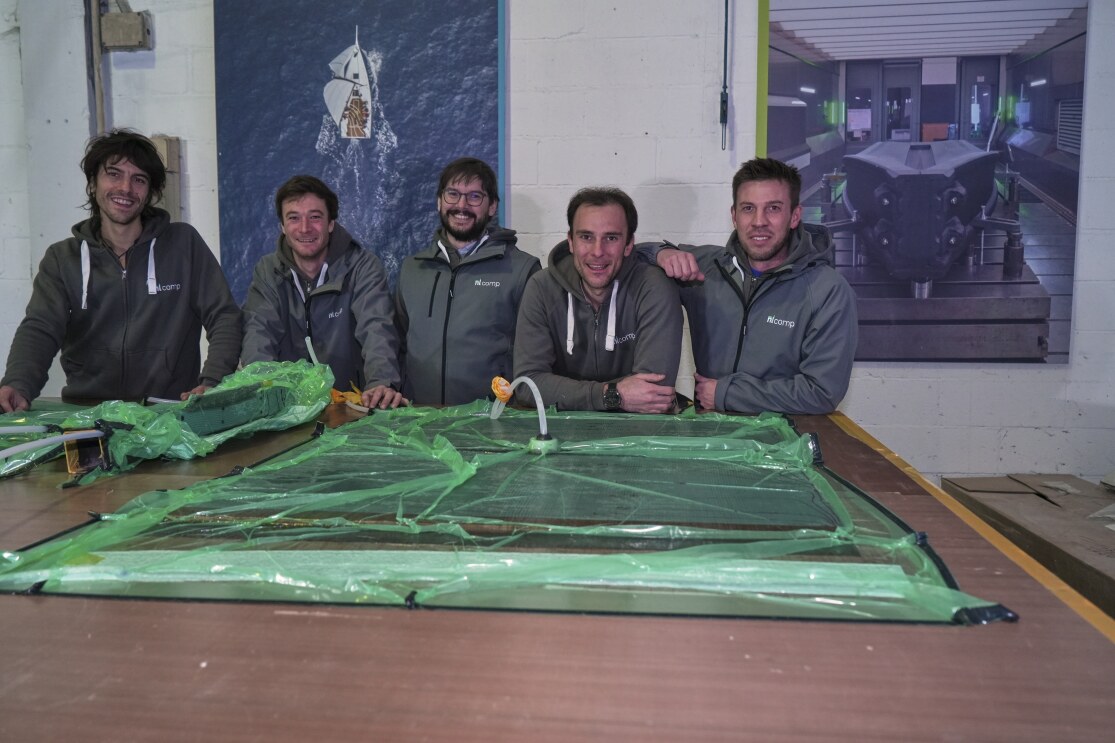
“The composites industry has spent fifty years optimising for strength and weight, and zero years thinking about what happens when the product breaks. rComposite finally closes that loop.” Said CEO Fabio Bignolini.
Circular grain (Munich, Germany) — The all-female founding team of Technical University of Munich alumni who have developed Tremi: a milk alternative made from brewer’s spent grain, a by-product of beer production that is often used as animal feed.

Tremi delivers on average three times more protein and six times less sugar than oat milk, while requiring no new crops or agricultural land. It has a significantly lower CO₂ footprint, land use, and water use than both oat milk and dairy.
“We need to make better use of the resources we have, and we are unlocking breweries as our starting point for a real circular food system” said CTO Marina Hijano Moreno.
Rollr (London, UK) —A refillable roll-on deodorant in a glass bottle designed to be kept and reused. Customers refill the bottle at home by adding a concentrated powder sachet to water: it’s less material, less weight, less waste. Rollr won Best in Show at The Dieline Awards in 2025.
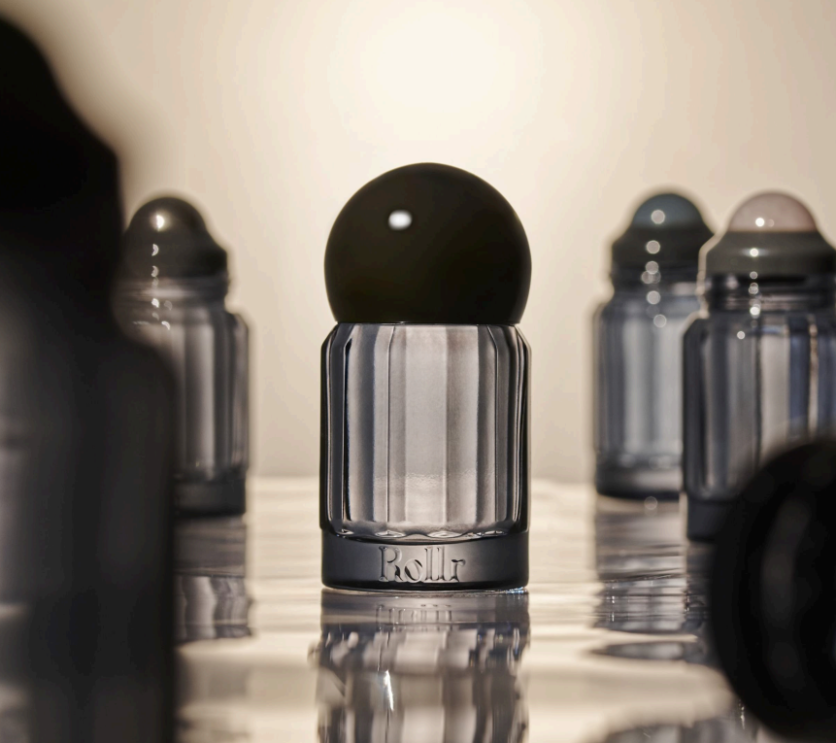
“We set out to expand the deodorant category and change how people see a product they use almost every day. Get that right and refilling stops being a chore and becomes instinctive, which is where the real impact comes from ” said founder Milo Pinckney.

Luna Daily (London, UK) — Luna Daily makes body care products designed for the whole body — head to toe, including intimate areas. Their hero product, the “Everywhere Spray-To-Wipe,” is a full body cleansing spray that replaces single-use disposable wipes. One bottle replaces up to 250 wipes, and to date Luna Daily has diverted more than 50 million wipes from landfill.
“Eleven billion disposable wipes go to landfill every year. Eleven billion. And there’s a simpler, better alternative that takes up less space, costs less, and actually works with your skin rather than against it,” said founder Katy Cottam.
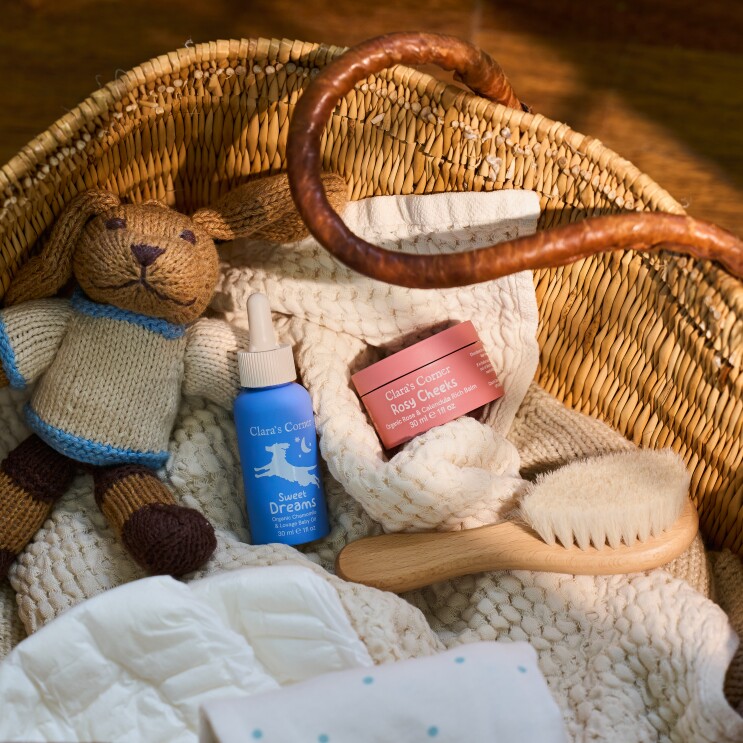
Clara’s Corner Organics (West Wycombe, UK) — Clara’s Corner Organics grows and formulates organic skincare products for children. For its packaging, the brand uses plant-based Shellworks Vivomer packaging that biodegrades without producing microplastics.
“The ingredients are organic and grown in the UK, we make the product, we know exactly what’s in it. That’s what parents actually want — total transparency,” said founder James Dashwood Chase.
BRØL (Copenhagen, Denmark) — An organic and certified B Corp brewery transforms surplus ingredients — including wheat bran — into beer, ready-to-drink cocktails, soft drinks, and non-alcoholic beverages. To date, BRØL has given more than 100 tons of surplus ingredients a second chance.
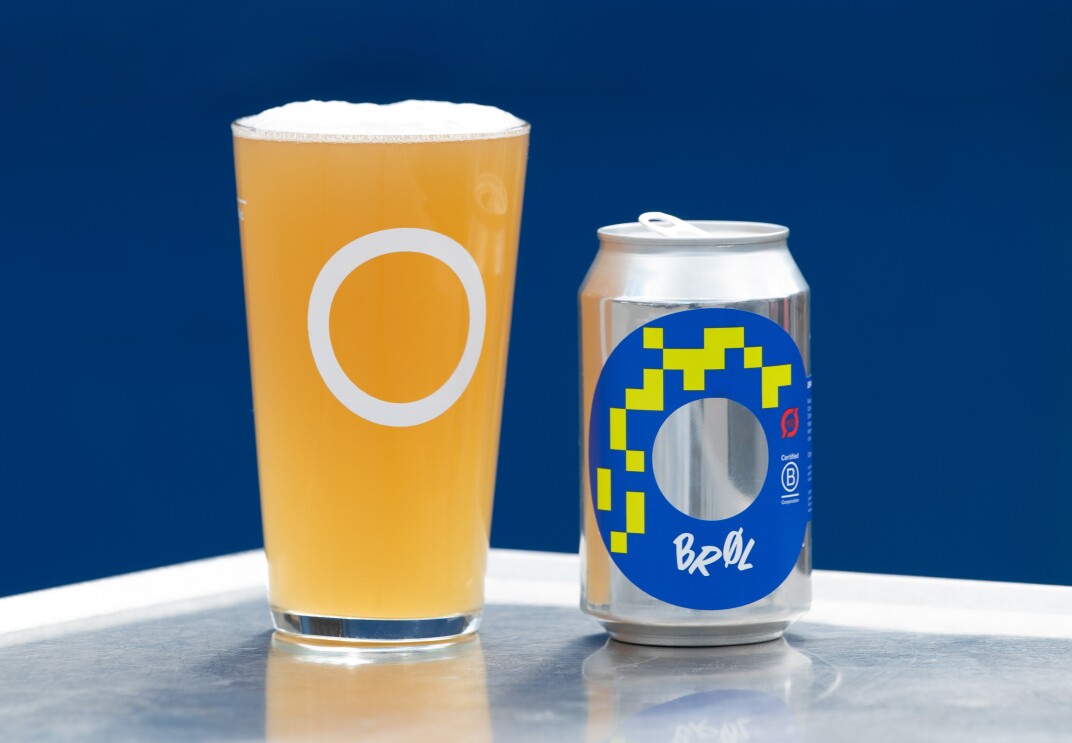
“The funny thing is that people expect less when they hear ‘upcycled.’ We’ve spent five years proving the opposite and we’re in hundreds of bars, restaurants, and shops. Some of the best things happen when you give them a second chance. ” Said CEO Saimon Skurichin.
Coffee Based (Gorinchem, Netherlands) — Coffee Based turns coffee waste — used grounds and silverskin, the thin husk that comes off beans during roasting— into premium, reusable cups that comply with EU food safety regulations, replacing single-use and fossil-plastic alternatives with an estimated 73 percent CO₂ reduction compared to paper cups over four years. They have already sold over one million Coffee Based products.
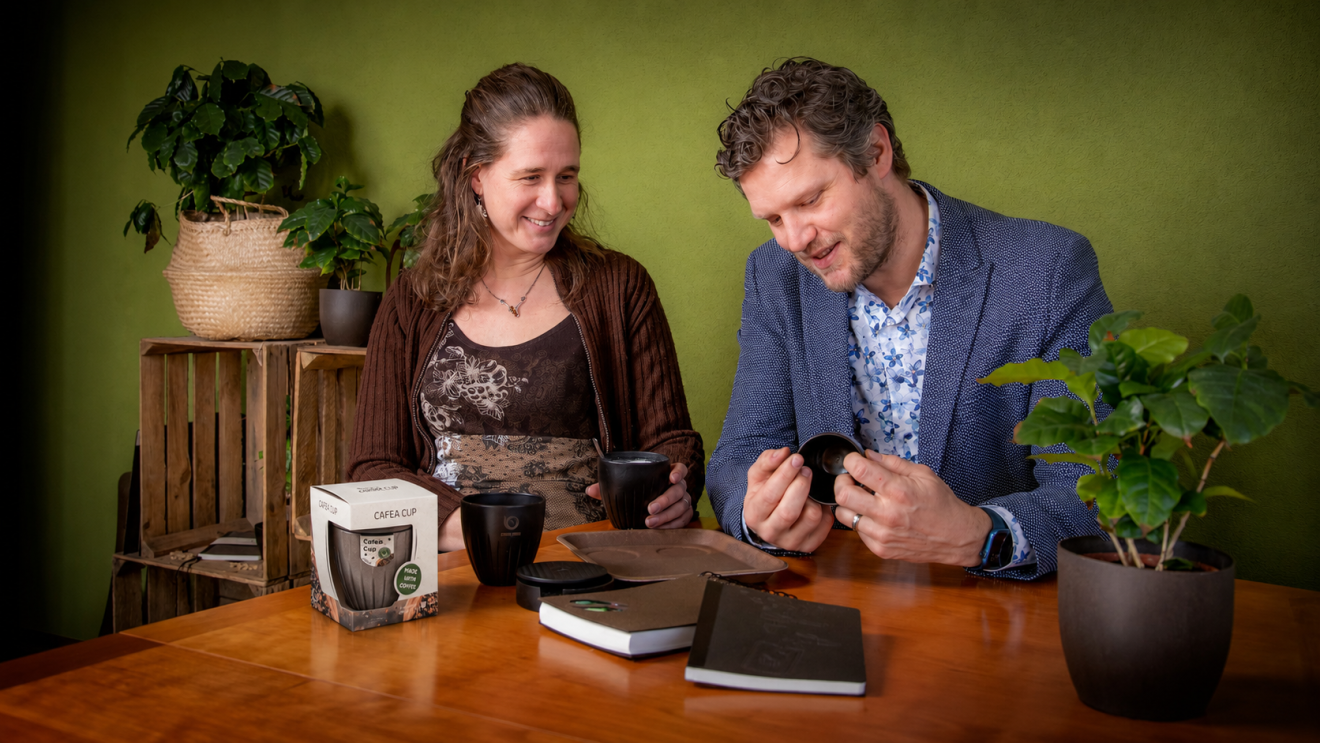
“There’s something beautifully simple about drinking your coffee from a cup made of coffee. But beyond the poetry, the maths works — 73 percent less CO₂ compared to paper cups, fully reusable, and it replaces single-use cups, helping reduce the need for disposable plastics,” said CEO Lisanne Addink.
Search
RECENT PRESS RELEASES
Related Post