Meta and NextEra Partner for a Big Solar and Storage Energy Deal
December 9, 2025
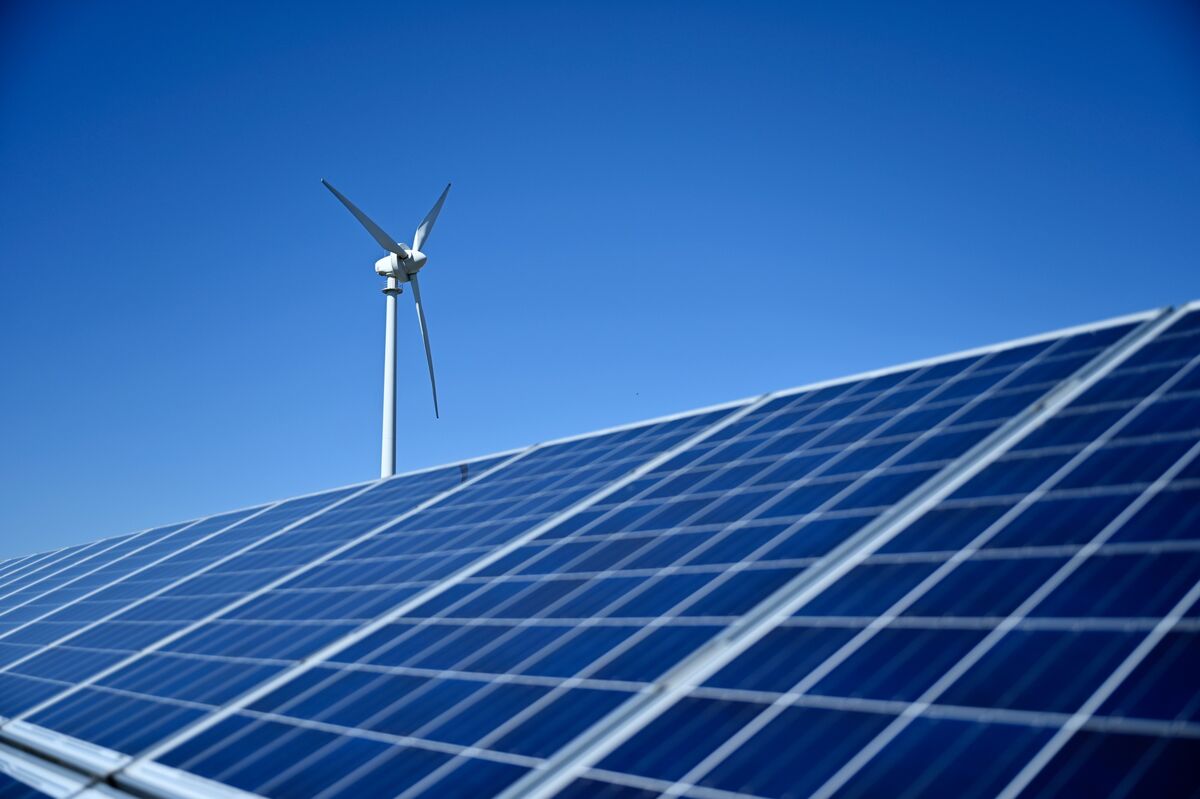
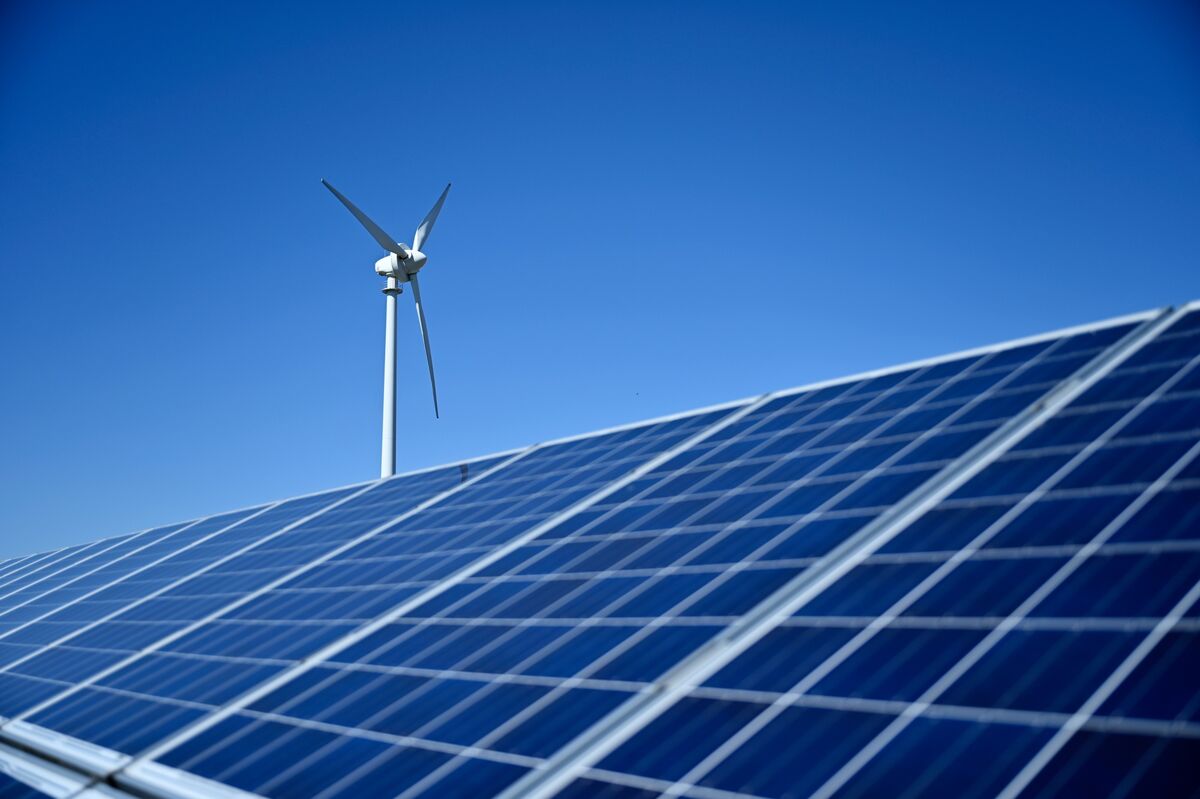
Meta, owner of Facebook, Thread, Instagram, and WhatsApp, has signed one of its largest clean energy agreements in the United States. The company entered a new partnership with NextEra Energy Resources to secure about 2.5 gigawatts (GW) of solar power and energy storage.
The deal includes projects across several major U.S. power markets and will support the growing electricity needs of Meta’s data centers. It also expands Meta’s long-term plan to match its operations with clean and renewable energy.
Inside Meta’s Biggest Solar-and-Storage Power Grab Yet
Meta and NextEra Energy agreed on a group of long-term power purchase agreements. These contracts cover 11 new solar power deals and two battery storage agreements. When combined, they equal about 2.5 GW of clean energy capacity. This is enough electricity to support several large data centers.
Most of the new capacity comes from nine solar farms, which will be built in regions covered by ERCOT in Texas, SPP in the central U.S., and MISO in the Midwest. Some of the projects are also based in New Mexico under the local utility’s clean energy program. These New Mexico facilities will deliver around 190 megawatts (MW) of solar energy and 168 MW of battery storage.
The new contracts add to previous deals between Meta and NextEra. Before this announcement, Meta already had about 500 MW of clean energy agreements with the company. The new projects will begin construction over the next few years. Both companies expect the facilities to start operating between 2026 and 2028.
Here are the main items from the deal:
- About 2.5 GW in total clean energy capacity.
- Solar projects across ERCOT, SPP, MISO, and New Mexico.
- 9 major solar plants and several battery systems.
These contracts are long-term and are designed to supply clean electricity directly to Meta’s operations in the U.S.
Why This Deal Matters to the Companies and the US Grid
This agreement matters to several groups, including Meta, NextEra, state and local communities, and America’s power system.
For Meta, the deal strengthens its ability to support its fast-growing data center network with clean power. Data centers use a lot of electricity, and demand is rising because of cloud services and artificial intelligence.
By signing long-term clean energy contracts, the tech giant gains more control over future energy costs. It also moves closer to its goal of matching all company operations with renewable energy.
For NextEra Energy Resources, the partnership adds to its development pipeline and strengthens revenue through stable, multi-year contracts. The company already leads the U.S. market in renewable power development. Securing large buyers like Meta helps lower financing risks and increases the speed of project construction.
For local communities, the new solar and storage projects will bring jobs. Construction of these facilities is expected to create more than 2,400 temporary jobs, along with additional economic activity from local spending on equipment and services.
For grid operators, new capacity in ERCOT, SPP, and MISO arrives at a time when these regions are managing higher power demand. Many states in these markets have seen strong growth in tech-driven electricity use.
Moreover, as the projects include battery storage, they can support the grid by providing power during late afternoon and evening hours when solar production drops.
Urvi Parekh, Head of Energy at Meta, noted:
“We are proud to continue our collaboration with NextEra Energy Resources in advancing energy infrastructure and storage solutions. The integration of 2.1 GW across ERCOT, SPP, and MISO, along with more than 350 MW from the three-way collaboration with PNM in New Mexico, to support our data center operations, demonstrates how industry cooperation can drive technological progress and strengthen America’s energy infrastructure.”
What the Numbers Show About America’s New Energy Boom
This deal reflects a wider trend in the energy market. Large technology companies are now among the biggest buyers of renewable power in the world.
Large tech firms lead global renewable procurement, with Meta securing 791 MW solar PPAs in 2025, plus this new deal with NextEra. This contributes to over 9.8 GW total contracted capacity toward 100% U.S. data center renewables by 2030.
Meta’s annual clean energy procurement shows steady growth, peaking in 2025 with record announcements to power AI data centers. Google and Microsoft have similarly expanded deals, including Google’s 900 MW solar PPA, positioning tech as top buyers amid AI-driven needs.
As data center demand increases, these companies must secure a long-term electricity supply. Many now choose clean energy because it offers stable pricing and supports corporate climate goals.
-
Meta’s 2.5 GW contract also highlights how fast renewable power is scaling. For comparison, one gigawatt of solar can power hundreds of thousands of homes.
Deals of this size were rare a decade ago. Today, they are becoming more common as renewable energy becomes cheaper and easier to build.
Developers like NextEra are responding to this demand. Rising interest from data center operators has encouraged the company to raise its earnings forecast for the next several years.
U.S. electricity consumption hit record highs in 2024, with EIA forecasting further rises due to data centers for AI and crypto. Data center power demand may climb 20-40% in 2025. Some regions are seeing 4%+ annual growth through the early 2030s and a potential 4x expansion by 2032.

Battery storage also plays a bigger role in these new deals. Storage can reduce stress on the power grid by holding excess solar energy and releasing it at night. U.S. battery capacity targets exceed 30 GW by end-2024. Some analysts expect up to 140-150 GW by 2030 despite interconnection hurdles.
These changes point to a shift in how the U.S. energy system plans new resources. Instead of relying mostly on natural gas or coal, utilities and developers are now building more solar, wind, and batteries. Corporate buyers like Meta help drive this shift by guaranteeing demand for new clean energy projects.

How Meta Is Building a Multi-Tech Clean-Power Portfolio
Meta has been expanding its clean energy portfolio for years, and this new deal fits into a broader strategy. The company has already signed dozens of renewable contracts across the U.S. and has pledged to match its global operations with clean energy.
In mid-2025, Meta signed a 20-year nuclear power agreement for more than 1 GW of carbon-free energy in Illinois. This deal supports the Clinton Clean Energy Center and helps keep the plant in operation through the next decade.
Meta has also partnered with other solar developers, including ENGIE North America, on a 600 MW solar project in Texas.
Meta’s energy strategy focuses on three main goals:
- Support the growth of renewable and zero-carbon energy.
- Secure long-term electricity supply for data centers.
- Reduce the company’s carbon footprint and meet climate commitments.
The new agreement with NextEra strengthens all three goals. It also shows that large companies are willing to support a mix of technologies, including solar, batteries, and nuclear, to meet long-term needs.
Is This the Next Phase of U.S. Clean Energy?
Meta’s new 2.5 GW clean-energy agreement with NextEra represents a major step for both companies and for the U.S. renewable energy market. The deal adds a large amount of new solar and battery capacity to several important power regions. It supports Meta’s growing electricity needs and strengthens NextEra’s project pipeline.
As the country’s energy system shifts toward clean power, partnerships like this help speed the transition. The success of the projects will depend on construction schedules, grid connections, and long-term planning. But the scale of the deal shows how fast clean energy development is advancing, and how large companies are helping build the next generation of the nation’s power supply.
Search
RECENT PRESS RELEASES