MGH study links cannabis commercialization and teen psychiatric emergencies
December 19, 2025
Health
But the Cannabis Control Commission says the report lacks a causal link between commercialization and the uptick in marijuana-related youth psychosis.
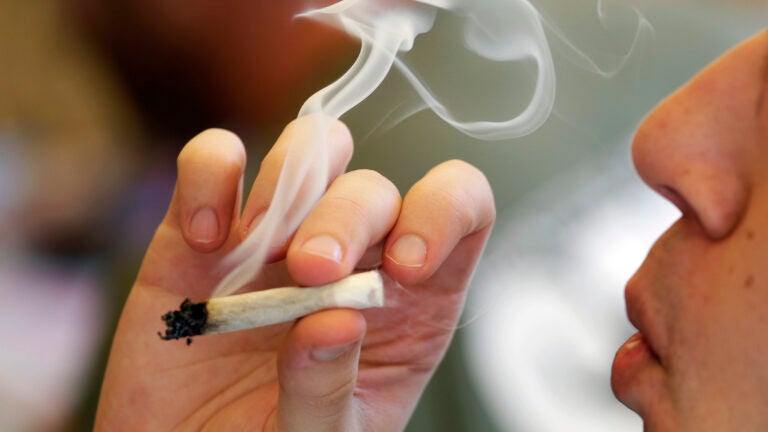
Commercialization of recreational cannabis sales in Massachusetts may be disproportionately affecting adolescents with psychiatric illnesses, a new study showed.
Teens suffering from psychiatric emergencies are much more likely to be cannabis users, and to have had cannabis-related disorders, since marijuana was legalized in Massachusetts, according to the Massachusetts General Hospital study.
The study, led by Dr. Cheryl Foo, analyzed more than 7,000 psychiatric emergency hospital visits before and after recreational cannabis sales began in Massachusetts.
“Most remarkably,” she said, “the 12- to 17-year-old age group, the teenagers, had the most significant increase in both cannabis use as well as cannabis-related disorders, compared to the other age groups after cannabis commercialization began.”
She continued, “That’s very concerning.”
Foo argued that increased availability, easier access, youth-targeted advertising, greater social acceptability, and accidental ingestion all partly contribute to this increase post-commercialization.
The findings are in contrast to the household surveys that suggested “kids are OK,” Foo said.
The surveys “didn’t match up with the clinical population that I work with,” Foo said.
Foo and her co-authors noted increases in amount of cannabis use across all age groups of people presenting with psychiatric emergencies, but the increase was most pronounced among teenagers, including those below the legal age.
That is concerning, Foo said, because early and frequent use of high-potency cannabis products can harm cognitive health and increase the likelihood of psychiatric disorders, including psychosis and schizophrenia spectrum disorders.
Through her work with young patients, Foo said she has learned that there are multiple ways for teens to obtain cannabis, including through friends who are adults, poorly regulated online dispensaries, black markets, social media, and unlicensed stores.
The hospital is also seeing more pediatric cases of accidental ingestion, as many cannabis products, like edibles and gummies, are engineered to be youth-friendly. “If a family member leaves it lying around, a child and a teenager can easily access that, too,” Foo said.
Prevention, she added, should start early, especially since the age of initiation is dropping. Foo said that caregivers — including family members, teachers, and pediatricians — should talk to adolescents about potential harms in a factual, evidence-based way.
She urged adults to watch for social withdrawal, sleep difficulties, anxiety, isolation, or perceptual changes as early warning signs of psychiatric emergencies that need intervention.
High-potency cannabis is also a significant factor. “What people were smoking at Woodstock in the 1960s was probably 3% THC versus now, on average, between 15% to 30%, sometimes even 60% THC,” Foo said.
The higher the potency, at a higher frequency, Foo said, the higher the risk is for psychiatric illnesses.
Cannabis can induce psychosis, Foo explained. For some, psychotic experiences like hallucinations and paranoia go away after stopping use. But for others, especially those with family histories of mental illness, cannabis can trigger chronic conditions, including schizophrenia, even years after initial use.
Advertising and media messaging tied to the commercialization also play a role.
“With the advertising, there’s a lot more misinformation and misinformed messaging around cannabis, too,” Foo said.
Advertising and marketing of cannabis can influence young adults by presenting the product as a solution for stress, anxiety, or sleep difficulties — even though research has not confirmed that it effectively addresses these issues.
Advertising, she added, normalizes use.
“We saw a similar problem with vaping, which started an epidemic in youth vaping with potential long-term consequences. We’re seeing the same thing with cannabis, too,” Foo said. “It’s not too late to start acting.”
In response to the study, a spokesperson for the Mass. Cannabis Control Commission said in a statement that the study incorrectly stated the number of marijuana retailers in the state, and showed “lack of a causal link between their opening and the purported increase in youth use.”
In addition, the commission said that even if THC positivity rates increased in pre-to-post commercialization timeframes, it “does not mean that the opening of regulated Marijuana Retailers caused this increase,” adding that it “could merely be a snapshot of an ongoing increase in youth use of cannabis.”
In response, Foo said the study shows post-commercialization of recreational cannabis was “associated” with an increased rate of cannabis use and cannabis-related disorder diagnosis.
Lastly, Foo said the study calculated the number of licensed retailers at the time using publicly available CCC data on its website, including medical stores. Foo said there are now 10 times more recreational cannabis dispensaries compared to the first year after commercial sales were legalized.
However, the commission said the study does not prove that cannabis commercialization causes harm.
While the findings suggest a possible negative impact on people with psychiatric conditions and point to an important area for further research, the spokesperson said, there is not enough evidence to conclude that such an impact definitely exists.
Lastly, the spokesperson said the commission “takes its mandate to uphold public health and safety seriously and continues to support this through its regulations, investigations and enforcement, public awareness resources, and the work of its Research Department, among other efforts.”
Sign up for the Today newsletter
Get everything you need to know to start your day, delivered right to your inbox every morning.
Search
RECENT PRESS RELEASES
Related Post