Michigan AG sues Big Oil over ‘cartel’ to suppress EVs, renewable energy
January 23, 2026
LANSING, MI – Michigan is suing some of the biggest oil companies in the world, alleging they acted as a “cartel” to maintain a grip on the market and suppress competition from renewable energy and electric vehicles.
The legal broadside brought by Attorney General Dana Nessel accuses BP, Chevron, Exxon Mobil, Shell and industry trade group American Petroleum Institute of a wide-ranging conspiracy that has harmed the climate and saddled Michiganders with higher prices.
“Michigan is facing an energy affordability crisis as our home energy costs skyrocket and consumers are left without affordable options for transportation. Whether you own a home, a small business, or run a large corporation, rising energy and transportation costs harm everyone,” said Nessel in a statement.
“These out-of-control costs are not the result of natural economic inflation, but due to the greed of these corporations who prioritized their own profit and marketplace dominance over competition and consumer savings.”
The 126-page complaint filed Friday, Jan. 23 in U.S. District Court for the Western District of Michigan details decades of alleged actions from the companies to keep oil and gas as Michigan’s primary sources of energy.
They amount to “one of the most successful antitrust conspiracies in United States history,” it says.
The lawsuit joins others from cities and states across the country that have sued oil corporations for their role in covering up knowledge of climate harms from fossil fuels. Industry lobbyists have pushed for broad immunity against the legal attacks.
“These baseless lawsuits are a coordinated campaign against an industry that powers everyday life, drives America’s economy, and is actively reducing emissions. We continue to believe that energy policy belongs in Congress, not a patchwork of courtrooms,” said American Petroleum Institute Senior Vice President and General Counsel Ryan Meyers in a statement.
Rather than solely focusing on environmental harms from climate change, Nessel has framed the new lawsuit as an affordability play.
The suit claims the oil companies colluded to keep cheaper renewable energy technologies on the margins, violating federal and state antitrust laws.
The tactics included “capture-and-kill” strategies to buy renewable energy patents and shelve them, abandoning research into batteries and hybrid vehicles and deliberately misleading the public about the risks of unrestrained fossil fuel use, the lawsuit alleges.
It also singles out campaigns to allegedly influence university research and control academic publications, discrediting studies about the severity of climate change.
As early as the 1950s, some of the companies’ internal research revealed serious harms stemming from continued burning of oil and gas, and by the 1970s they had “extensive evidence” linking their products to irreversible negative effects around the globe, the suit claims.
But they instead spent decades seeking to undermine the link between climate change and fossil fuels, treating clean energy as a competitive threat in a conspiracy dating back to 1979, the complaint alleges.
The new lawsuit has been in the works for months.
In May 2024, Nessel announced she was seeking outside attorneys to pursue litigation against the fossil fuel industry to help recoup expenses caused by climate change, a major driver of increasingly extreme weather and natural disasters.
The attorney general’s office eventually hired a trio of law firms: Sher Edling LLP, DiCello Levitt LLP and Hausfeld LLP. They are retained on a contingency basis, meaning they won’t be paid by the state, and any compensation can only come from financial relief awarded as part of the litigation.
The decision to take Big Oil to court sparked industry and political pushback.
In 2024, a slew of Michigan business groups, including those representing oil and gas interests, called Nessel’s efforts a “dangerous and inappropriate use of a state office to attack and demonize Michigan businesses,” saying it “would have a negative and chilling effect on the state’s entire economy” in an open letter.
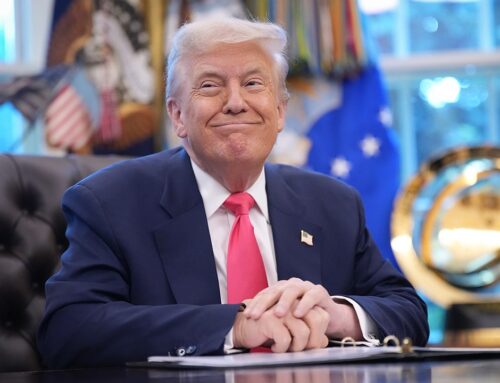
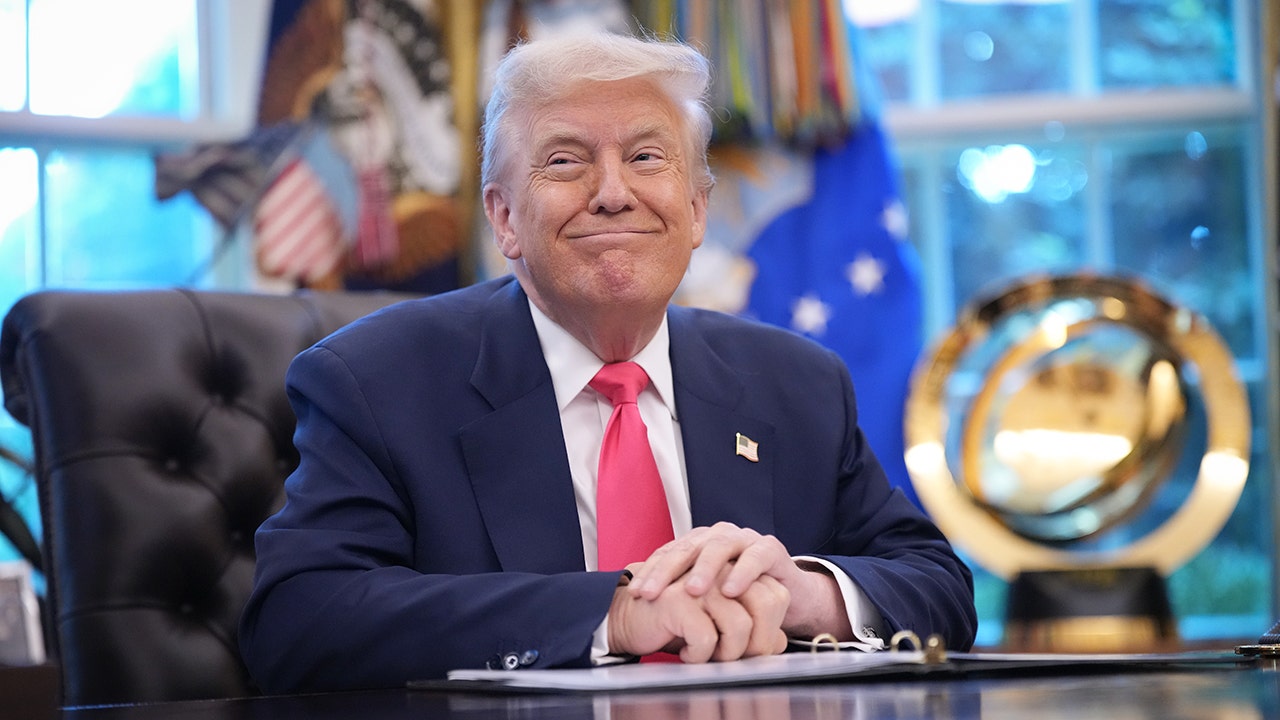
President Donald Trump’s administration sued Michigan in April 2025 seeking to preemptively block the anticipated lawsuit. That case is still pending in federal court.
Trump’s return to the White House has come with pledges to ramp up American oil and gas production and attacks on renewable energy.
Nessel, a Democrat whose term is up at the end of 2026, has fought some of those federal actions in court, and claims in the lawsuit that renewables and EVs could cut costs for consumers in a state that contends with high energy costs.
They would have been more prevalent already if not for the oil companies’ efforts to suppress the technologies and limit EV charging networks, the lawsuit claims.
“In the world that would have existed but for Defendants’ conspiracy, EVs would not be a fringe technology or a luxury alternative. They would be a common sight in every neighborhood — rolling off assembly lines in Flint, parked in driveways in Dearborn, charging outside grocery stores in Grand Rapids, and running quietly down Woodward Avenue,” the complaint states.
The lawsuit seeks an unspecified amount of financial damages, civil penalties and the forfeiture of profits from the oil companies as well as an injunction putting an end to their alleged “anticompetitive conspiracy.”
Search
RECENT PRESS RELEASES
Related Post