MITEI’s Future Energy Systems Center starts six new research projects to enable a decarbonized future
March 23, 2026
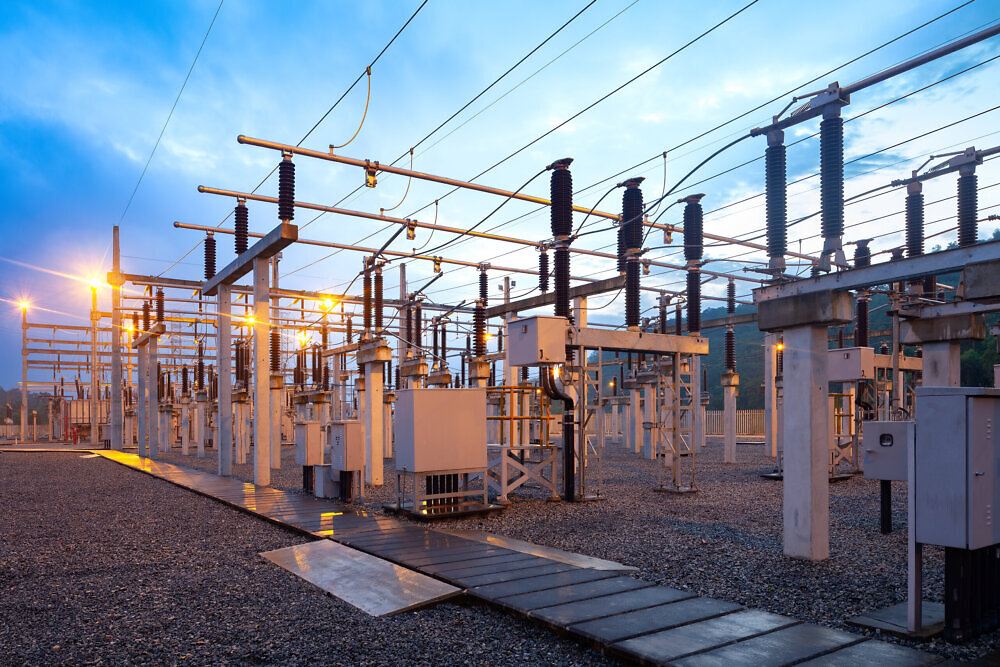
Jose Luis Stephens/Adobe Stock
The MIT Energy Initiative’s (MITEI) Future Energy Systems Center will fund six new projects, with topics ranging from sodium-metal batteries to co-designing low-carbon power plants. The selected projects will receive a combined total of $1.05 million in funding.
With these new projects included, the Future Energy Systems Center has supported a total of 69 projects led by MIT faculty and research scientists since 2021. As MITEI’s industry research consortium, the Center conducts integrated energy system analyses to provide insight into the technology, policy, and economics behind the evolving energy landscape—drawing from both traditional energy-related disciplines and cross-disciplinary fields.
This was the Center’s eighth round of project selections, which are selected twice a year by a Steering Committee comprised of MIT faculty members based on nominations from Center member companies, project impact, and balancing of the Center’s portfolio. Center projects have resulted in the publication of 76 peered review papers and informed a wide range of next-stage research projects. MITEI will host kick-off meetings for each of these new projects at the Center’s Spring 2026 workshop.
Brief descriptions of each of the new projects follow.
Building-grid operation and planning
Residential buildings in the United States with heat electrification can strain grid capabilities and impact electricity rates, necessitating better operation and planning guidance for homeowners, policy makers, and utilities. This project is focused on:
- Working with contractors, homebuilders, and utility programs on practical and affordable solutions that limit year-round load demand. Investigated technologies will include building envelope upgrades, dual fuel heating systems, behind-the-meter electric vehicle charging/discharging approaches, as well as demand aggregator programs.
- Creating a flexible socio-techno-economic planning tool for coordinated and affordable building-grid operations.
- Analyzing the potential impact of widespread demand management technologies vis-à-vis grid capacity build-up in case study regions in the midwestern and northeastern United States.
PIs: Christoph Reinhart, professor of architecture, Pablo Duenas-Martinez, research scientist at MITEI, and Deep Deka, research scientist at MITEI
Co-designing gas turbines and carbon capture
If natural gas power plants and carbon capture systems are co-designed to run as one integrated system, their individual trade-offs can be addressed while optimizing their ability to provide low-carbon power together. This project is focused on:
- Developing and validating an integrated model of a natural gas power plant and carbon capture system that captures key interactions under variable operation.
- Optimizing plant design and operating strategies (e.g., heat integration and exhaust recycling) to reduce energy use and total electricity cost while meeting emissions targets.
- Delivering practical design guidelines and policy-relevant insights to enable affordable, reliable, low-carbon flexible power.
- Generating practical recommendations for strategies that governments and practitioners can adopt to mitigate the primary market failures and increase the net benefit of electrification.
PI: Sungho Shin, assistant professor of chemical engineering
Data-driven industrial carbon capture
More accurate cost and performance estimates for industrial carbon capture are needed to inform real-world deployment in hard-to-abate industries, like cement, steel, and blue hydrogen. This project is focused on:
- Developing carbon capture costs and performance estimates grounded in real project experience.
- Creating inputs for a decision maker-oriented dashboard that communicates cost ranges, uncertainty, and key drivers.
- Improving alignment between carbon capture and storage academic research, industry needs, and policy discussions.
PIs: Elsa Olivetti, Climate Project mission director and professor of materials science and engineering, and Randolph Kirchain, principal research scientist at the Materials Research Laboratory
Direct lithium extraction
Direct lithium extraction (DLE) technologies that pull lithium directly from local brines are on the rise to aid efforts in reducing reliance on the lithium supply chain dominated by China. This project is focused on:
- Developing a robust technoeconomic analysis framework for comparing the various types of direct lithium extraction technologies, backed by experimental analysis.
- Deploying a publicly available Tableau dashboard comparing the cost and performance of different DLE technologies in different settings to enable policy makers to make educated decisions on which projects to support in their region.
- Providing a clear framework for what targets need to be hit for novel lithium production methods to be compelling.
PI: Yogesh Surendranath, professor of chemistry
Pathways for long-duration energy storage
Long-duration energy storage (LDES) can facilitate the decarbonization of the broader economy by supporting the integration of variable renewable energy into the grid, but significant challenges remain for the development and deployment of LDES technologies. To support the advancement of these crucial technologies, the Center has identified LDES as a strategic priority. This project is focused on:
- Developing high-fidelity technoeconomic models for the leading LDES technologies, capturing non-linear performance, degradation, and physical constraints.
- Surveying revenue streams and regulatory barriers across United States Independent System Operators and Regional Transmission Organizations to understand market access difficulties for LDES.
- Simulating LDES technology-grid combinations to determine the cost/performance tipping points required for commercial viability and quantify social value.
PIs: Ruaridh Macdonald, research scientist at MITEI, and Asegun Henry, professor of mechanical engineering
Sodium battery innovations
Sodium-metal batteries are a low-cost, high-energy-density form of energy storage with the potential to compensate for future lithium shortages, but they require further fundamental research before commercialization is possible. This project is focused on:
- Identifying the performance thresholds sodium-metal batteries must achieve to become competitive in specific sectors and geographies.
- Simulating cost metrics under different growth scenarios, supply conditions, and fundamental cell level improvements.
- Providing clear research priorities that link laboratory advances to large-scale energy system impact to streamline research and align R&D and industry.
PI: Yang Shao-Horn, professor of mechanical engineering
Search
RECENT PRESS RELEASES
Related Post