Moore Unveils $100M Plan For Energy Rebates And Clean Energy Projects
February 5, 2026

ANNAPOLIS, Md. — Gov. Wes Moore has unveiled a major new push aimed at helping Maryland families and communities cope with rising utility costs while accelerating the state’s clean energy transition. As part of the 2026 legislative package known as the Lower Bills and Local Power Act, Moore’s plan would set aside approximately $100 million in additional utility bill rebates and a slate of renewable energy and grid modernization incentives, adding to the state’s growing portfolio of energy affordability measures.
The rebate dollars would come from the state’s Strategic Energy Investment Fund, a pool that reinvests fees and payments collected from utilities to support energy efficiency, renewable generation and ratepayer relief. Under the proposal, Maryland families would be eligible to receive a new round of direct utility bill rebates scheduled for distribution in fall 2026, in addition to the $200 million in electricity bill refunds already authorized last year through the Next Generation Energy Act.
Moore and his team argue that the combination of rebates and incentives is necessary to address the twin pressures of rising energy costs and the transition to a cleaner grid. Rising utility bills have become a major concern for households across the state as energy prices have climbed and infrastructure challenges strain reliability. The governor has framed energy policy as a matter of both affordability and fairness, saying residents shouldn’t have to choose between basic living expenses and keeping the lights on.
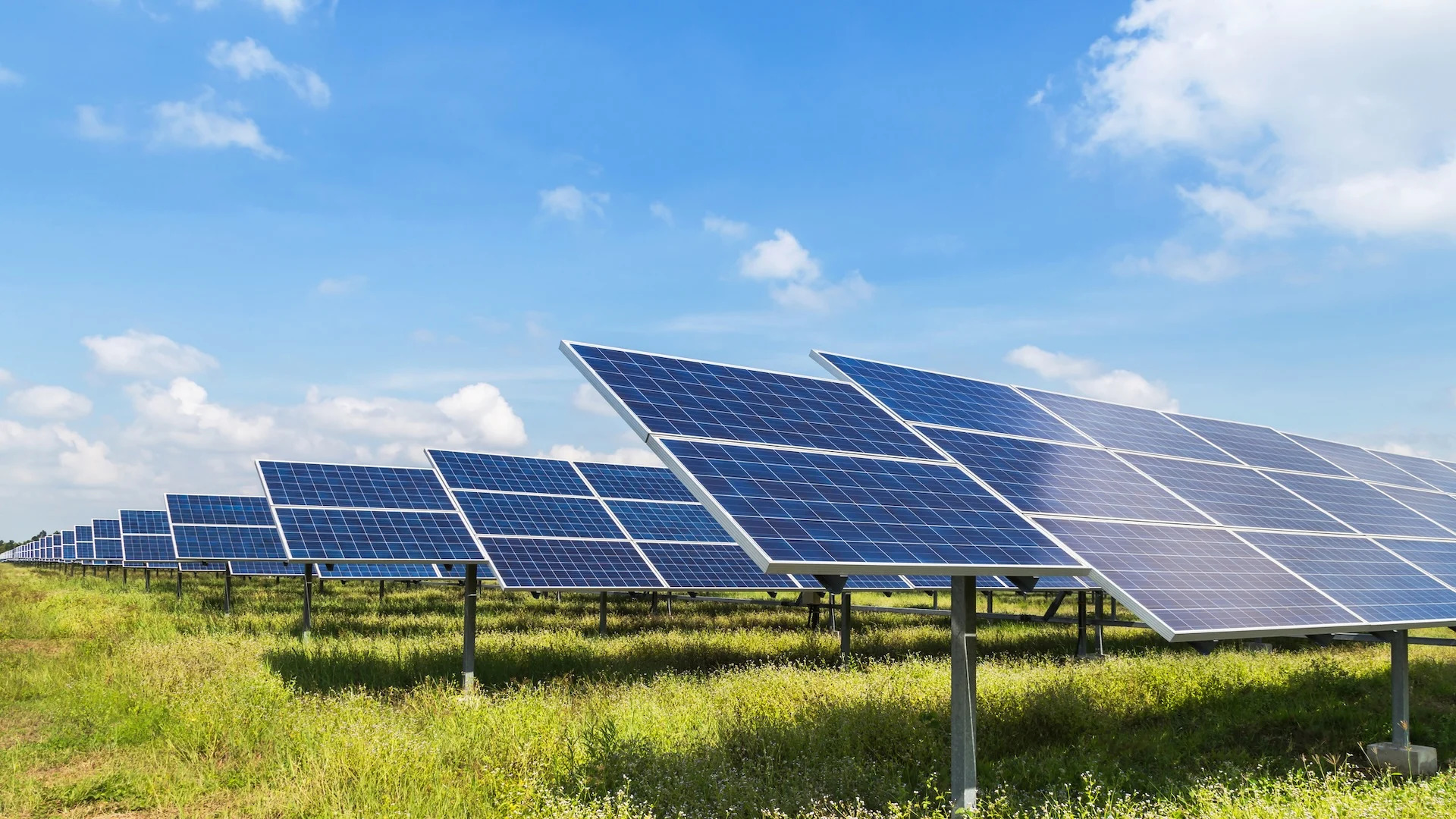
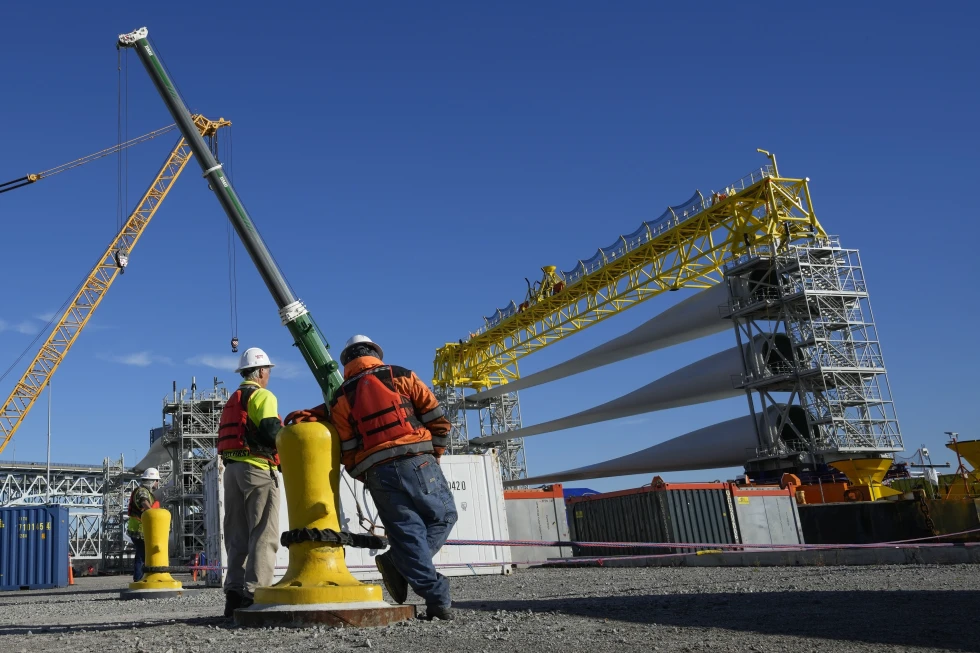
In addition to the direct rebates, the Lower Bills and Local Power Act would launch several initiatives aimed at supporting local clean energy projects and grid improvements. Among these is a proposed $70 million Solar and Energy Storage Gap Financing Program that Moore’s administration says would help jump-start community solar, battery storage and other renewable generation projects. The legislation also includes grid modernization provisions that would require utility companies to prioritize advanced transmission technologies and increased capacity before seeking approval for new line construction.
The rebate and renewable incentive proposal now heads to the General Assembly, where lawmakers will review and likely amend the legislation during this year’s session. How much of the governor’s plan survives intact will depend in part on negotiations over priorities such as energy assistance, grid resilience and broader budget constraints confronting the state in the 2026 and 2027 fiscal years.
Got a tip or photo? Text us at 888-871-NEWS (6397) or email news@thebaynet.com.
Join The BayNet Membership for exclusive perks and zero ads.
Don’t miss a story—sign up for our newsletter!
Search
RECENT PRESS RELEASES
Related Post