New England Cannabis Convention attendees weigh in on federal policy shift
April 24, 2026

New England Cannabis Convention attendees weigh in on federal policy shift
The industry has grown since the legalization of marijuana in Massachusetts.
At the New England Cannabis Convention, the Trump administration’s move to ease restrictions on medical marijuana was causing a major buzz.
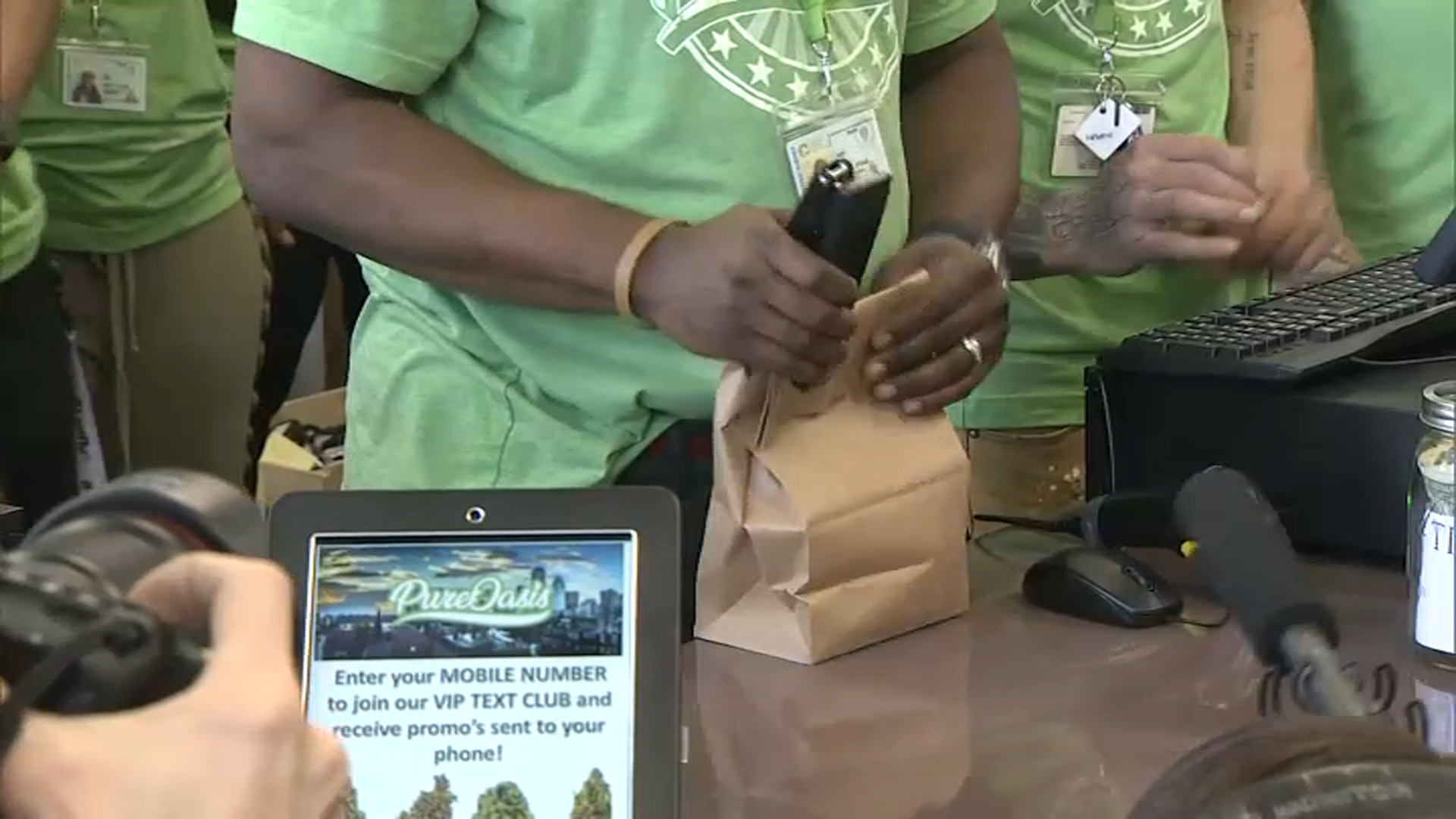
Growers, sellers and other cannabis businesses are gathering in Boston this weekend for the New England Cannabis Convention.
The convention shows how much the industry has grown since Massachusetts began decriminalizing marijuana over a decade ago.
 WATCH HERE
Now, the federal government is reclassifying medical marijuana from a Schedule I drug to Schedule III, meaning instead of being classified among drugs like heroin, its considered a less dangerous drug, easing restrictions.
“It’s been far too long, and it’s time that we look at the plant with a fresh set of eyes,” said Ellen Taylor Brown, who teaches cannabis compliance training in Massachusetts with Green Path Training.
She says this change opens the door for more research.
“It’s so important, because cannabis does have that medicinal value, and cannabis does need to be studied. Not just the anecdotal evidence that we have currently, but pub med studies, research, and that can only be done by rescheduling and eventually descheduling,” she said.
Reclassifying would also provide tax relief for medical marijuana businesses.
“Currently, a cannabis business really struggles to get a loan from a bank or from any other traditional lending agent. They’re not able to open up credit cards, and then the tax deductions on business expenses, they’re not allowed to make, things like rent, things like labor costs, make it very difficult to operate a business,” said Lucas Thayer, clerk of the Massachusetts Cannabis Reform Coalition.
“Schedule III doesn’t go far enough and would put cannabis into the hands of big businesses rather than small operators that have been thriving in the various states that have licensed cannabis programs,” said Thayer.
“I don’t see a benefit right now to the general consumer. It doesn’t seem to speak to what happens if you travel across state lines, the differentiation between medical vs. adult use, or what people call ‘recreational.’ I think there is a lot to unpack,” said Marc Rosenfeld, CEO of Commonwealth Cannabis Co. “I think it’s a good thing for the industry, anything that moves us towards more wider acceptance, and lets us operate like the licensed, law-abiding businesses that we are, can only be good.”


Search
RECENT PRESS RELEASES
Related Post