NGT judge reviews Ludhiana environment plan, stresses compliance
January 31, 2026
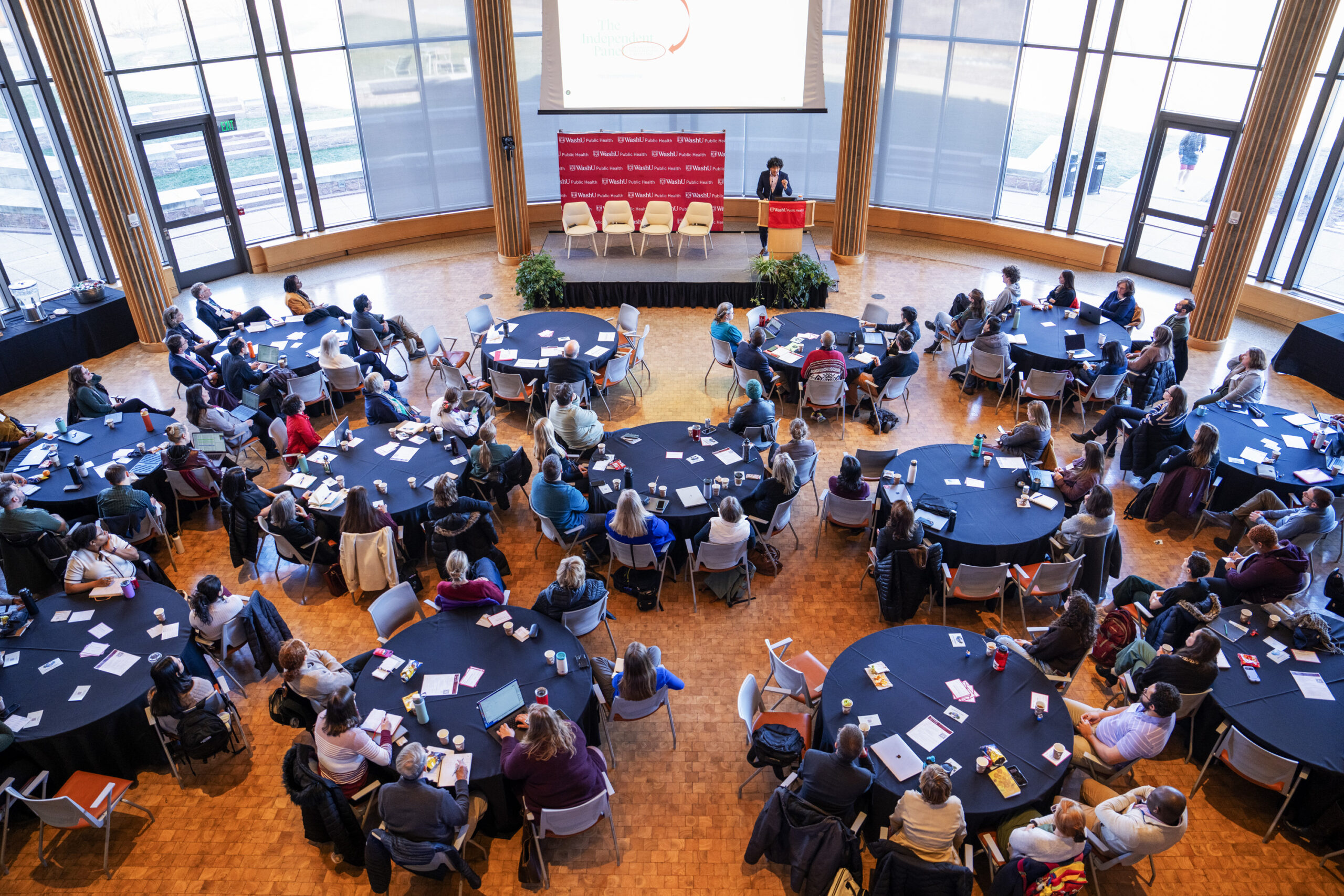
A high-level review meeting to assess environmental compliance and finalise Ludhiana’s District Environment Plan was convened on Saturday at Punjab Agricultural University (PAU), chaired by Afroz Ahmad, member and judge of the National Green Tribunal (NGT), New Delhi.

Senior officials from the municipal corporation, Ludhiana, Punjab Pollution Control Board (PPCB), health department, district administration and other stakeholder departments attended the meeting. The deliberations focused on adherence to NGT judgments and directives regarding the formulation and implementation of the District Environment Plan.
The meeting undertook a detailed review of key environmental projects. Officials examined municipal solid waste management, emphasising segregation at source, processing and scientific disposal of legacy waste. Progress on bio-remediation measures, adopted methodologies and timelines for old waste disposal were evaluated, with departments instructed to ensure time-bound and results-oriented execution.
Domestic sewage management and the operational performance of sewage treatment plants (STPs) were also reviewed. Ahmad stressed that treated wastewater should be repurposed for irrigation and other non-potable uses to conserve freshwater resources. Additional environmental concerns, including biomedical waste, e-waste, plastic waste, construction and demolition debris, and noise pollution, were discussed comprehensively.
Industrial compliance, particularly regarding common effluent treatment plants for dyeing and electroplating industries, was reviewed, alongside identification of environmental hotspots and preparation of targeted mitigation plans. On biomedical waste, the NGT member directed the Health Department to conduct random inspections of hospitals and healthcare facilities to ensure strict adherence to prescribed rules.
Infrastructure projects were instructed to allocate at least 11% of total area as green space, while mining activities were mandated to proceed only after obtaining mandatory consents from the PPCB. The Pollution Control Board was also tasked with formulating an action plan for effective utilisation of Corporate Social Responsibility (CSR) and Corporate Environment Responsibility (CER) funds.
Ahmad lauded the initiatives undertaken by the civic body and other departments and underscored the need for coordinated efforts to ensure full compliance with NGT directives in letter and spirit.
Search
RECENT PRESS RELEASES
Related Post