Of piers and oceans: Why VCs are not the explorers they think they are
June 2, 2026
Not long ago, I stumbled upon a classic tech Twitter “humblebrag” on X. A respected venture capitalist was waxing poetic about the history of our profession, drawing a straight line between the early 20th-century polar expeditions of famed explorers Ernest Shackleton and Roald Amundsen and the modern venture capital industry.
The argument was clean and seductive: then, as now, restless innovators teamed up with wealthy backers to fund perilous journeys into the unknown, exchanging capital for a slice of the commercial upside, media rights, and national glory.
It sounds romantic. It sounds heroic. And, above all, it is incredibly flattering to the person writing the check. But as an investor who transitioned to this side of the table from the entrepreneurial world, I found this narrative immediately triggered an unease. Diving back into these historical accounts, from Alfred Lansing’s Endurance to Stefan Zweig’s masterful biography of Magellan, I realized that while the analogy is technically accurate, it fundamentally misinterprets the moral and human reality of entrepreneurship.
The Founder as the Lone Survivor
Lansing’s Endurance, which chronicles Shackleton’s ill-fated Antarctic expedition, is widely taught as a masterclass in leadership. When his ship was crushed by pack ice, the original mission evaporated in an instant. Shackleton was forced to execute the most extreme pivot in human history: shifting from continental conquest to sheer survival.
As I reread the book, I actively searched for the venture capital parallel. It wasn’t there. The London financiers who bought “equity” in the voyage vanished from the narrative the moment the anchor was raised. They didn’t freeze in the dark, nor were they forced to make life-or-death decisions in a blinding fog.
Endurance remains a definitive guide for founders because it teaches how to function under absolute uncertainty and how to delegate under agonizing pressure, traits that reside deep within a person’s character, not within their bank account.
The Genetics of Risk
The entrepreneurial impulse is far older than capitalism. In Sapiens, Yuval Noah Harari notes that Homo sapiens was the only species willing to cross open oceans without any guarantee of a shore on the other side. It is an evolutionary, almost irrational drive.
This drive is on full display in Zweig’s Magellan. Ferdinand Magellan was no businessman; he was a man possessed by a vision. When the King of Portugal rejected him, he took his pitch to Spain. He wasn’t looking for funding in the dry, modern sense of the word; he was looking for an enabler to unlock his vision.
The empires of that era, Spain and Portugal, were effectively the mega-funds of the 16th century, but they were merely the infrastructure. Magellan is the one who died in the Philippines. His investors remained safe in the palace, counting the sacks of black pepper brought back by the sole surviving vessel.
Related articles:
An Investor’s Memento Mori
This is the precision missing from those self-congratulatory social media posts. In the modern VC landscape, it is easy for investors to delude themselves into thinking they are part of the expedition team. We love using the language of “partnership” and “shared journeys.” But the reality is far humbler.
The average VC is not a classic “capitalist” risking their own dynasty; they are a financial intermediary. We manage other people’s money, pension funds, institutional endowments, and family offices. We are a second-degree derivative of true creation.
Every time a founder sits across from me pitching an audacious idea, my internal voice, a personal memento mori shaped by sitting on both sides of the table, reminds me of the distinction: I am only the pier. The entrepreneur is the ocean.
Choosing an Investor – Bureaucrat or Captain?
Yet, precisely because the entrepreneur is the one sailing into the open ocean, the value of an investor is measured not by the depth of their pockets, but by who they are. This requires a critical distinction among venture funds.
Some funds are pure financial instruments, intermediaries whose contribution begins and ends with a wire transfer. On the other end of the spectrum are operator-led funds. These are investors who have previously stood on the deck, crossed oceans, and frozen in the ice themselves. An operator investor isn’t just a financier. They know how to help a founder provision the ship, recruit the right crew, and brace for extreme conditions. They won’t sail the ship for you, but they know exactly what an iceberg looks like up close.
Less Humblebrag, More Respect
It is time to return the glory to the true explorers. Venture capital is a fascinating, vital profession of identifying potential, but it is not the history of discovery itself; it is the enabling ecosystem that makes discovery possible.
To founders, I say: choose your investors based on their skill in helping you prepare the vessel, not just the size of their treasury. And to my fellow investors, I offer a gentle reminder: the next time you write a post about legendary explorers, remember that Shackleton didn’t need you to be a leader. He only needed you to buy the boat. Once it sailed, you stayed on the shore.
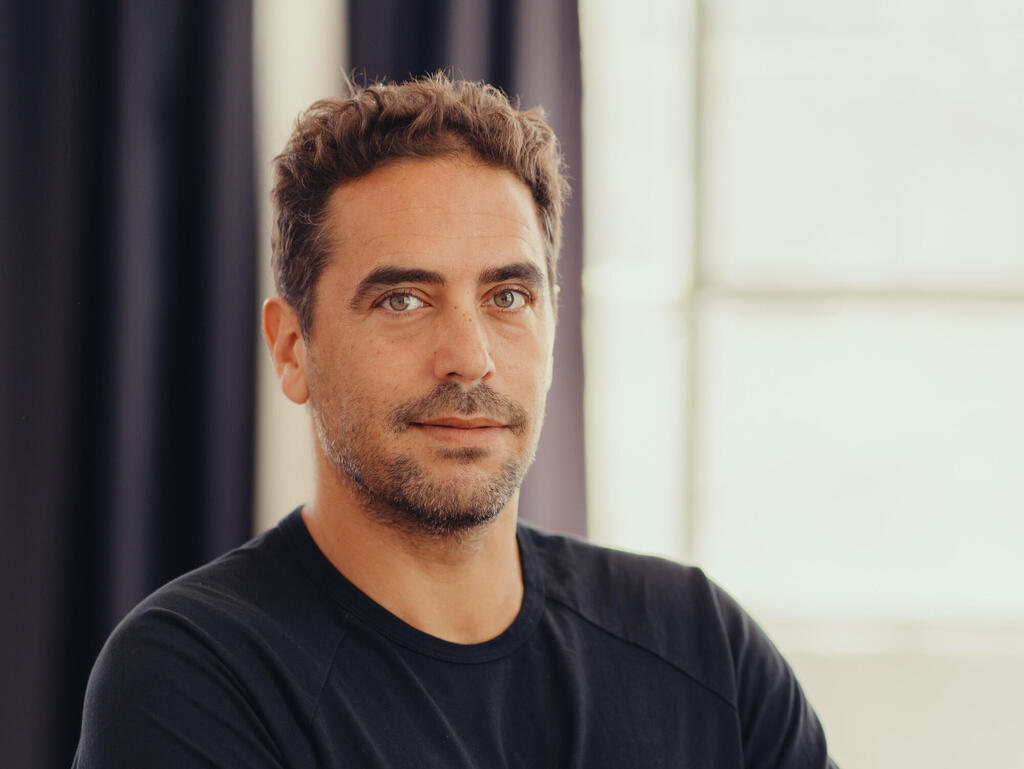
Haim Bachar is an investor at lool ventures, a VC specializing in early-stage startup investments.
Search
RECENT PRESS RELEASES
Related Post