Opinion: Achieving Amherst’s 2025 Climate Goals: How Are We Doing? Part 2
December 19, 2025
This column appeared originally in the Amherst Bulletin on 12/18/25. Read Part I here.

CAARP Actions and Strategies
The Amherst Climate Action, Adaptation and Resilience Plan (CAARP) organizes action and resilience strategies to meet our 2025 goals under five primary sectors: Buildings, Renewable Energy, Land Use and Natural Systems, Transportation and Infrastructure, and Governance and Communications. Each sector lists specific actions, which are assigned relative impacts on emissions reductions (low/medium/high) and supporting principles like equity, economic justice, and resilience.
Buildings
Top actions in the buildings sector are to implement rating systems and improvement plans for rental properties, conduct energy benchmarking for commercial buildings, and require energy efficiency disclosures at sale for residential property. These actions, especially those targeting large buildings and rental stock, are projected in the plan to have a high effect on reducing emissions due to Amherst’s significant building emissions profile.
The Town Council adopted the Property Assessed Clean Energy Program (PACE) but little else has been done to incentivize landlords or businesses to implement energy efficiency programs in existing buildings. Thus those emission reductions remain unrealized.
The CAARP calls for electrification of buildings to accelerate conversion from fossil-fuel heating/cooling to electric systems and enforcement of zero energy standards for municipal buildings. Both are considered high-impact measures, especially as electrification will significantly reduce overall building emissions as the electricity grid becomes cleaner.
The upcoming nearly completed Amethyst Brook Elementary School is our only zero energy municipal building to date. The Jones Library expansion project is projected to be “net zero ready” but does not have a plan as of now to source its renewable energy off site. The council also adopted a specialized opt-in energy building code in 2023 for new construction requiring a higher level of energy efficiency than the base code.
Renewable Energy
Using community choice electricity aggregation as a strategy was identified in the CAARP as having a high mitigation potential. Valley Green Energy (VGE) was launched last year jointly among Amherst, Northampton and Pelham, to offer more renewable energy in our local mix. VGE is now considering forming a Joint Powers Entity, to enable more innovative programming, locally owned, sourced and controlled renewables and a community advisory committee.
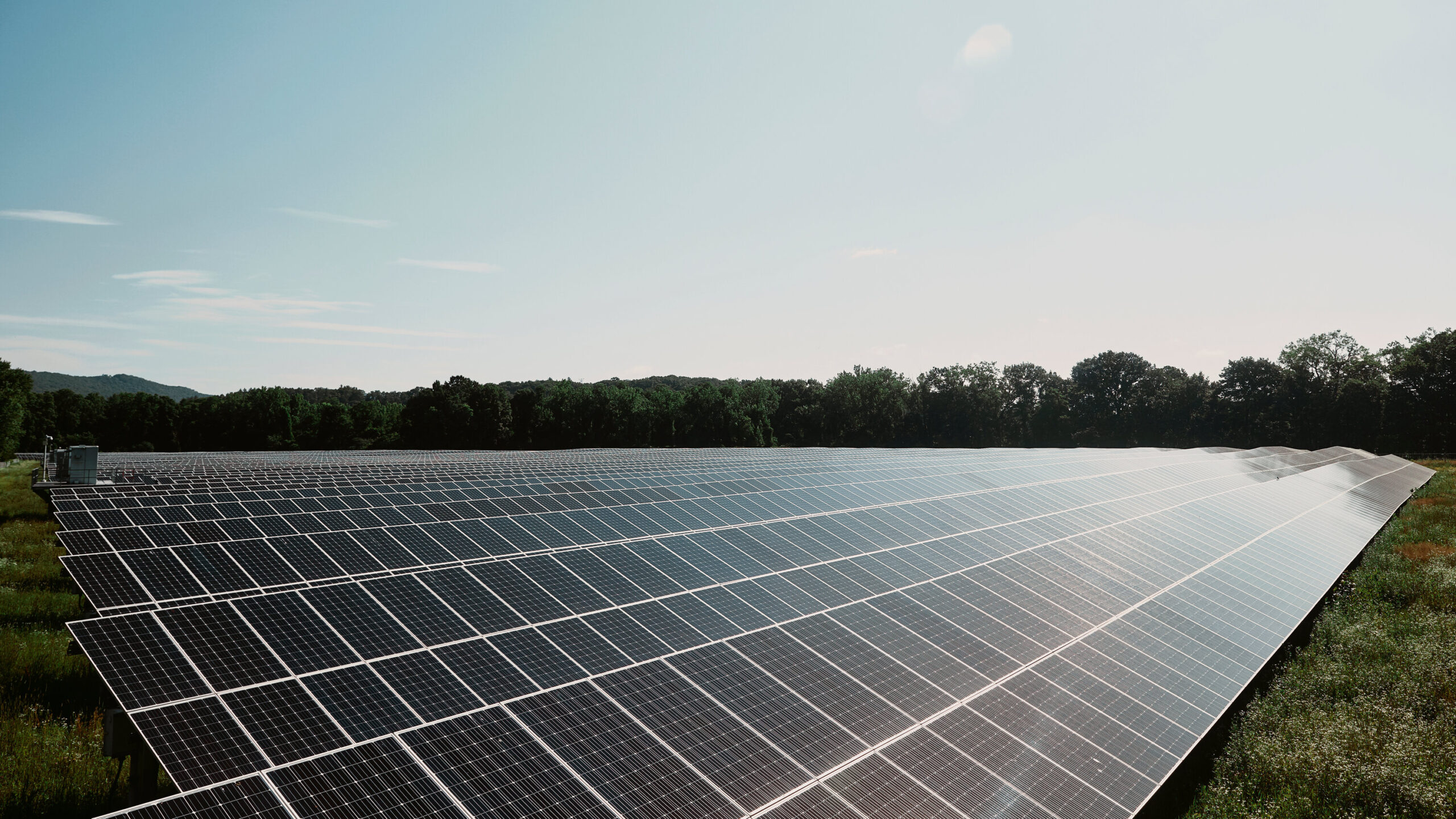
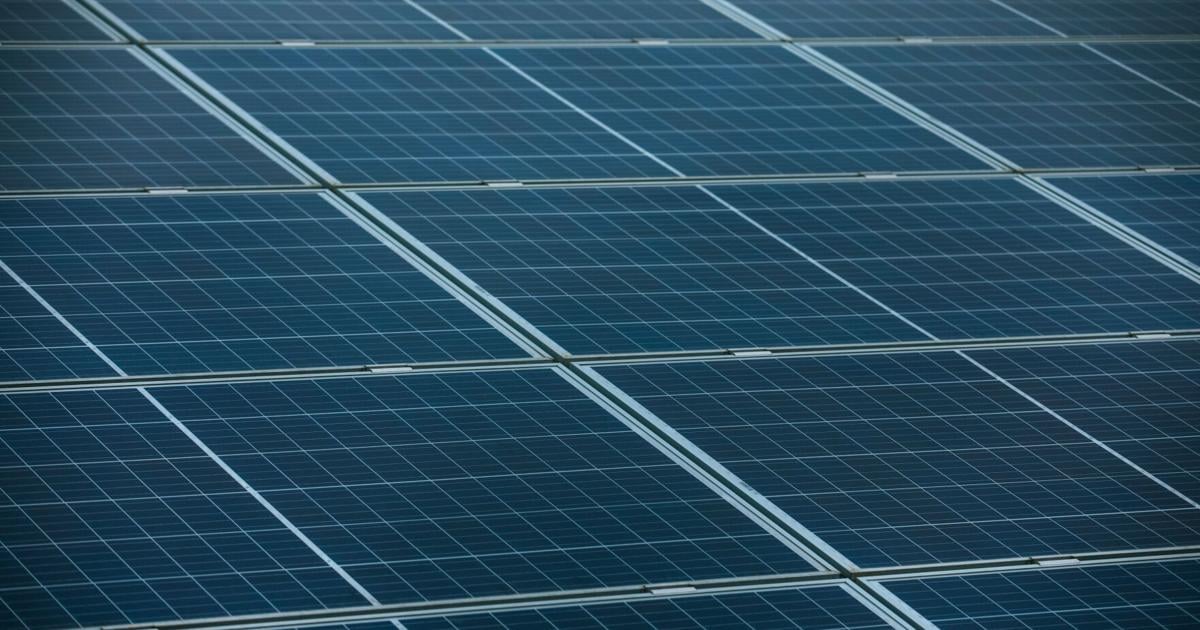
The CAARP also proposes increasing local renewables by increasing incentives, streamlining permitting, and supporting group-purchase programs for rooftop solar or shared community solar. The town has not yet adopted a solar zoning bylaw after two years of discussion, and has not supported resident group purchase of rooftop or community solar except in its original Solarize Amherst program in 2014 and on its Sustainability Dashboard. A Valley Green Energy Joint Powers Entity could go a long way to realizing these goals, if enacted.
Transportation and Infrastructure
On transportation, the CAARP recommends expanding safe walking/biking infrastructure and public transportation. The town has implemented the Valley Bike Share program and added some bike lanes. It has yet to adopt a bicycle and pedestrian plan that was in the works for many years in the Transportation Advisory Committee (TAC), and has yet to improve bus transportation.
The CAARP urges accelerating the transition to electric vehicles. We have significantly delayed our municipal transition to EVs. We do have 14 chargers in public parking lots that help especially downtown staff, renters and travelers to Amherst.
Land Use and Natural Systems
The CAARP calls for protecting open space, increasing tree canopy, and enhancing stormwater management which play a vital role in resilience. To my knowledge, we’ve done so over time. The Hickory Ridge Conservation Area took shape this year. The Public Shade Tree Committee adds trees to the town every year and is a tremendous asset to the community. We have not yet seen a final solar bylaw that will protect forested land.
Other goals of the CAARP include implementing practices such as supporting soil health improvements, local food systems, and composting. The town hasn’t implemented any programs on land use practices, though it is seriously considering a waste hauler reform program that could significantly reduce town waste by using a town contract with the hauler that would require a pay as you throw fee structure and curbside compost pick up. The town has significantly delayed getting a cost analysis but one may now be in the works.
Governance and Communications
The CAARP calls for establishing a BIPOC-led Equity Action Advisory Committee and ensuring broad representation in climate action planning and decision-making.
In November, the Energy and Climate Action Committee of the town submitted a very commendable annual report back to the Town Council on 2025 actions and recommended actions for 2026. Its message underlines the urgency to act that we see all around us.
The town has a tight budget but preparing to be climate resilient and finding the funding and staffing to do so needs to be on the top of the list. Using a climate lens in all our decision-making and goal setting is key to making it work. Let’s staff up and allow Amherst to fulfill its climate goals.
Darcy DuMont is a former town councilor and sponsor of the legislation creating the Amherst Energy and Climate Action Committee. She is a founding member of Zero Waste Amherst, Local Energy Advocates of Western MA, and a non-voting member of Valley Green Energy Working Group. She can be contacted at dumint140@gmail.com.
Search
RECENT PRESS RELEASES
Related Post