Opinion | End energy monopolies to counter rising energy costs in Michigan

December 8, 2025

The cost of living is too high for the vast majority of Michiganders. Energy rate hikes are making it even harder to make ends meet. Like the robber barons of the late 19th century, utility power companies like DTE and Consumers Energy are energy monopolies. They control where our energy comes from and how much we pay for it. Ratepayers don’t have a seat at the table. These companies are trying to block legislation and investment that would allow communities to have a say through initiatives like Community Solar and we expect their fierce opposition to the newly introduced Ratepayer Bill of Rights

A woman smiling while standing or sitting in front of a microphone.
Denise Keele is the executive director of the Michigan Climate Action Network. (Courtesy photo)

We’re at the mercy of energy corporations that continue to raise rates even while bill assistance programs, tax credits and investment in renewable energy disappear. People are keeping their homes at an unsafe temperature to save on their energy bill. Some households use their gas stove or oven to provide heat, increasing indoor air pollution. Too many Michigan households are being forced to choose between paying the rent or utility bills, or to go without food and medicine. Failure to pay utility bills can lead to a shutoff of electricity or gas which can be grounds for eviction, exacerbating our housing crisis and increasing homelessness.

Those impacted most by rising energy bills are low and middle income, rural households, renters and mobile home owners, older adults and people of color. Energy bills often spike in the hottest and coldest months — we Michiganders experience both extremes, increasing energy insecurity and leading to risk of nonpayment and utility disconnections. Meanwhile, funding for bill assistance is running out. The Michigan Energy Assistance Program (MEAP), had reportedly already exhausted their $54.5M award for 2025 by May, and LIHEAP (a federal program to provide assistance with cooling and heating bills) had their entire staff fired in April by the Trump administration.  

Let me highlight two cases featured in local media. According to a story by Outlier Media, Shari Arrington was behind on bills after two family deaths. She needed $1,400 to keep electricity on. She applied for emergency help from the State Emergency Relief Fund and got $500, then called four other assistance programs, but all of them were out of money before their funding renewals. DTE shut off her power. Planet Detroit tells the story of Tanisha Humphrey, who works in billing for a public service company and struggles to pay her utilities. Tanisha’s electricity was shut off by DTE twice in six months. She contacted six agencies for assistance and all were out of funds early. 

Investor-owned utilities like DTE and Consumers Energy continue to jack up our rates. The Michigan Public Service Commission regularly rubber stamps utility company rate hikes. As Attorney General Nessel notes, utility companies should prioritize keeping rates affordable and service reliable for Michigan ratepayers, not increasing shareholder profits and executive salaries. According to a forecast by the climate policy think tank Energy Innovation, the federal “One Big Beautiful Bill” (OBBB), which repealed key clean energy tax credits, is expected to raise electricity rates by 8 to 15 percent for residential, commercial, and industrial consumers in Michigan. 

Data centers are driving additional rate hikes in communities across the country, including Michigan. Experts say they could potentially raise the wholesale cost of electricity by 20% in Washtenaw County where there are three proposed data centers and seven more under negotiation.

Measures such as bill assistance, disconnection protections and utility debt cancellation are a good place to start. But to achieve long-term affordable reliable energy, we must invest in home weatherization, efficient appliances, allow community solar and increase regulatory oversight and accountability for utility companies to limit the costs that can be passed on to customers. 

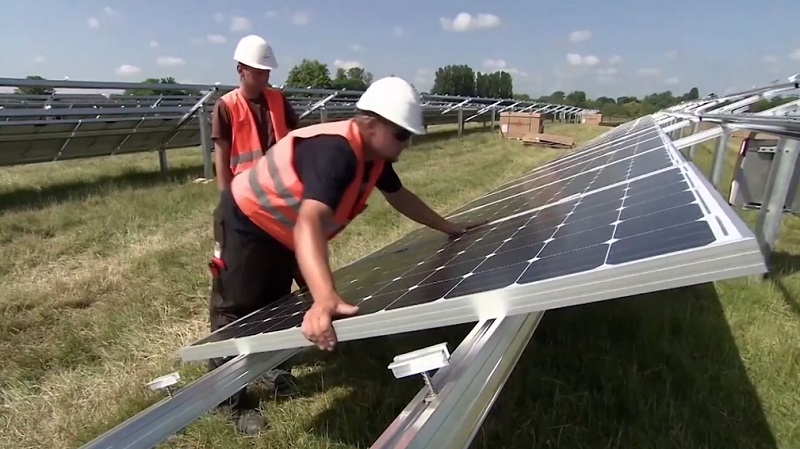
With so many Michiganders unable to shoulder the cost of essential energy, the time to act is now. State lawmakers can pass community solar and ratepayer protection bills. Communities and local elected officials can stand up to big tech data center developers and demand they pay their share and protect residents. The Michigan Public Service Commission can better reflect their mission and name by making utility companies more transparent and accountable to rate payers. Enabling local solar projects lowers bills, creates jobs, and expands renewable energy access to all Michiganders, increasing our resilience in the face of wildfires, severe storms, floods and heat waves.

Together, we can create energy democracy in Michigan, even in the shadow of attempts by the Trump administration and its billionaire backers to hobble democracy in America. Just follow the path forward mapped out by national environmental justice policy leaders at Just Solutions to counter corporate control by unlocking community solar and reforming utility oversight.

Creative Commons License

Republish our articles for free, online or in print, under our Republication Guidelines. Questions? Email republishing@bridgemi.com


Search

RECENT PRESS RELEASES

Opinion | End energy monopolies to counter rising energy costs in Michigan

December 8, 2025

The cost of living is too high for the vast majority of Michiganders. Energy rate hikes are making it even harder to make ends meet. Like the robber barons of the late 19th century, utility power companies like DTE and Consumers Energy are energy monopolies. They control where our energy comes from and how much we pay for it. Ratepayers don’t have a seat at the table. These companies are trying to block legislation and investment that would allow communities to have a say through initiatives like Community Solar and we expect their fierce opposition to the newly introduced Ratepayer Bill of Rights

A woman smiling while standing or sitting in front of a microphone.
Denise Keele is the executive director of the Michigan Climate Action Network. (Courtesy photo)

We’re at the mercy of energy corporations that continue to raise rates even while bill assistance programs, tax credits and investment in renewable energy disappear. People are keeping their homes at an unsafe temperature to save on their energy bill. Some households use their gas stove or oven to provide heat, increasing indoor air pollution. Too many Michigan households are being forced to choose between paying the rent or utility bills, or to go without food and medicine. Failure to pay utility bills can lead to a shutoff of electricity or gas which can be grounds for eviction, exacerbating our housing crisis and increasing homelessness.

Those impacted most by rising energy bills are low and middle income, rural households, renters and mobile home owners, older adults and people of color. Energy bills often spike in the hottest and coldest months — we Michiganders experience both extremes, increasing energy insecurity and leading to risk of nonpayment and utility disconnections. Meanwhile, funding for bill assistance is running out. The Michigan Energy Assistance Program (MEAP), had reportedly already exhausted their $54.5M award for 2025 by May, and LIHEAP (a federal program to provide assistance with cooling and heating bills) had their entire staff fired in April by the Trump administration.  

Let me highlight two cases featured in local media. According to a story by Outlier Media, Shari Arrington was behind on bills after two family deaths. She needed $1,400 to keep electricity on. She applied for emergency help from the State Emergency Relief Fund and got $500, then called four other assistance programs, but all of them were out of money before their funding renewals. DTE shut off her power. Planet Detroit tells the story of Tanisha Humphrey, who works in billing for a public service company and struggles to pay her utilities. Tanisha’s electricity was shut off by DTE twice in six months. She contacted six agencies for assistance and all were out of funds early. 

Investor-owned utilities like DTE and Consumers Energy continue to jack up our rates. The Michigan Public Service Commission regularly rubber stamps utility company rate hikes. As Attorney General Nessel notes, utility companies should prioritize keeping rates affordable and service reliable for Michigan ratepayers, not increasing shareholder profits and executive salaries. According to a forecast by the climate policy think tank Energy Innovation, the federal “One Big Beautiful Bill” (OBBB), which repealed key clean energy tax credits, is expected to raise electricity rates by 8 to 15 percent for residential, commercial, and industrial consumers in Michigan. 

Data centers are driving additional rate hikes in communities across the country, including Michigan. Experts say they could potentially raise the wholesale cost of electricity by 20% in Washtenaw County where there are three proposed data centers and seven more under negotiation.

Measures such as bill assistance, disconnection protections and utility debt cancellation are a good place to start. But to achieve long-term affordable reliable energy, we must invest in home weatherization, efficient appliances, allow community solar and increase regulatory oversight and accountability for utility companies to limit the costs that can be passed on to customers. 

With so many Michiganders unable to shoulder the cost of essential energy, the time to act is now. State lawmakers can pass community solar and ratepayer protection bills. Communities and local elected officials can stand up to big tech data center developers and demand they pay their share and protect residents. The Michigan Public Service Commission can better reflect their mission and name by making utility companies more transparent and accountable to rate payers. Enabling local solar projects lowers bills, creates jobs, and expands renewable energy access to all Michiganders, increasing our resilience in the face of wildfires, severe storms, floods and heat waves.

Together, we can create energy democracy in Michigan, even in the shadow of attempts by the Trump administration and its billionaire backers to hobble democracy in America. Just follow the path forward mapped out by national environmental justice policy leaders at Just Solutions to counter corporate control by unlocking community solar and reforming utility oversight.

Creative Commons License

Republish our articles for free, online or in print, under our Republication Guidelines. Questions? Email republishing@bridgemi.com


Search

RECENT PRESS RELEASES

Go to Top