Orleans County town fights industrial solar project
February 9, 2026
An industrial solar project proposed for a longtime hayfield in Lowell has become the subject of controversy in the small town.
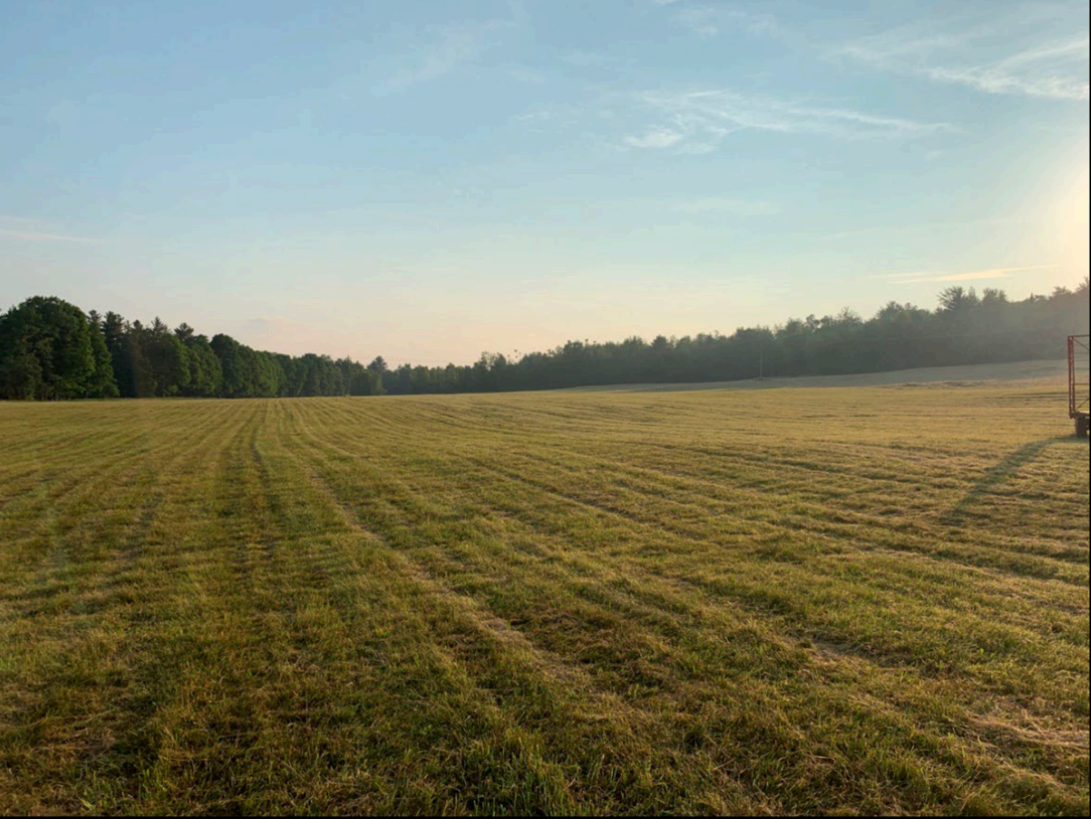
Located directly across the street from Lowell Graded School, the 44-acre plot has been in agricultural use for over a century, townspeople say. The V-shaped field is relatively flat and is bordered by forest and a handful of residences, as well as an electrical substation. It’s also close to the center of the Northeast Kingdom town, near the “Four Corners” intersection of scenic byway Route 100 and Route 58.
Manchester-based developer MHG Solar is looking to install approximately 14,000 solar panels on 27 acres of the field. If the project is approved, the power from the panels would be sold to Vermont Electric Co-op, which would also use the renewable energy credits from the project to meet its obligations under the state’s renewable energy standard.
However, some Lowell residents take issue with that proposal, maintaining that there are better uses for the space than a massive renewable energy project.
“I understand that Vermont has an agenda, that Vermont wants renewable energy by 2030. I get it,” resident Erin Josey said at the state’s public hearing on the solar proposal in mid-December. “But I feel like, for Lowell, we have one space in our village that we could even think about developing responsibly at some point.”
The town’s select board unanimously opposes the project, as does the Northeast Vermont Development Association, both stating that the planned solar installation does not align with the town and regional plan. However, the townspeople are split: A recent vote on raising funds for a lawyer to help fight the project resulted in a tie — 86 to 86.
Select board Chair Jennifer Blay is leading the board’s fight against the project.

“Our town is very divided,” she said following the vote, explaining that some who voted no think the town shouldn’t interfere with the project because people should be able to do whatever they want with their land. Moreover, the family that has offered to sell the land to MHG Solar is “super loved and respected” in the community, she said.
Others voted against raising up to $50,000 for legal fees because they don’t want to see their taxes go up, Blay said, or they believe their opposition is unlikely to get a fair chance in the approval process.
“I feel like it’s so unfair and wrong that people feel like they have to give up before they even start because the odds are stacked against you,” Blay said.
The field’s future lies before the Public Utility Commission, a three-member quasi-judicial body that regulates Vermont’s utilities and the siting of energy projects through a litigated process. The ultimate purpose of the PUC’s decision, according to a guide to the process, is to “determine whether a proposal will serve the long-term public good of the State of Vermont and its citizens.”
According to the commission’s schedule, questioning and testimony on the project will occur through the end of April, after which an evidentiary hearing will be held. Thomas Hand, co-founder of MHG Solar, has said construction needs to begin by July for the project to qualify for soon-expiring federal tax credits.
Following the split vote, the Lowell select board found unallocated funds in the budget and authorized spending up to $10,000 for legal fees, draft meeting minutes show. Blay said she would be doing the bulk of the work to fight the project herself but plans to use the lawyer as a resource and for possible representation later in the process.
“We’re trying to make everyone happy, but I don’t know that we will,” she said.
The town is also accepting donations for its legal representation.
READ MORE
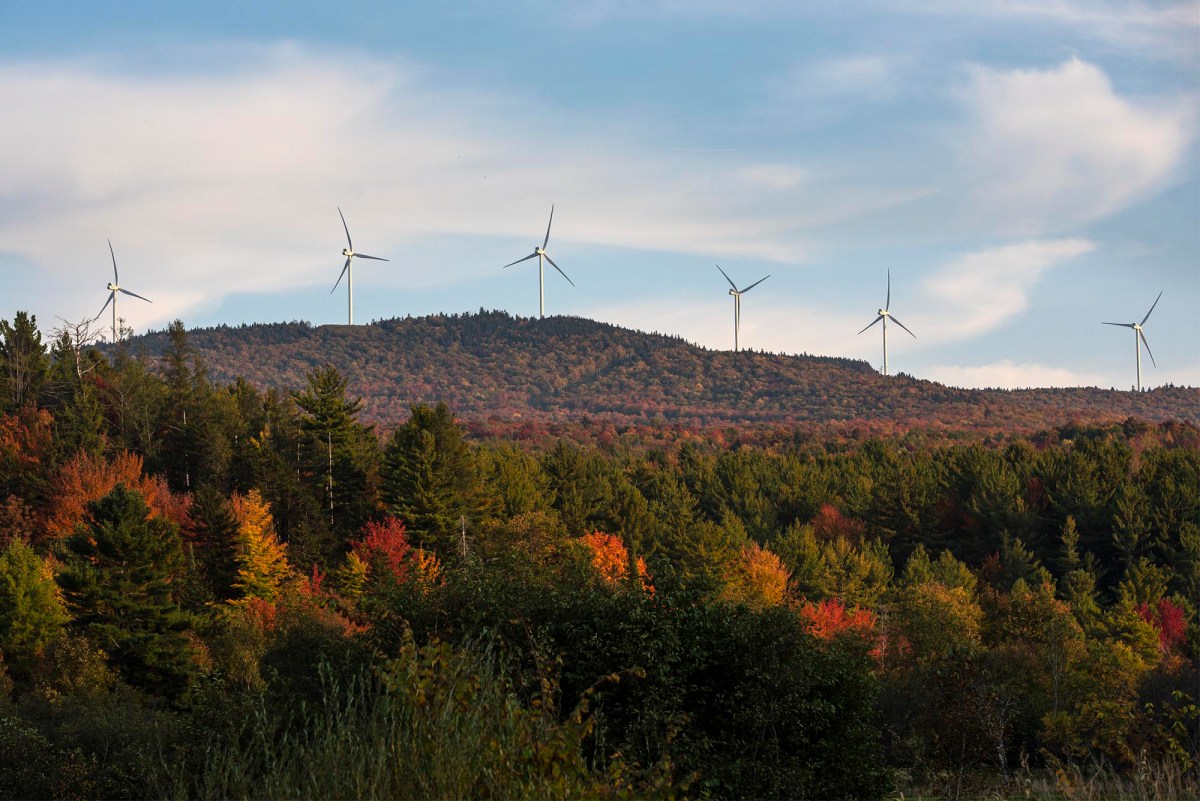
Lowell, population 887, is no stranger to energy projects. Over a decade ago, the largest wind farm in the state was built on 4 miles of its ridgeline. The 21 turbines, located a few miles southeast of the town center, are each 450 feet tall, dominating the skyline.
The wind project is owned and operated by Green Mountain Power, which gave Lowell residents the option to refuse the project. It was ultimately approved.
According to Blay, this was in no small part due to the hundreds of thousands of dollars per year the company agreed to pay the town for the following 25 years, which offsets taxes. In 2025, the payment from Green Mountain Power was around $600,000.
The solar project, however, would not bring such bounty to town coffers. The 4.9-megawatt project is exempt from education property tax, and its municipal tax payment would be based on the value of the land without regard for the solar panels installed upon it. In addition, the solar field would pay a “uniform capacity tax,” which comes out to around $20,000 for the proposed installation per year, according to the state formula.
Many Lowell residents have said the town has done more than its fair share in providing land for renewable energy: The wind turbines generate enough electricity to power 26,000 homes. According to estimates from the U.S. Census Bureau, there are about 17,000 housing units in all of Orleans County.
The proposed solar field is expected to generate enough electricity to power approximately 1,528 more homes, according to documents filed by MHG Solar.
“We already have the windmills,” Josey said at the public hearing. “Can’t you find some other town that hasn’t donated a mountainside?” (A second mountainside in Lowell is home to a defunct asbestos mine.)

According to Hand, one of the reasons the field is a great site for solar is that it’s adjacent to a substation owned by the electric co-op.
“I certainly wouldn’t say it’s easy to find good sites. Ultimately finding good sites requires balancing a large number of variables against each other to enable a project that can deliver cost effective power,” Hand said in an email. “In truth, most folks don’t realize how constrained the map gets when you need access to actual electrical infrastructure.”
Some Lowell residents have raised concerns about how an excess of energy production in the region has caused some deliberate reductions in renewable energy generation in the past. However, according to the electric co-op, infrastructure upgrades in the area have reduced congestion and will support additional generation capacity.
Though ultimately approved, scars of the fight against the wind project still linger, including at a recent site visit for the proposed solar project: Blay said that two residents at the visit were “almost in tears” remembering their long, unsuccessful fight against the wind turbines.
While a number of residents are discouraged, many in Lowell are doing what they can to fight the solar project. They take issue with the views that will be impacted by the development; despite tree plantings promised by the developer, the location is in a valley and will be visible to many residents in the surrounding hills.
Others worry about the grassland birds that have been seen in the field, such as bobolinks, and other wildlife that could be affected by the solar installation, the loss of prime agricultural land, and the future health of the underlying soil.

Most often cited, however, is zoning and planning — though that is not as clear-cut as it may seem.
Lowell’s town plan and zoning bylaws do not list large-scale solar installations as permitted or conditional uses for rural-agricultural areas such as the hayfield. However, they also do not specifically restrict or regulate such development in any way (nor do they for any other type of land use), which, legally, leaves things vague.
“Both the regional plan, regional energy plan, and Lowell town plan do not provide clear written standards regarding the resources at the project site or immediately surrounding area,” wrote Vermont Electric Co-op Board President Rich Goggin in a Dec. 1 letter to the select board.
Blay admitted that the town is “years behind” on updating its zoning and that the current bylaws should spell out land use much more clearly. However, she said, the town plan definitely “does not advocate for a solar field of that size in the middle of town.”
Due to that lack of “clear written standards” in the town plan, it weighs less than a town plan could in the commission’s process, but the commission will still take it into account.
Lowell’s planning commission is working to update its bylaws to address future solar development. According to draft minutes from a Dec. 17 select board meeting, they proposed initial regulations that would allow small, residential solar systems and require a conditional use permit for anything larger. The select board requested an addition preventing solar installations over 100 kilowatts in non-industrial areas.
Following the mid-December public hearing on the solar project, Hand wrote a letter to the town offering “further efforts to reduce Project impacts,” which included allowing the current practices of maple sugaring, sheep grazing, school sledding and snowmobile access to continue on the property. He also offered to transfer several acres of open land to the town at no cost for development, conservation or public recreation.
“We continue to be open to further discussion of other suggestions for measures to improve the Project for the Town, but to date these are the only requests we have received, and we have agreed to each one,” Hand wrote.
On Dec. 22, Blay wrote back.
“The proposed listed options really do not get to the heart of the matter or really touch at all on what we heard the citizens of Lowell present at the public hearing wanting, which was for the property to stay open and in agricultural use or support local housing or businesses, which this solar project not only doesn’t do but destroys future possibilities,” she wrote.
“This site is fundamentally not right for the town of Lowell and there are no changes that could be made to make it acceptable other than finding another site,” the select board chair concluded.
Lowell’s participation in the Public Utility Commission’s review of the solar project has been hindered by an accidental administrative delay, technological problems and a lack of familiarity with the obscure process.
A July letter providing 45-day advance notice of the project and the opportunity for feedback sat unopened in the post office due to an administrative error. While the town started to participate in the process in late October, not acting during that advance notice period seems to have taken a toll: the letter written by Goggin, the co-op board president, states that the co-op’s agreement with MHG Solar was not executed until after the notice period had ended, “knowing there had not been feedback on the notice.”
Blay, a volunteer town officer with a separate day job, said she and others have struggled to learn the commission’s process.
According to Michael Swain, special counsel to the Department of Public Service, the commission’s litigated process includes procedures and formalities that “may make participation as a party to a proceeding challenging for non-lawyers.”
Many in the rural town also struggle with internet access, and Blay said she and other community members have been unable to participate in various virtual meetings about the project because they couldn’t connect.
“No matter how my fight comes out, I feel like (the commission process) is just not a good setup for communities,” Blay said. “It does not easily allow towns to participate or be heard in a way that creates impact.”
Third-generation farmer Mike Tetreault works a piece of land directly across from the proposed solar project, growing vegetables, Christmas trees and hay. When the field in question came up for sale, his family put together an offer for 200% of the appraised value to preserve the land for agriculture, he said.
However, they “were beat by the solar developer nearly 3.5 times the appraised value,” Tetreault wrote in a November letter to Anson Tebbetts, secretary of Agriculture, Food and Markets.
Tetreault thinks there needs to be a balance between keeping the best land in agricultural use while providing area for renewable energy development, he said.
“Vermont’s landscape will not be Vermont if we have the land along roadsides supporting all of the solar demands,” Tetreault wrote. “The convenience for developers is understandable, this convenience will come at a deep cost to Vermont and Vermonters in the long run.”
Tebbetts agreed in a reply that farmland is often under intense development pressure, noting that solar developers must follow procedures designed to protect and restore the soil to keep it available for future agricultural use.
“Farmland and renewable energy are both critically important, and it is always worth evaluating whether we have found the right balance,” Tebbetts wrote.
Blay’s worries about the project also don’t stop at Lowell and the fate of the hayfield but also include the “larger idea of what Vermont’s doing and where they’re moving,” she said, referring to state goals for energy production and the resulting projects littering the state.
“One reason I love the state I live in is because it is remote and rural. … And what are we turning it into?” she said. “Is this really what we want for our state? I just think there’s got to be a better way.”
The Legislature appears to have similar concerns: The Senate and House committees on agriculture are taking testimony on the need to preserve prime agricultural land from all development pressures, from solar farms to high-rise apartment buildings.
According to recent testimony from the American Farmland Trust, the state was forecasted to lose between 1,700 and 2,500 acres of farmland per year to development. However, actual conversion measured by the trust has been even higher: an average of 2,800 acres per year.
Legislators in the House have also already proposed a bill that would require participation from the Agency of Agriculture in renewable energy siting cases before the commission and cause facility sitings on more than 5 acres of certain agricultural lands to “be considered undue and not in the public good.” The same language is included in a bill under consideration in the Senate.
If Blay can get the project in Lowell denied, she hopes the family selling the hayfield would still benefit.
“I would really want to see people step up and rebuy the land in a way that we would use it as a town, respectfully, and also see (the family) benefit,” she said. “I don’t want to see them lose, but I’d be happy to take the solar developer out of the equation.”
Search
RECENT PRESS RELEASES
Related Post