Parties vow to ban sales of cannabis
January 14, 2026
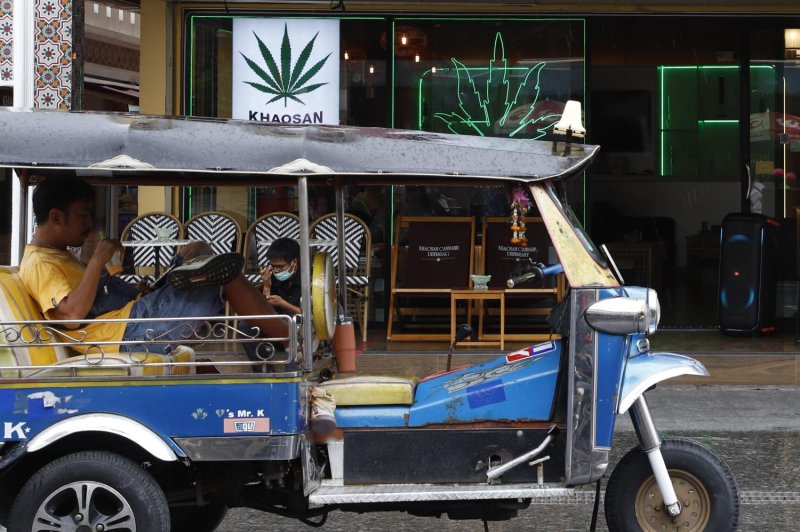
Three political parties — the People’s Party, Democrat and Pheu Thai — have pledged to put cannabis back on the narcotics list and allow its use only for approved medical purposes, while operators urged the future administration to eliminate foreign businesses using nominees and unfair competition from illegal businesses.
In the run-up to next month’s general election, the Association of Thai Travel Agents (Atta) and Thai Hotels Association (THA) hosted a political forum yesterday titled “Thai Tourism: What to Do Next?”, bringing together representatives from three political parties.
“Cannabis would be classified as a narcotic. If it’s to be used medically, clear permission must be obtained to avoid affecting the public,” said Sittiphol Viboonthanakul, a party-list candidate and economic team member of the People’s Party.
Pheu Thai candidate Surakiat Thienthong said his party also does not support the legalisation of cannabis, as the party proposed reclassifying it as a narcotic for medical use only during the previous administration. This would remain its stance if elected, he said.
Werapong Prapha, deputy leader of the Democrat Party, said the legalisation of cannabis in Thailand has created significant problems for visitors as they often bring these products back home.
Mr Werapong, who previously served as Thailand’s trade representative, said based on discussions with ambassadors, cannabis has become an international political issue, particularly in Europe, with lawmakers raising their concerns and urging for Thailand to reach a resolution.
During the forum, THA president Thienprasit Chaiyapatranun said registered hotels typically bear substantial costs related to safety standards and regulatory compliance, while illegal condos and accommodations are marketed through online platforms without being subject to the same regulations.
He said Thai hotels are burdened by high commission rates of 20-30% charged by global online travel agents, significantly higher than the 15% typically applied to hotels in Europe.
“These are hidden costs that undermine the competitiveness of Thai businesses,” said Mr Thienprasit.
Atta president Thanapol Cheewarattanaporn said the most critical obstacle for tourism is weak law enforcement.
Every political party introduces policies to curb grey and nominee businesses, but implementation is lacking because of weak enforcement, he said.
Mr Sittiphol said there were only 11 cases detected of nominee arrangements being used to operate tourism businesses in Thailand, which is relatively small compared with the large number of complaints from local operators submitted to the Economic Development Committee of the House of Representatives.
He said local tourism operators could not fully benefit from inbound tourists because 20-30% of total revenue was redirected to foreign companies.
To address this problem, Mr Sittiphol said the People’s Party is preparing preventive measures to block those foreign businesses from registering, targeting legal or accounting consultants from Thailand who often act as nominees.
He said the surveillance process must be carried out in parallel with creating complaint channels for operators to identify lawbreakers, allowing them to track progress and exert pressure for stricter law enforcement.
If nominee businesses found guilty continue to operate, Mr Sittiphol said the government must act decisively to confiscate their assets before they can divert them to fund further expansion and take advantage of local operators.
“If we lead the administration, tackling nominee businesses will be addressed within the first 100 days,” he said.
“This includes not only grey businesses, but also state officials who facilitate those illicit actions, who must be punished.”
Mr Werapong said the Democrat Party proposed a “Super Act” to help modernise outdated legislation, reducing barriers for the private sector while strengthening the government role in supporting the sector.
Search
RECENT PRESS RELEASES