Plug-in solar is coming – how dangerous is it and is it worth it?
April 1, 2026

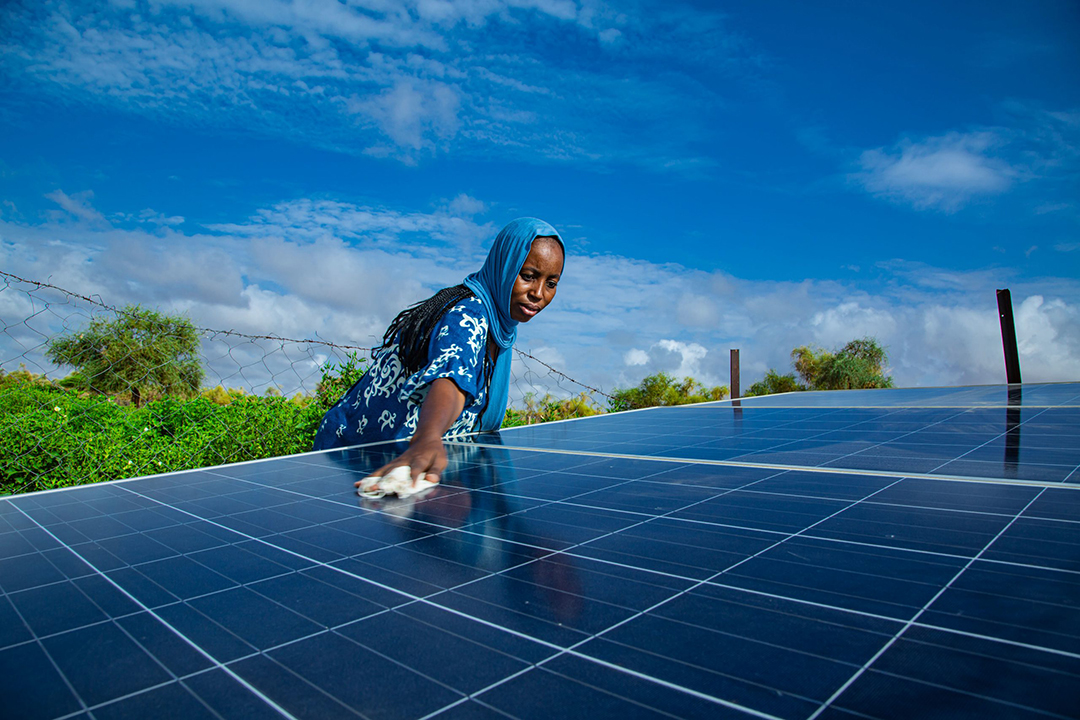
The global surge in solar power is nothing short of extraordinary. Over the last 15 years, the cost of installing a solar system has dropped by 90 per cent and it now accounts for over 80 per cent of the world’s new electricity capacity each year. So when oil and gas prices soared as a result of the ongoing conflict in the Middle East, solar was the obvious place to look for relief for many countries.
But in the UK, it wasn’t just a case of advocating for more of the same – the UK government has said that it will legalise a currently illegal form of solar. So-called plug-in kits will be available “within months” from high-street shops and supermarkets.
These kits are DIY in nature, you simply bring home some panels, place them in a sunny spot and plug them in. There’s no cost of installation and you can start using the sun’s energy to power your home immediately. If you move, just pack up your panels and bring them with you. Solar energy seemingly made even cheaper and available to even more people.
Many countries have already taken to plug-in solar and there are reasons to be excited about it on a global scale but can it really help alleviate energy price rises? How cheap is it? And is it actually safe?
Despite the rapid decreases in cost, installing a traditional solar system isn’t cheap. For an average UK home, estimates for a 4 kilowatt system to cover most energy needs is around £7000. In the US, the average home uses roughly double the energy and the cost of installing a solar system to cover it is around $20,000. These costs include having the panels professionally mounted and a registered electrician installing the system and making alterations to the electricity meter so that excess power can be sold back to the grid – lowering bills or perhaps even generating profit.
Plug-in solar is a simpler proposition. The kits are smaller than a full-scale install, so you might expect to purchase an 800-watt system for around £400 and hope for it to cover something like 20 per cent of an average UK home’s energy needs. Installation is free because it is nothing more than tying the panel to balcony railings, a garden fence or a garage roof and plugging a cable into a wall socket. Once you’re plugged in, you can start using any energy that is generated.
With plug-in solar, excess energy ends up back in the grid but without a professional instillation you can’t earn money from it. “Ultimately that energy just gets used by the next-door neighbour,” says Mark Golding at UK solar panel installer Spirit Energy.
Plug-in solar is already an established technology outside the UK. More than a million plug-in solar systems were registered in Germany as of July last year, for instance. Estimates suggest that they cumulatively have capacity of between 1.6 and 2.4 gigawatts there – enough to simultaneously boil half a million kettles.
Germany is the only country attempting to track plug-in solar in any meaningful way, so statistics are hard to come by. But one estimate says that there could be as many as five million kits in use across Europe. Plug-in solar is only a small fraction of the overall energy mix, but for individuals they could take the sting out of bills and cumulatively boost a country’s renewable-generation ability.
Jan Rosenow at the University of Oxford says that uptake could soar if governments keep legislating to allow people to install their own panels. “While individual systems are small, their aggregate impact is becoming meaningful, both in terms of distributed generation and consumer engagement in the energy transition,” says Rosenow.
Plug-in panels are mostly outlawed in the US at present, but Utah became the first state to legalise them last year and many states have similar legislation in the works. Cora Stryker at US pro-solar non-profit Bright Saver says that outside of Utah people have to go through the same amount of admin to install a few solar panels at home as somebody would to construct a 20-megawatt solar farm – a situation that she says is “patently ridiculous”.
Stryker hopes that plug-in solar can alleviate financial hardship, help slow climate change and act as the thin end of the wedge to bring the US up to speed on renewable power. “This is the watershed moment, the tipping point toward a world where the dirt-cheap cost of renewables is actually passed on to the consumer,” she says. Bright Saver estimates that 24 million US households will use a plug-in solar system by 2035.
But, despite the already widespread use, there is worry among some experts about the safety of plug-in kits. Mark Coles, the head of technical regulations at the Institution of Engineering and Technology (IET), recommends that before anyone buys a plug-in solar kit they have the wiring in their house checked for safety first. And, even after that, the organisation has identified areas of concern.
One issue surrounds residual current devices (RCDs), the safety devices found in fuse boxes that sense when current is leaking to ground – a sign of electrocution or a short circuit – and almost instantaneously cut power. Most RCDs used in the UK aren’t suitable for current flowing in both directions and so could malfunction. In the US, the set-up is different but there are similar problems. One reason why Germany has managed to move so quickly is that by coincidence it standardised bi-directional RCDs in the 1980s.
Another worry of the IET’s is what happens if there are multiple kits and a power cut. In theory the plug-in kits should also shut down in order to prevent “islanding” where one house’s power stays live. But if they’re still generating power then they could deceive each other into thinking the grid is live and keep running. The problem then is that power can jump past the fuse box and electrocute maintenance workers in the area fixing the outage.
“That’s putting those people in danger,” says Coles. “It kind of goes against the concept of ‘just buy this and plug it in’, but in reality we are concerned that there’s a public safety risk here.”
Coles agrees that plug-in solar could bring enormous benefits but wants to ensure manufacturers can prove their systems will behave safely, even in unusual scenarios.
New Scientist put the IET’s safety concerns to the Department for Energy Security and Net Zero and a spokesperson said: “Our tests have shown plug-in solar is safe to use on UK domestic circuits. All products will need to meet UK product safety standards, and we have commissioned an independent study to inform further regulations ahead of their sale.”
Stryker says that, given the catastrophic impact of climate change and soaring energy costs placing many into fuel poverty, the greatest risk to consumers is inaction. She argues that people will adopt technologies like this regardless of whether they’re officially sanctioned and regulated, so the pragmatic approach is to help people do it as safely as possible. “Solar is the cheapest energy on the planet, full stop. It’s actually the cheapest energy humanity’s ever produced,” she says.
Search
RECENT PRESS RELEASES
Related Post