Porsche to cut 500 jobs, shut three subsidiaries in major restructuring push
May 10, 2026






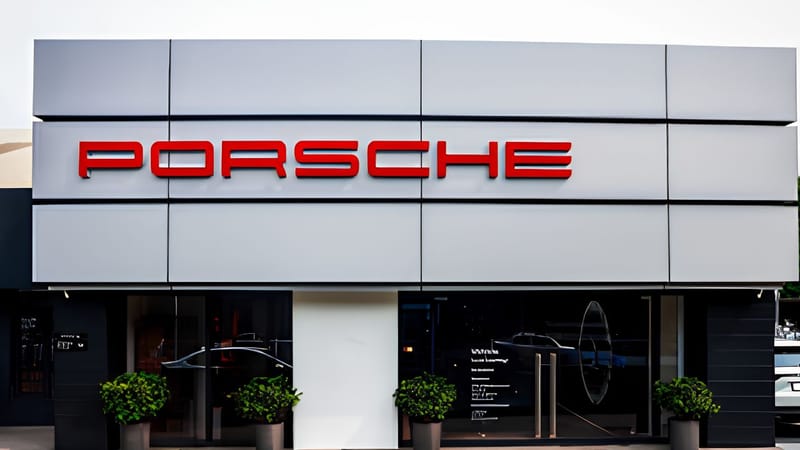
Porsche is shutting battery, software and e-bike subsidiaries while cutting more than 500 jobs as the luxury carmaker responds to slowing EV demand, rising costs and pressure on profitability.
Porsche AG is preparing to cut more than 500 jobs and shut down three subsidiaries as the German luxury carmaker restructures operations to focus more aggressively on its core automotive business.
The move represents one of Porsche’s most significant strategic resets in recent years as the company responds to slowing electric vehicle demand, weaker market conditions in China and mounting pressure on margins across the global automotive industry.
The restructuring will involve the closure of:
• Cellforce Group, Porsche’s battery technology venture
• Porsche eBike Performance, its high-performance e-bike systems business
• Cetitec, a software and digital communications subsidiary
The changes are expected to affect employees across Germany and Croatia.
The company is repositioning resources towards its primary vehicle operations as luxury automakers increasingly reassess expansion plans and diversification strategies amid an uncertain market environment.
Porsche pulls back from non-core bets
Porsche’s restructuring signals a broader shift underway across the automotive sector, where manufacturers are becoming more cautious about investments outside core vehicle manufacturing.
Over the past several years, many global carmakers expanded aggressively into adjacent businesses linked to electrification, mobility technology, software systems and connected infrastructure.
But uneven EV adoption rates, rising operating costs and slower consumer demand are now forcing companies to reconsider those strategies.
For Porsche, the latest restructuring appears aimed at simplifying operations and sharpening focus on areas more directly tied to long-term profitability.
The company’s decision to shut Cellforce Group is particularly notable given the automotive sector’s broader push towards battery independence and EV supply chain control.
Similarly, the closure of Porsche eBike Performance suggests weakening confidence around adjacent premium mobility segments that many manufacturers once viewed as future growth areas.
Cetitec’s closure also reflects wider pressure on digital and software-focused operations across the industry as automakers attempt to balance technology investment with financial discipline.
Luxury automakers face growing pressure
The restructuring comes during a difficult period for premium automotive brands globally.
Luxury carmakers are contending with multiple challenges simultaneously, including:
• Slowing demand for electric vehicles in several markets
• Rising production and operating costs
• Softer consumer demand in China
• Increased competitive pressure across EV segments
• High investment requirements linked to electrification and software development
China, one of Porsche’s most important international markets, has become increasingly challenging for global luxury brands amid slowing economic momentum and intensifying local competition.
At the same time, the pace of EV adoption has remained inconsistent across markets, complicating investment planning for manufacturers that committed billions towards electrification strategies during the past decade.
Industry analysts increasingly view the sector as entering a recalibration phase after years of aggressive expansion and technology investment.
Profitability concerns are driving restructuring decisions
Porsche has been under growing pressure to improve efficiency and restore margins following weaker recent financial performance.
The company’s latest restructuring effort reflects a wider industry trend in which automakers are prioritising operational discipline and core profitability over diversification.
Manufacturers are increasingly reassessing:
• Long-term EV investment timelines
• Workforce structures
• Software and digital operations
• Battery and mobility ventures
• Non-core expansion strategies
The focus on simplification is becoming particularly visible among legacy automotive companies facing pressure from both investors and fast-growing EV competitors.
For Porsche, the restructuring appears designed to strengthen resilience during a period of heightened uncertainty rather than signal a retreat from technology investment altogether.
Instead, the company is narrowing its priorities around operations most closely aligned with its primary automotive business.
Topics
Author
Loading…
Loading…
Search
RECENT PRESS RELEASES
Related Post