Q+A: Native energy developer Elizabeth Perez on federal funding disruptions, energy sovere
February 8, 2026
- Details
- By Chez Oxendine
- Energy | Environment
-
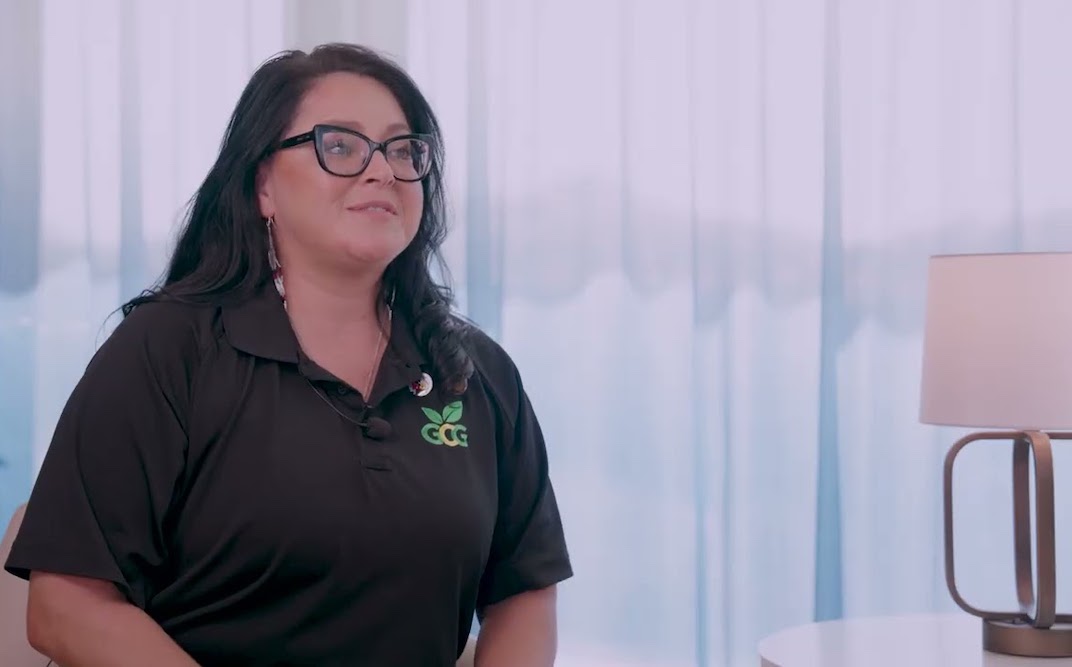
Renewable energy in Indian Country faces growing uncertainty as federal clean energy funding slows or stalls. For Elizabeth Perez, a U.S. Navy veteran turned clean energy entrepreneur, uncertainty is familiar terrain.
Perez, who served tours in the Middle East, now leads Poway, Calif.-based GC Green and its subsidiary, Native Energy Services Company (NESCO), developing Native-driven energy projects across California. Over the past five years, her work has spanned solar, energy storage, workforce development and infrastructure projects that intersect with tribal lands and interests.
As federal funding disruptions ripple through Indian Country, Perez and other Native-led energy firms are adjusting — relying more heavily on state programs, philanthropy and revised project scopes to keep projects moving forward. Perez spoke with Tribal Business News about navigating those shifts, the future of tribal energy and why representation still matters.
This interview has been edited for brevity and clarity.
How have you adapted as federal clean energy funding has stalled or been paused?
It has been very challenging. When the Biden administration came in, there were historical funding changes that enhanced tribal economic development, especially in clean energy, workforce development, training, job placement, and project funding. Billions of dollars went into this, and every contract was awarded and signed. Then in January 2025, the carpet got pulled from under us and funding stopped.
They tried to seize everything, and it made a lot of hearts drop. Tribal leaders were upset because construction was already happening and projects were shovel ready. Legally, a lot of the funding couldn’t be revoked, but it took time for the money to start flowing again. Some state funded projects tied to federal dollars are still on pause.
Luckily, we live in California, where clean energy and zero emission goals are still priorities. Even so, many programs that should have started in early 2025 are still bottlenecked. Department of Transportation funding for tribes we work with is on pause, and one of our largest state contracts, which is tied to federal funding, is still on hold.
What strategies have you used to keep projects moving despite those delays?
Our company has been around for 17 years, long before government funding for this work existed. We’ve had to pivot back to what we used to call mechanical engineering — energy upgrades and efficiency work. We’ve shifted our language from climate and zero emissions to savings.
Environmental language still matters, especially for tribes. But with non-Native businesses, we lead with cost. California has some of the highest electricity rates in the country. Public power shutoffs are common, especially in rural tribal communities.
People can lose power for hours, days, even two weeks. That means food loss, medical risks and economic disruption. Tribes are vulnerable, and that is why they are moving toward energy sovereignty, economic growth and job creation. Government funding is still needed, but there are creative ways around the gaps, including private investment and grants.
How are projects like the Tule River work being funded in this environment?
The funding includes Department of Energy funds, and we were one of the first tribal businesses and tribal entities awarded that support. The second round went to Viejas, the Kumeyaay tribe in San Diego. The project uses a compilation of federal funding, state funding through the California Energy Commission, and Energize grants for EV chargers. The DOE contract covers much of the project, including construction, startup, and design.
Other funding includes public private sources and tribal investment. Our team also helps arrange financing. We work with several banks, most of them Native owned, and with private investors. Despite what you hear on the news, there is a lot of philanthropy happening in response to the federal pullback.
We are also working on a major non-tribal project with the state of California near the border — new data centers and an energy storage facility geared toward AI growth. It is one of the largest state contracts … a five year project that touches at least five or six tribes in the area.
What does it mean to you personally to lead Native focused energy work?
I love this work. I get goosebumps talking about it because this is my dream. This is the best thing, to be able to give back to my communities. I am almost 48, and to be at this stage after everything I have worked for means a lot.
My grandmother always told me to let people know we are still here. I grew up believing I was on a mission. From finishing school to serving eight years in the military and two in the reserves, to starting a business during a recession as a single mom, all of it led here. Being the Native voice in the room means saying things like no, you cannot tell tribes what to do, or pushing back when the state wants tribes to give up sovereignty for incentives.
When I started, most people representing tribes at conferences were non-Native. Now I see more Native lawyers, architects, engineers and financial experts. That next generation gives me hope. They are fighting for the same things — making sure people know we are still here, growing economically, being self-sustained, protecting sovereignty and water rights and protecting land from extreme weather.
How do you view Native representation in the energy and construction industries today?
There are not enough Native business owners in this industry. A UCSB study found I was the only Native American woman licensed as a renewable-energy contractor in the nation. Another paper found there are maybe seven Native owned businesses in this industry and around eleven tribal ones. Being licensed as a general contractor is rare for a woman — even rarer for a Native woman.
What advice do you have for tribes or individuals who want to enter the energy workforce or the trades?
Young people should take a look at getting into a trade. That’s where a lot of opportunities are right now. It pays well, and you can help your tribe grow with that knowledge. There is long term employment in these fields, especially with projects that include operations and maintenance. It’s meaningful work that benefits both tribal and rural communities.
Search
RECENT PRESS RELEASES
Related Post