Rappahannock Tribe Raises Sovereignty and Environmental Concerns Over Caroline County Wate
January 5, 2026
- Details
- By Native News Online Staff
-
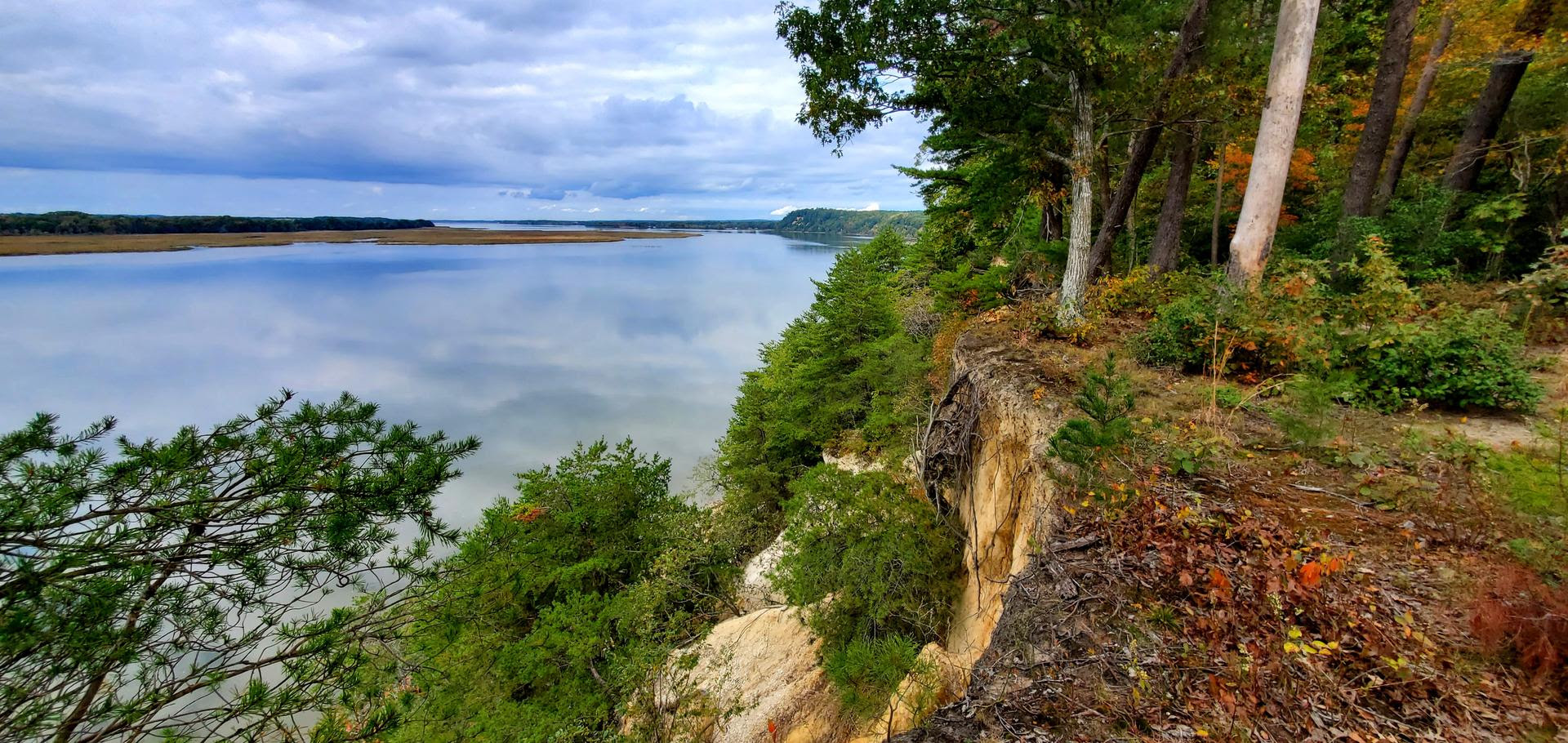
The Rappahannock Tribe of Virginia has raised serious concerns following the Virginia Department of Environmental Quality’s (DEQ) decision in early December to grant Caroline County a permit authorizing the withdrawal of up to 9 million gallons of water per day from the Rappahannock River. The 15-year permit allows for the extraction of a total of 49.275 billion gallons of public water and authorizes the construction of a new water intake system along one of Virginia’s most culturally and environmentally significant rivers—the ancestral homeland of the Rappahannock Tribe.
Caroline County initially sought approval to withdraw 13.9 million gallons of water per day for residential use and industrial cooling. After widespread public opposition, the county revised its request by reducing the withdrawal volume and removing the term “industrial use” from the permit language. Despite these changes, the permit will still result in an inter-basin transfer of water, as treated wastewater would be discharged into the Mattaponi River basin. The Tribe warns that this poses significant threats to the ecological health, cultural integrity, and long-term sustainability of the Rappahannock River.

The Rappahannock Tribe is a federally recognized sovereign nation whose ancestral homeland includes the waters of the Rappahannock River. For more than a thousand years, the river has been central to the Tribe’s identity, culture, and way of life. In 2024, the Tribe amended its Constitution to recognize the Rights of Nature, affirming the river’s inherent right to exist, flourish, and regenerate. According to the Tribe, the approved permit violates these protections through the inter-basin transfer and disregards the Tribe’s inherent and federally recognized rights to the river.
The Tribe objects to Caroline County and the Commonwealth of Virginia asserting authority over the river’s waters and water rights without Tribal consultation. Leaders argue that allowing such a large withdrawal threatens critical river ecosystems and undermines the Commonwealth’s obligation to respect Tribal sovereignty.
“It is infringing on the rights of nature as stated in our Constitution,” said Chief Anne Richardson. “We will fight it.”
While the Tribe acknowledges Caroline County’s responsibility to provide safe drinking water for its residents, it emphasizes that this need should not come at the expense of Tribal rights or the health of the river. The Tribe is not opposed to surface water withdrawals for public drinking water but stresses that Indigenous stewardship has long been excluded from decision-making, despite proven, ethical alternatives for sustainable water management.
The Tribe is calling on Caroline County, DEQ, and the Commonwealth of Virginia to engage in a collaborative, long-term approach that includes all sovereign governments with interests in the Rappahannock River Basin. Such cooperation, the Tribe argues, is essential for shared governance, sustainable water use, and the mutual protection of the river.
“Every community residing in the Potomac Aquifer and the Rappahannock River Basin must create more sustainable water supply solutions. Temporary fixes cannot protect our future; however, true stewardship can. We are evaluating all of our options to defend the Rappahannock River and uphold its rights, sovereignty, and responsibilities to future generations,” said Chief Anne Richardson.
DWR Proposes New Intake Design and Operation Standards
In addition to opposing the Caroline County permit, the Tribe has voiced strong objections to a proposed revision by the Virginia Department of Wildlife Resources (DWR) to the Surface Water Withdrawal Intake Design and Operation Standards, which is currently open for public comment. Although the Caroline County permit relies on existing guidance, the proposed standards could be applied in the future if the permit is appealed or reissued, potentially influencing water intake construction and operation statewide.
The Tribe warns that DWR’s proposed revisions represent a significant shift in Virginia’s approach to surface water management and would substantially weaken protections for aquatic life if adopted.
According to the Tribe, the updated standards also violate treaty rights upheld in the Treaty of Middle Plantation and conflict with the Rappahannock Tribal Constitution, which affirms the river’s rights and the Tribe’s role as its steward.
Under the proposed changes, intake structures would be allowed to use larger mesh sizes and operate at higher intake velocities—conditions that increase the risk of fish entrapment and ecosystem damage. Tribal leaders argue these changes contradict the Commonwealth’s stated commitment to conservation and disregard established, science-based environmental protections.
“While the Caroline County permit does not currently rely on these proposed standards presented by DWR, its approval would underscore why these regulations are so consequential,” said Director of Environmental and Natural Resources Jack Ryan. “If adopted, the new standards proposed by DWR would govern how future intake systems on the Rappahannock River and all Virginia waterways are designed, monitored, and regulated.”
The Tribe maintains that DWR’s proposal is incomplete, lacks clear scientific justification, and opens the door to reduced transparency, inconsistent enforcement, and weakened protections for aquatic life—undermining the very safeguards the agency is charged with upholding.
More Stories Like This
Klamath Indigenous Land Trust Purchases 10,000 Acres as Salmon Return
Trump signs law that revokes some limits on drilling in Alaska’s National Petroleum Reserve
Southern Sierra Miwuk Nation Gets 900-Acres ofLand Back
Chilkat Indian Village Tells New Palmer Mine Owners They Are “Not Welcome” in Chilkat Valley
Help us defend tribal sovereignty.
At Native News Online, our mission is rooted in telling the stories that strengthen sovereignty and uplift Indigenous voices — not just at year’s end, but every single day.
Because of your generosity last year, we were able to keep our reporters on the ground in tribal communities, at national gatherings and in the halls of Congress — covering the issues that matter most to Indian Country: sovereignty, culture, education, health and economic opportunity.
That support sustained us through a tough year in 2025. Now, as we look to the year ahead, we need your help right now to ensure warrior journalism remains strong — reporting that defends tribal sovereignty, amplifies Native truth, and holds power accountable.
 The stakes couldn’t be higher. Your support keeps Native voices heard, Native stories told and Native sovereignty defended.
Stand with Warrior Journalism today.
Levi Rickert (Potawatomi), Editor & Publisher
Search
RECENT PRESS RELEASES
Related Post