REE Automotive signals potential sale as cash pressures mount
May 16, 2026
A year has passed since REE Automotive last warned investors about mounting losses and included a “going concern” warning in its financial filings. Now, the company is openly signaling that it may put itself up for sale.
In a statement, the company said that in addition to a cost-reduction program aimed at lowering operating expenses, it had initiated a review of strategic alternatives to maximize shareholder value. According to the company, these alternatives could include “a possible sale of the company or its assets, a merger or reverse merger, strategic partnerships, licensing deals, or other transactions.”
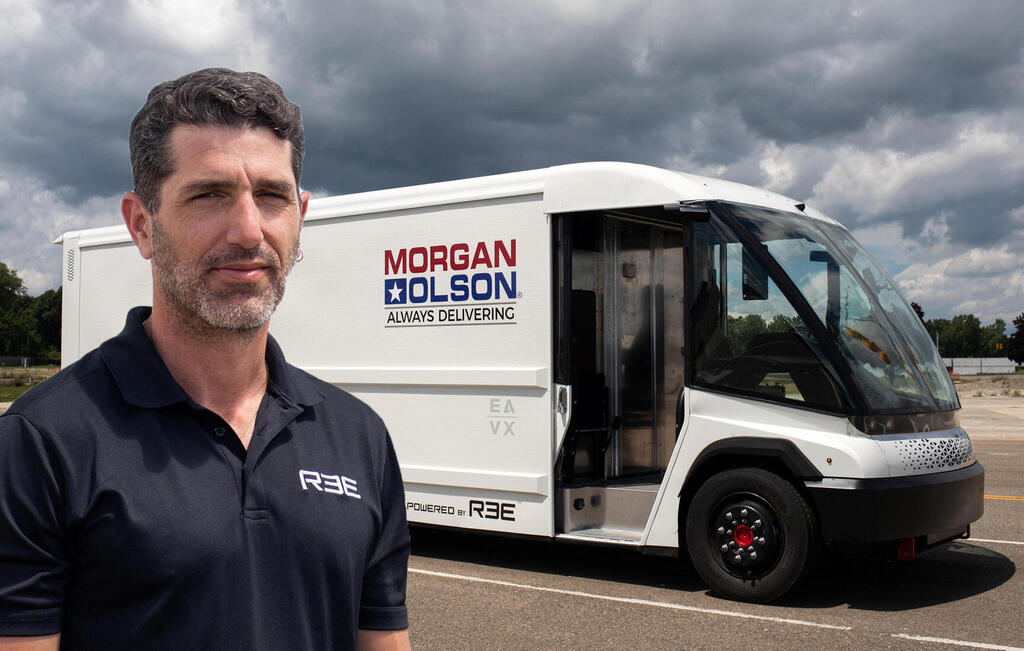
In a statement to Nasdaq, REE CEO Daniel Barel said the company was “taking decisive steps to improve and streamline operations while advancing strategic alternatives, including a potential sale of the company.” REE also cautioned that “there is no assurance that any transaction will be completed” and acknowledged that such a deal “may not enhance shareholder value or improve the company’s business position.” The implication is clear: without a transaction, REE could struggle to continue operating.
REE is one of the last remaining Israeli companies attempting to manufacture vehicles rather than simply supply automotive components.
The company was founded in 2011 by Daniel Barel, Gilad Wolf, and Ahishay Sardes under the name SoftWheel. Initially focused on wheelchair technology, the startup developed in-wheel motor systems that integrated motors and suspension components directly into the wheels.
In 2019, SoftWheel rebranded as REE Automotive and shifted its focus to electric vehicle platforms. The company attracted backing from several major automotive industry players. According to company announcements at the time, Japan’s KYB Corporation, a supplier of shock absorbers to automakers including Toyota and Nissan, entered into a partnership with REE, while Mitsubishi also invested in the company.
Related articles:
The company reached its peak during the SPAC boom. In 2021, REE merged with 10X Capital Venture Acquisition Corp at a valuation of $3.1 billion before the deal and $3.6 billion afterward. The company currently has a market cap of $13.9 million. REE promoted a modular electric vehicle platform that moved motors and key drivetrain components into the wheels themselves, freeing up space in the chassis. It also announced potential collaborations with the United States Postal Service and the Penske Corporation, though those partnerships ultimately failed to materialize.
The broader market environment has also shifted dramatically since REE’s public debut. During the post-pandemic boom, investors poured money into electric vehicle startups and futuristic mobility concepts. Since then, global automakers have increasingly turned to large Chinese manufacturers and suppliers for vehicle development, reducing the need for external technology startups. At the same time, demand for electric vehicles in the U.S. market has weakened, particularly amid a political environment that has become more supportive of traditional gasoline-powered vehicles.
Search
RECENT PRESS RELEASES