Renewable energy growth; how it makes an impact
April 23, 2026
MCMILLIAN, Wis. (WAOW) – A hot topic this Earth Week is renewable energy. Companies selling solar or wind energy are trying to grow, but that growth reportedly affects local environments.
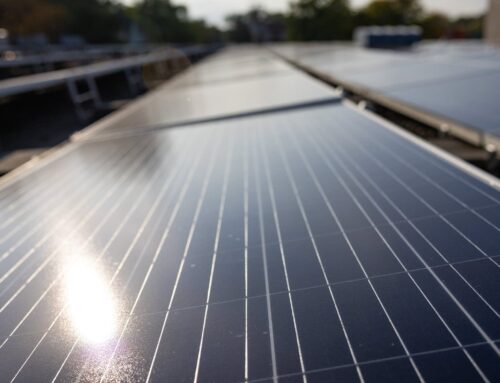
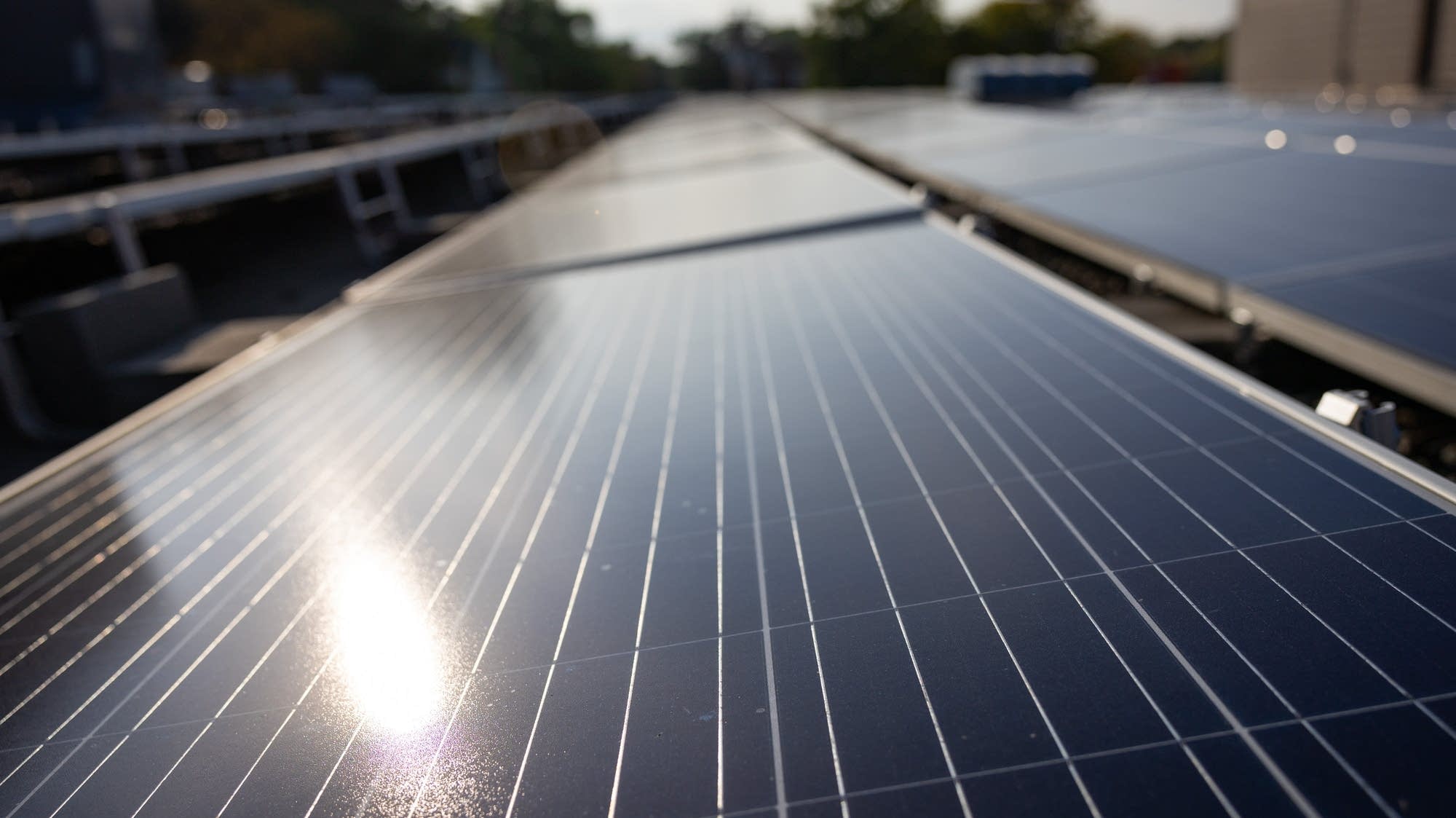
The Midwest Renewable Energy Association (MREA) recently announced they want to bring clean energy to our area, at a cheaper price rate.
“The MREA goes out, we try to collect as many people as possible that are interested in going solar. Then we bring that to our installer who then can provide a bulk discount because everyone is buying at once,” said Corey Ziemann, Solar Program Coordinator.
The program is called ‘Grow Solar’ and is offered for residents of Portage, Marathon, Waupaca, Waushara, Wood and Lincoln Counties. Interested customers can attend information sessions and get connected with installers for personal assessments.
While renewable energy is less toxic to the environment, some people feel creating wind or solar farms affects local environments, and is done in an irresponsible manner.
“The reason they say they are clean is because they don’t start counting the CO2 output until they are put up. So, the 150 semitrucks they haul in, the concrete, the rebar, just to build them, that’s not counted towards that,” said Trine Spindler of Farmland First Marathon County.
The organization Farmland First of the Marathon County chapter aims to educate individuals and advocate for officials in rural areas who are being approached by big energy companies.
Trine, a small farm owner, is worried about losing her farm and those like it.
“You get increased land prices for farmers, and decreased values for property owners. What I’m concerned about is we are going to lose our smaller farms to this,” said Spindler.
Currently, they are fighting three projects affecting the area, with specific interest in the Hub City wind farm by Allegiant Energy. It would bring 28-38 wind turbines to Southwest Marathon County, affecting the McMillian and Mead wildlife areas. Trine says operation of these windfarms will affect wildlife, their habitat, and the farms in the area.
MREA says their business is not involved with large scale solar farms, but more for home and business owners, and that they do care about farmers’ needs.
“In this program we are partnered with the Wisconsin Farmers Union. We are listening to the feedback and taking in farmers’ needs as well,” said Ziemann.
While Farmland First does oppose large scale operations of solar and wind that affect farms and land, they are aware that better solutions exist.
“We think there are a lot of good alternative energy sources that will be more productive, better for our environment and communities,” said Spindler.
The best way to support them is by donating. They are hosting an open conference this Sunday, April 26th, at the Stratford Heritage Barn. The event starts at 11 A.M. For information or to give, visit their website.
UPDATE: We’ve received a statement from Alliant Energy about the Hub City Wind project. They are proposing a 150-megawatt wind project in Marathon County that would generate enough energy to power the equivalent of 45,000 homes annually.
Hub City Wind is currently in mid-stage development and is working on finalizing studies that will help designate turbine locations and finalize the project design. The project is expected to create new construction jobs and ongoing positions in operations and maintenance once in service.
“The development of Hub City Wind is rooted in reliability, security and cost-effectiveness for customers,” said Ben Tanko, development manager at Alliant Energy. “The project represents a significant investment in Wisconsin’s energy future by driving a more resilient energy grid, promoting economic growth and creating opportunities for local communities.”
Participating landowners who voluntarily enter into a lease agreement with Alliant Energy will have the opportunity to diversify their income while still having the ability to farm their land around the turbines. Wind turbines have a small footprint and typically only use approximately 1 to 2 acres per wind turbine, meaning that 98% of the remaining leased land for the project can remain in farming.
The most measurable direct financial benefit to the local community will be through the Wisconsin Shared Utility Revenue Program, which has determined that a project is required to provide an annual $5,000 per megawatt payment for the life of the project. Over the estimated 30-year lifespan of the project, a total of $22.5 million in revenue is estimated to be generated.
Each year, $750,000 would be allocated to the participating county and towns, which include Marathon County and the townships of Day, Cleveland, Green Valley, Eau Pleine and McMillan.
Search
RECENT PRESS RELEASES
Related Post