Renewable energy progress in quagmire
February 7, 2026

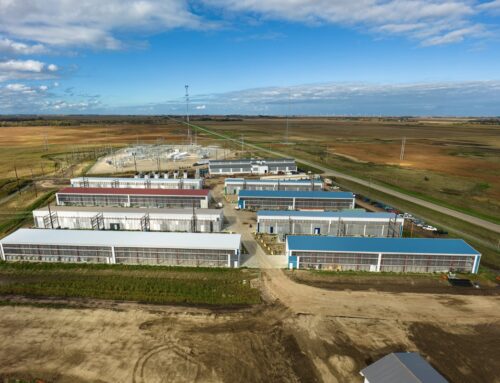
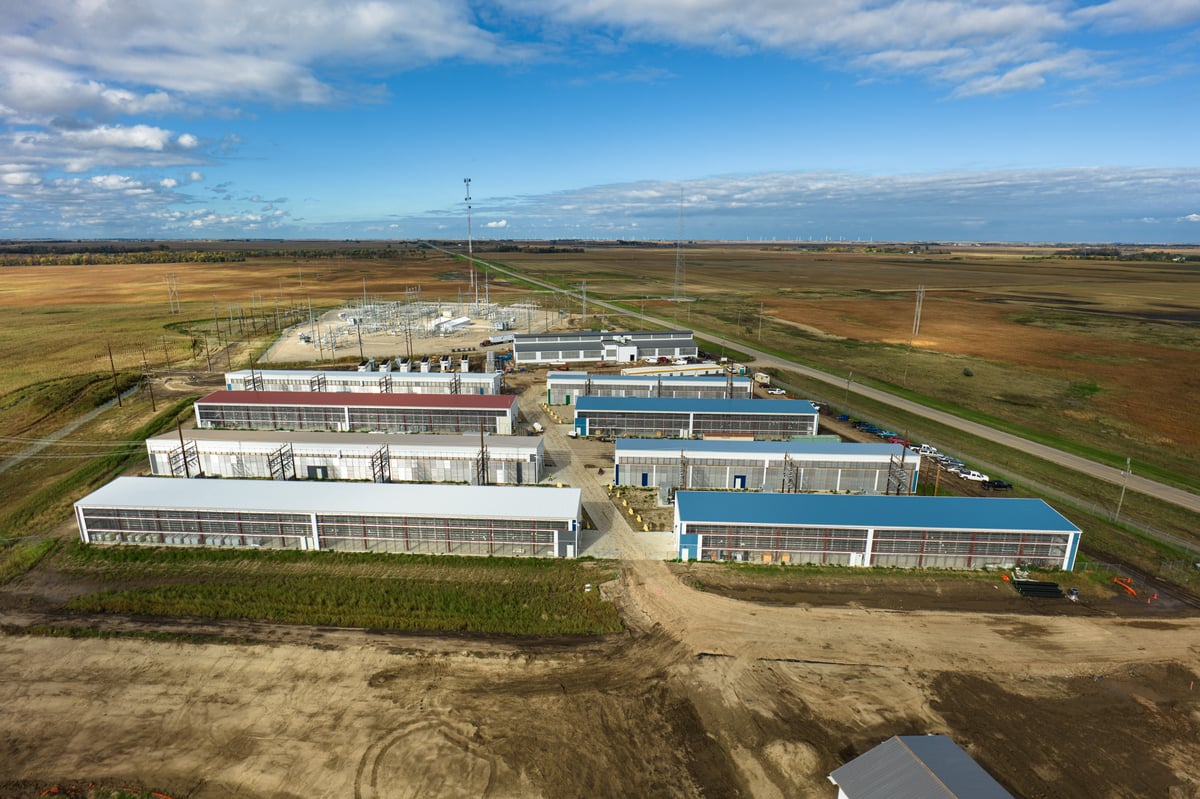
The country’s progress in renewable energy expansion has slowed down, which is evident from the installation of merely 78.98 Megawatt-peak in 2025 compared with the installation 380MWp in 2024.
According to the data published by the Sustainable Renewable Energy Development Authority on its website under the head ‘Year-wise Generation of All RE Large Technologies’, 247.36MWp was installed in 2023.
Ashraful Alam, the SREDA member on renewable energy, however, said that the current year-wise installation of large renewable plants did not reflect the real, on-the-ground scenario.
The database projected many plants as installed, but actually not, he said, adding that a scrutiny was on to correct the database.
Experts said that the renewable energy expansion work slowed down over the past 18 months since the interim government had scrapped 37 unsolicited renewable energy projects in November 2024.
The unsolicited projects were approved during the Awami League regime before its ouster in July uprising in 2024.
In November 2025, the interim government approved the power purchase agreement of a dozen of renewable energy power plants, mostly solar.
But its invitation of tenders for another 55 solar power plants ranging from 10MW to 250MW in four lots received lukewarm responses from potential bidders.
Besides, a plan announced in July 2025 to install 3,000MW capacity of rooftop solar infrastructure by December same year somewhat showed the interim government’s commitment to shore up renewable energy capacity.
But a lot of issues, including net metering and a high duty on import of materials, were casting doubts on the success of the programme from the very beginning.
Without resolving the issues, the planned rooftop solar would remain on paper only, said Shafiqul Alam, the lead analyst at the Institute for Energy Economics and Financial Analysis on Bangladesh Energy.
SREDA calculates the current installed capacity of the renewable energy infrastructure at 1,694.53MW, accounting for 5.3 per cent of the overall installed capacity of 31,393MW.
Of the overall installed capacity, the share of natural gas-based power generation is the highest at 44 per cent, followed by coal at 25.31 per cent, heavy fuel oil at 19.89, import at 4.09 per cent, and high-speed diesel at 2.7 per cent.
While the country is dependent largely on fossil fuel to meet its energy needs, a big gap between the installed capacity and generation—almost one third in winter and around half in summer—over the past one decade has led to incur growing losses for the Bangladesh Power Development Board in the form of capacity charge.
Capacity charge, which is a payment the BPDB makes to the independent power producers in situations the plants are kept idle, went up amid price hikes of fossil fuels in the global market amid the war between Russia and Ukraine since 2022.
Amid the vulnerable situation of the country’s energy security, people expected positive changes would follow in the power and energy sector under the interim administration.
But the expectation has remained elusive, lamented Shamsul Alam, energy adviser to the Consumers Association of Bangladesh.
The interim government had failed to come up with any plan that could effectively show the path towards major positive changes in the flawed energy structure heavily reliant on fossil fuels, said Shamsul Alam.
The transition towards less costly and more reliable renewable energy sources were affirmative to overcome the financial burden the nation was shouldering under the flawed energy generation policy formulated by the autocratic Awami regime, he said.
The capacity charge in the form of power subsidy had remained at an elevated level of around Tk 3,000 crore each month on average over the past 30 months, including 18 months under the interim government, said the finance division officials.
Monthly power subsidy was less than Tk 1,000 crore in 2021–22, they also said.
The current government also failed to cut the high import growth of Liquefied Natural Gas especially from the volatile spot market amid failure to diversify sources like renewable energy.
Around 50 cargoes of LNG were imported from the international spot market in 2025 calendar year, compared with 30 cargoes in 2024, as the potential of the domestic gas production has remained unexplored.
Badrul Imam, an honorary professor of geology at Dhaka University, criticised the ‘serious lack’ of efforts for domestic gas exploration by the successive governments.
Energy policymakers remained more focused on imports leaving the finance division to be overburdened with payment of power subsidy.
The subsidy allocations were Tk 23,000 crore in the financial year of 2021–22, Tk 32,000 crore in 2022–23, Tk 39,406 crore in 2023–24, and Tk 62,000 crore in 2024–2025.
Search
RECENT PRESS RELEASES
Related Post