Republicans Are Targeting EV Subsidies — Here’s What Could Actually Change
June 5, 2026
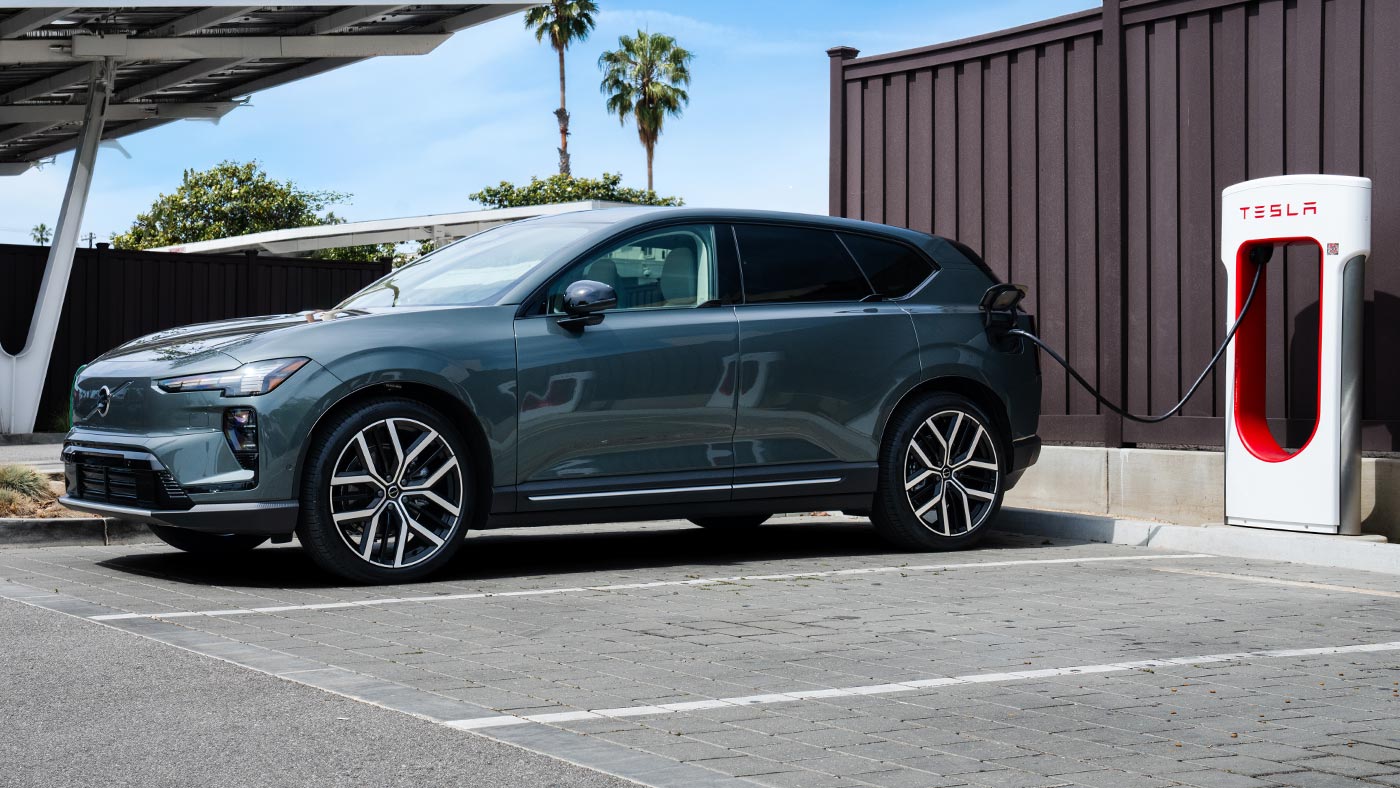
Senate Republicans have introduced legislation targeting what they describe as double-dipping in the federal EV subsidy system, and it’s a preview of the kind of policy friction that could reshape the incentive landscape for electric vehicle purchases depending on how the political winds shift.
Senator John Thune’s ‘Ending Duplicative Subsidies for Electric Vehicles Act’ aims to prevent automakers and buyers from claiming multiple layers of federal support for a single EV purchase. The specific mechanism being targeted involves instances where manufacturers benefit from production incentives while consumers simultaneously claim purchase tax credits — a structure that critics argue results in taxpayers subsidizing the same sale twice.

The broader Republican position on EV subsidies has been that the incentives are poorly targeted, benefit primarily wealthier buyers, and represent government intervention in consumer purchasing decisions that should be left to the market. The Inflation Reduction Act, passed along partisan lines in 2022, actually expanded and restructured EV tax credits in ways that Republicans largely opposed — so the legislative push to claw some of that back reflects genuine ideological opposition, not just procedural maneuvering.

For buyers planning EV purchases, the subsidy landscape is one of the most variable inputs in the financial equation. The current structure — with income caps, vehicle price limits, and domestic content requirements — already creates complexity. Additional legislative changes could alter eligibility criteria significantly. Anyone whose EV purchase decision is meaningfully dependent on the federal credit should be paying attention to the political trajectory of these programs rather than assuming the current rules will hold.

Join our Newsletter, follow our Instagram page, and connect with us on Facebook.
Search
RECENT PRESS RELEASES
Related Post