Revolutionizing the Road: Key Trends Shaping the Automotive Industry’s Future
April 15, 2026
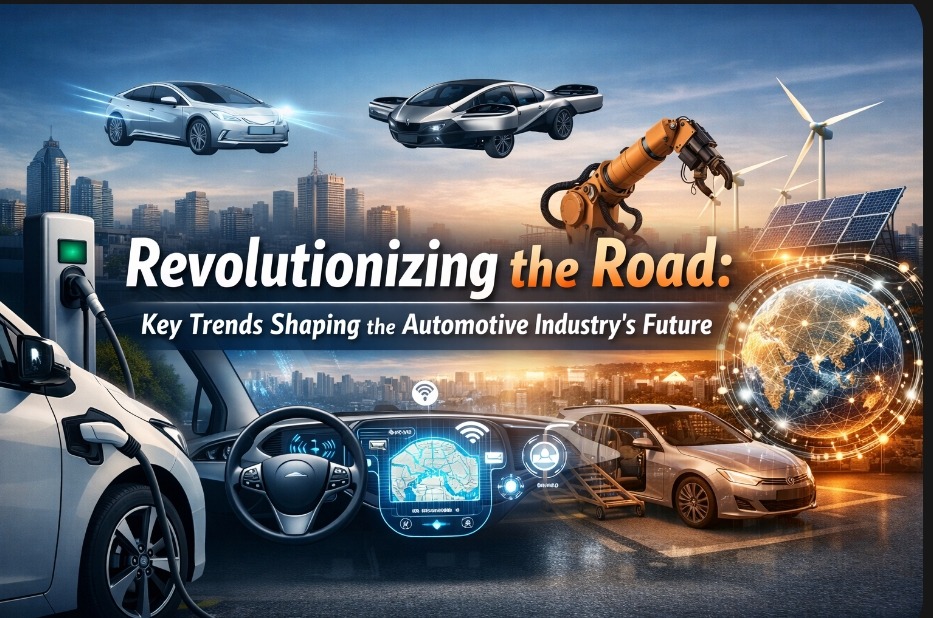
The automotive industry is currently undergoing a significant transformation. From electric vehicles (EVs) to cutting-edge technology in vehicle connectivity and sustainability, the way we think about cars is rapidly changing. As the world moves toward greener, smarter, and more efficient transportation solutions, we’re witnessing the rise of game-changing trends that promise to reshape the roads of tomorrow. Let’s explore as reported by AutoNotion some of the most important developments driving the automotive sector forward.
The Electric Vehicle Boom: A Step Towards Sustainability
One of the most notable shifts in the automotive industry is the rise of electric vehicles. With increasing awareness about climate change and the need to reduce carbon emissions, EVs have emerged as a leading solution to help reduce the environmental impact of transportation. Over the past few years, the EV market has expanded significantly, with automakers launching a variety of electric models ranging from budget-friendly options to luxury vehicles and even high-performance sports cars.
Electric vehicles offer numerous advantages. For one, they produce zero tailpipe emissions, which helps improve air quality and reduce pollution, especially in urban areas. In addition, the growing investment in EV infrastructure, such as charging stations, is making it more convenient for consumers to adopt electric cars. These innovations, combined with ongoing improvements in battery technology that increase driving range and reduce charging times, have made EVs more practical and accessible than ever before.
Government policies and incentives are also playing a crucial role in accelerating the adoption of electric vehicles. Tax rebates, grants, and regulatory support are encouraging consumers and businesses alike to switch to cleaner alternatives. As a result, the future of electric mobility looks brighter, and EVs are set to become the mainstream option for car buyers in the coming years.
Autonomous Vehicles: The Future of Safe and Efficient Mobility
The future of transportation is becoming increasingly autonomous. The development of self-driving technology has been one of the most talked-about innovations in the automotive industry. Thanks to advances in artificial intelligence (AI), machine learning, and sensor technologies, autonomous vehicles (AVs) are on the cusp of widespread deployment, promising a safer and more efficient driving experience.
One of the main benefits of autonomous vehicles is the potential to reduce human error, which is the leading cause of most traffic accidents. By relying on AI-powered systems, AVs can react to situations faster and more accurately than human drivers. This shift has the potential to reduce road accidents, prevent injuries, and save lives.
Moreover, autonomous vehicles could revolutionize urban mobility by optimizing traffic flow. With AVs able to communicate with each other and with infrastructure like traffic lights and road signs, congestion could be reduced, travel times shortened, and fuel consumption minimized. The ability to coordinate in real time can make cities smarter and more efficient, contributing to a greener and more sustainable future.
Additionally, AVs could offer enhanced mobility for people who are unable to drive, such as the elderly or individuals with disabilities, thus ensuring a more inclusive and accessible transportation system for all.
Smart Cars: Connectivity and In-Car Technologies
As vehicles evolve, they are becoming smarter and more connected than ever before. Modern cars are not just means of transportation; they are becoming integral parts of the digital ecosystem. With advanced infotainment systems, real-time connectivity, and autonomous driving capabilities, cars are transforming into personalized digital spaces designed to enhance the driving experience.
The rise of connected cars is one of the most exciting trends in the automotive sector. Through seamless integration with smartphones and other devices, cars are becoming more intuitive and interactive. For example, drivers can control navigation, climate, media, and even safety features using voice commands or through a simple touch on the screen. These systems also allow drivers to access a wide range of services, including entertainment, traffic updates, and emergency assistance, all while keeping their attention on the road.
Connectivity is also improving vehicle safety. Through Vehicle-to-Everything (V2X) communication, connected cars can share information with other vehicles and infrastructure, such as traffic lights and road signs. This helps drivers avoid potential hazards, optimize routes, and improve overall driving safety. Furthermore, car manufacturers are integrating advanced driver-assistance systems (ADAS) that utilize sensors, cameras, and AI to assist with tasks such as parking, lane-keeping, and collision avoidance.
These innovations are making cars safer, more efficient, and more enjoyable to drive, with features designed to enhance both convenience and user experience.
Sustainability: Eco-Friendly Manufacturing and Materials
As the demand for electric vehicles grows, automakers are also focusing on sustainability in the manufacturing process. The automotive industry is increasingly adopting eco-friendly practices to reduce its carbon footprint and environmental impact. From using renewable energy sources in production plants to utilizing recyclable materials in vehicle construction, sustainability is becoming a priority for manufacturers.
Many automakers are now using lightweight materials, such as aluminum and carbon fiber, to reduce the overall weight of vehicles and improve fuel efficiency. Additionally, efforts are being made to incorporate recycled and biodegradable materials into vehicle interiors, packaging, and parts to reduce waste and minimize environmental harm.
The shift toward sustainable manufacturing is also supported by advancements in battery recycling and the development of second-life applications for used EV batteries. As electric vehicles become more mainstream, these practices will play a key role in reducing the environmental impact of vehicle production and ensuring that electric mobility remains a green solution in the long run.
Artificial Intelligence: Powering the Future of Automotive Innovation
Artificial intelligence (AI) is playing an increasingly central role in the future of the automotive industry. From self-driving technology to predictive maintenance, AI is transforming the way vehicles are designed, manufactured, and driven. Machine learning algorithms and deep neural networks are enabling cars to perform complex tasks that were once thought to be the sole domain of human drivers.
In addition to autonomous driving and safety features, AI is being used to enhance the driving experience through predictive maintenance. By analyzing data from vehicle sensors, AI can predict when a component is likely to fail, allowing drivers to address issues before they result in costly repairs or breakdowns. This proactive approach helps improve vehicle reliability and reduces the need for unscheduled maintenance.
Furthermore, AI is being integrated into vehicle infotainment systems, providing personalized experiences for drivers and passengers. AI-powered assistants can learn drivers’ preferences over time, adjusting settings for climate, music, and navigation to suit individual tastes, creating a more comfortable and tailored driving environment.
Conclusion: A Smarter, Greener, and Safer Future
The future of the automotive industry is an exciting one, with a focus on sustainability, safety, and connectivity driving innovations across the sector. From the growing adoption of electric vehicles and autonomous driving technologies to the rise of smart cars and sustainable manufacturing practices, the automotive landscape is evolving rapidly to meet the needs of consumers and the planet alike.
As these trends continue to develop, we can expect to see a future where transportation is more environmentally friendly, efficient, and accessible. With advancements in AI and connectivity, cars will become smarter, safer, and more enjoyable to drive, while helping to reduce our carbon footprint and make cities more sustainable. The road ahead is bright, and the automotive industry is well on its way to revolutionizing how we think about and experience mobility.
Search
RECENT PRESS RELEASES
Related Post