Saudi Arabia Power Market: Renewable Energy Expansion, Grid Modernization & Vision 2030 Transformation
April 13, 2026
Growing electricity demand from a rapidly urbanizing population, an ambitious national target to generate 50% of power from renewable sources, and significant government investment in grid modernization and energy storage infrastructure are collectively reshaping Saudi Arabia’s power sector. According to IMARC Group’s latest data, the Saudi Arabia power market size reached 84.0 GW in 2025. Looking forward, IMARC Group estimates the market to reach 106.0 GW by 2034, exhibiting a CAGR of 2.62% from 2026-2034.
Saudi Arabia’s power market is undergoing one of the most significant transformations in its history. The Kingdom’s energy mix, long dominated by thermal generation powered by natural gas, is being actively diversified through large-scale solar and wind investments, battery energy storage deployment, and smart grid integration. The market is segmented by generation source into thermal, hydro, renewable, and others, with thermal currently providing base-load stability while the renewable segment scales at pace. Regionally, the Northern and Central Region anchored by Riyadh serves as the dominant demand center, while the Western, Eastern, and Southern Regions each contribute distinct generation and industrial consumption profiles to the national grid.
Saudi Arabia Power Market Growth Drivers:
- Vision 2030 Renewable Energy Targets and Government Investment
Saudi Arabia’s Vision 2030 energy agenda is the primary engine behind the power sector’s transformation. The government has set a concrete target of sourcing 50% of national electricity from renewables by 2030, backing that commitment with real capital. In 2024, Saudi Arabia signed power purchase agreements for three solar photovoltaic projects, namely Haden, Muwayh, and Al Khushaybi, collectively delivering 5,500 MW of renewable capacity and valued at SAR 12.3 billion (USD 3.3 billion). These projects alone represent a major step toward the national renewable target and signal to private investors that long-term energy contracts in Saudi Arabia are bankable and government-supported.
- Rising Electricity Demand from Urbanization and Industrial Growth
Saudi Arabia’s rapid urban expansion and growing industrial base are putting sustained upward pressure on electricity consumption. As more citizens move into cities and new economic zones come online, residential and commercial power demand rises consistently. Industrial sectors, particularly petrochemicals, refining, and manufacturing, are major electricity consumers that require uninterrupted, high-capacity supply. In 2024, the Saudi Power Procurement Company signed power purchase agreements for eight energy projects totaling 10.9 GW of combined capacity across gas-fired and solar photovoltaic plants, a direct response to the scale of demand growth the grid is expected to absorb over the coming decade.
- Grid Modernization and Smart Infrastructure Investment
Beyond generation capacity, Saudi Arabia is investing heavily in the intelligence and resilience of its electricity transmission and distribution infrastructure. Smart grid technologies, automated digital monitoring systems, and upgraded transmission networks are being deployed to reduce losses, improve reliability, and prepare the grid for higher shares of variable renewable energy. This infrastructure push is not just a technical upgrade; it is a strategic necessity. As solar and wind become larger contributors to the national mix, the grid must be capable of managing real-time fluctuations in supply, and the government’s commitment to this modernization is ensuring that the physical network keeps pace with the generation ambitions.
Saudi Arabia Power Market Trends:
- Accelerating Transition to Solar and Wind Generation
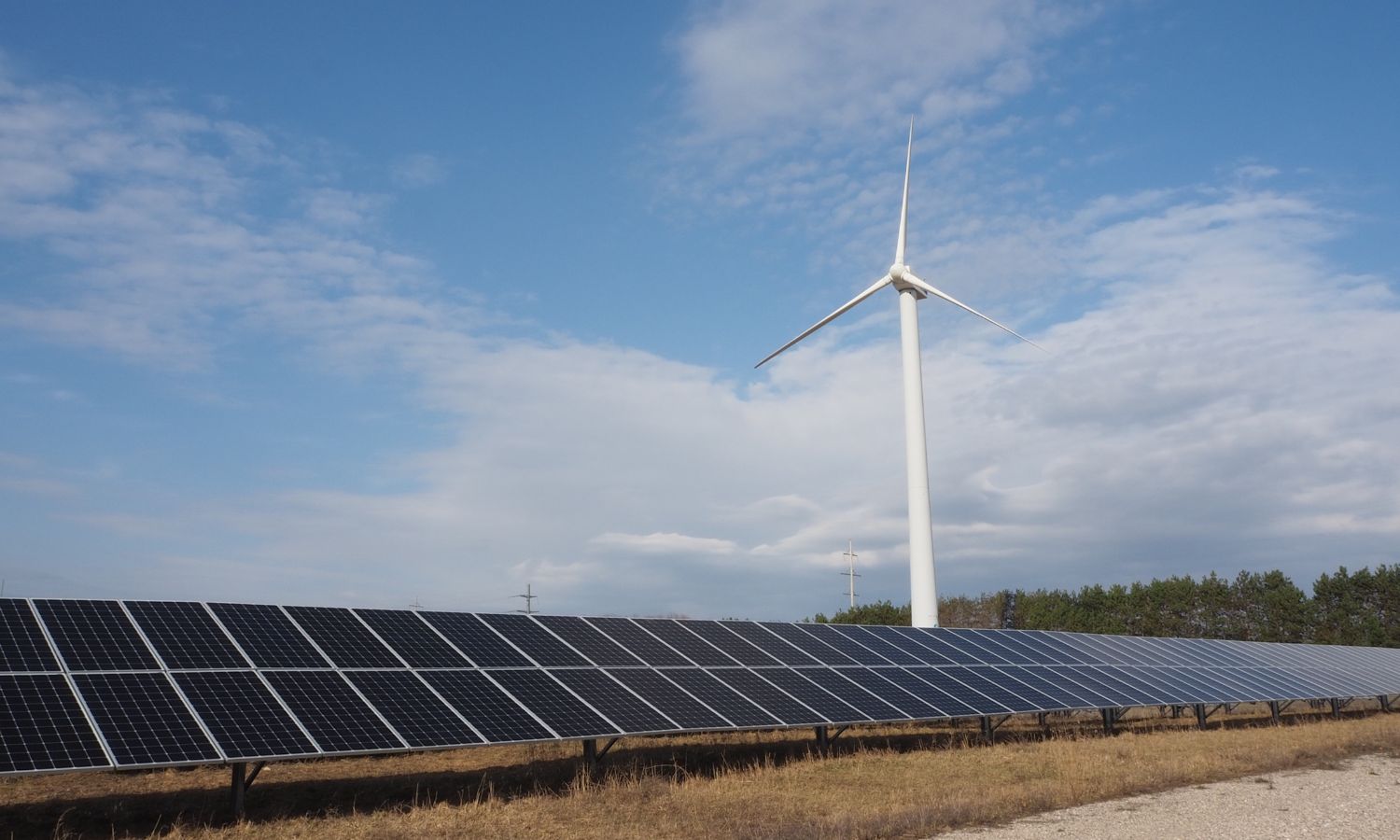
Renewable energy is moving from aspiration to operational reality in Saudi Arabia at a pace that would have seemed unlikely just a few years ago. In December 2024, TotalEnergies and Aljomaih Energy signed a 25-year power purchase agreement with the Saudi Power Procurement Company for the 300 MW Rabigh 2 solar project, a deal that reflects the confidence global energy majors now have in Saudi Arabia’s long-term renewable energy framework. Solar is the natural fit given the Kingdom’s climate, and the pipeline of utility-scale projects continues to expand, with the procurement agency releasing requests for qualification for a sixth round of solar and wind projects as recently as 2024.
- Growing Investment in Battery Energy Storage Systems
As Saudi Arabia integrates more intermittent solar and wind capacity into the national grid, energy storage has moved to the center of the sector’s planning agenda. The ability to store excess generation during peak production periods and release it during high demand windows is essential to grid stability and renewable energy viability. ACWA Power’s agreement with Uzbekistan’s Ministry of Energy to develop up to 2 GWh of standalone battery energy storage systems demonstrates the regional appetite for this technology, and Saudi Arabia’s own procurement strategy is increasingly incorporating storage requirements alongside new generation contracts. By 2024, the Kingdom had already incorporated 4,500 MW of renewable energy into the national grid, making storage solutions an operational priority rather than a future consideration.
- Energy Efficiency Programs and Sustainable Consumption Policies
Managing demand growth as efficiently as managing supply additions has become a formal policy priority for Saudi Arabia’s energy sector. The government has introduced stricter building energy codes, incentives for energy-efficient appliances, and broader national awareness programs designed to moderate per capita consumption growth. This is a practical approach to a real challenge: Saudi Arabia’s electricity demand is structurally high due to climate, industry, and population growth, and no amount of new generation capacity alone can sustainably address it without parallel efficiency improvements. For technology providers and engineering consultancies, these programs represent a growing market for energy auditing services, smart metering deployment, and building retrofit solutions across the Kingdom.
Recent News and Developments in Saudi Arabia Power Market
- April 2026: Saudi Electricity Company rebrands as Saudi Energy with record SAR 102.2 billion revenues, driven by grid modernization and digital transformation supporting rising electricity demand.
- March 2026: Saudi Arabia ranks among top ten global renewable investors with US$34 billion committed, accelerating solar and wind integration to diversify the power mix.
- February 2026: Saudi and Türkiye sign agreement for 5 GW renewable projects in Türkiye, including 2 GW solar farms backed by US$2 billion Saudi investment.
- January 2026: NEOM Green Hydrogen project reaches 90 percent construction completion, with 4 GW solar and wind assets on track for mid-year integration.
- December 2025: Saudi Power Procurement Company awards major renewable contracts, including 700 MW Yanbu wind project at competitive SR 0.06 per kWh tariff.
Note: If you require specific details, data, or insights that are not currently included in the scope of this report, we are happy to accommodate your request. As part of our customization service, we will gather and provide the additional information you need, tailored to your specific requirements. Please let us know your exact needs, and we will ensure the report is updated accordingly to meet your expectations.
Search
RECENT PRESS RELEASES
Related Post