Scientists Figured Out a Standard Measure For Cannabis Use
January 16, 2026
A new study led by researchers from the University of Bath in the UK suggests a standard unit for measuring cannabis potency, similar to how we quantify alcohol consumption with standard drinks, could help people manage their intake and identify those at risk of cannabis use disorder.
As more countries introduce laws allowing for medicinal and recreational cannabis use, such standard measures could help inform public health strategies around harm reduction.
“As cannabis becomes increasingly available in legal markets around the world, it is more important than ever to help consumers make informed choices about their use,” says senior author Tom Freeman, Director of the Addiction and Mental Health Group at the University of Bath.
Related: Giant Study Reveals a Major Surprise About Medical Cannabis
While some people limit their enjoyment to a leisurely toke once in a while, others can develop cannabis use disorder (CUD), which can lead to dependence, poor mental health, tolerance, risky behaviors, impaired brain function, and problems maintaining relationships and finances.
As it stands, it’s difficult for cannabis users and clinicians alike to quantify cannabis use, since the product has been illegal and its production unregulated for so long (and in most parts of the world, still is).
We know frequency and quantity of use can predict risk of cannabis disorder, but this doesn’t account for the potency of the active ingredients.
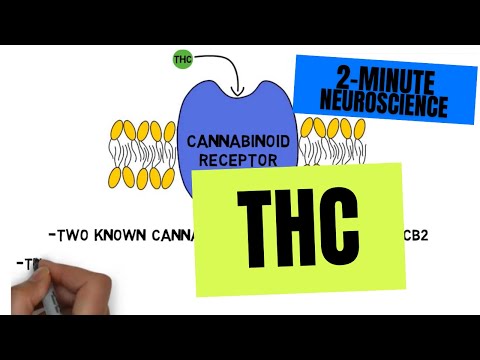
“Cannabis potency (percentage of tetrahydrocannabinol (THC)) has been increasing for several decades and use of high potency cannabis is associated with an increased risk of negative outcomes, including CUD and adverse mental health,” the researchers write in their published paper.
Reviewing data from 150 London-based adult and teen cannabis users collected across a period of 12 months as part of the four-year CannTeen study, the team estimated the drug’s potency as standard THC units.
Unsurprisingly, not all joints are created equal. For instance, a 0.45 gram joint of strong herbal cannabis might contain 12.78 standard THC units, while a weaker, seeded herbal cannabis can contain just 3.78 THC units, according to the new estimates.
Earlier studies have made similar attempts to quantify cannabis use beyond weight and frequency/duration of use. This study goes a step further, expanding on the team’s previous analysis and finding that measuring usage in standard THC units can effectively evaluate people’s risk of developing cannabis use disorder.

The study’s authors found that to reduce the risk of developing cannabis use disorder, adults should not exceed 8 THC units per week. Seventy percent of the adults who exceeded this limit in the CannTeen study reported cannabis use disorder.
“The ultimate goal of our new guidelines is to reduce harm,” explains lead author Rachel Lees Thorne, a psychology researcher from the University of Bath.
“The only truly safe level of cannabis use is no use. However, for those who don’t want to stop or are unable to, we still want to make it easier for them to lower their risk of harm. For instance, a person might opt to use lower-THC products or reduce the quantity of cannabis they use.”
Public health researchers have welcomed the findings, saying a standardized measure of THC consumption could be a useful tool that would empower patients to moderate their intake and aid research.
Psychiatrist Marta Di Forti of King’s College London notes, however, that “cannabis, unlike alcohol, does not contain only one active ingredient but over 144 cannabinoids.”
“Nevertheless, THC units are, undoubtably a very important and much-needed start,” she says.
The research is published in Addiction.
Search
RECENT PRESS RELEASES