Shifting gears: Chattanooga’s automotive sector sees challenges but continues to innovate
May 31, 2026
Allie Barrientos, a human resources manager for Gestamp, sees a challenging future for the automotive industry — even as it leads the way in innovation.
“While we no longer talk about the ‘Great Resignation’ as we did five years ago, the main challenge today lies in the shortage of talent, particularly in technical areas such as tooling and maintenance roles,” she said.
Gestamp, a company based in Spain, makes auto parts like chassis, electrical systems, hinges and more. It’s a supplier for Volkswagen in Chattanooga, employing more than 1,000 people at its local plant as of February.
Anton Kiryushov, senior program manager at Forvia’s Chattanooga facility, said supply chain volatility and cost pressure remain major concerns. Forvia, another car component manufacturer, was created in 2022 by Faurecia’s acquisition of Hella. Balancing customer expectations, pricing constraints and rapid technological changes is one of its biggest challenges, Kiryushov said.
“For example, five years ago a full project cycle was around two and a half years from first sketch until the first product became serial,” he said. “Right now, different technology and industry trends are pushing us to speed up until one year maximum.”
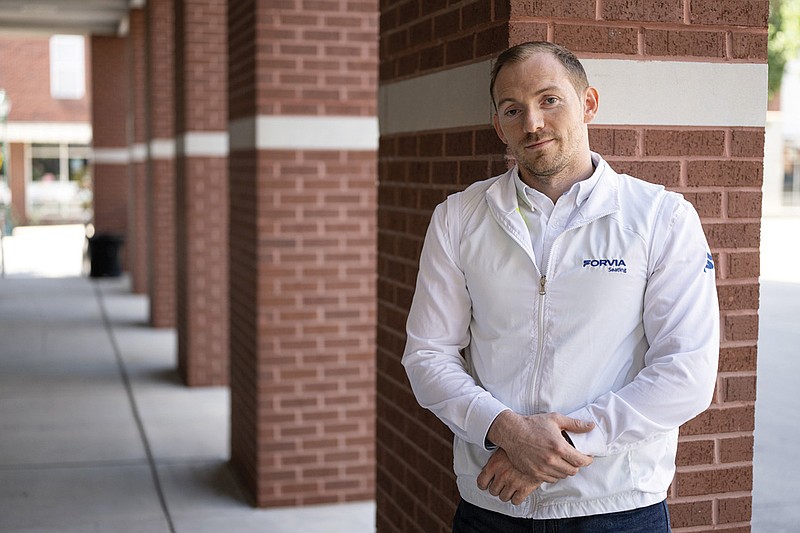
Anton Kiryushov, Senior Program Manager at Forvia’s Chattanooga facility
What does “the future of work” look like in your industry right now? How is it different than it was five years ago?
The industry is shifting from purely manufacturing-focused operations to a mix of production and software-driven development. Compared to five years ago, suppliers are much more integrated into early-stage design, especially for electric vehicle platforms and remote collaboration has become standard across global teams. Our customers expect us to provide dynamic, forward-looking solutions, perhaps now more than ever, and that is a good challenge and responsibility that we take seriously.
What’s something you’re feeling optimistic about right now?
I’m optimistic about the growth of electrification and the opportunity it creates for suppliers to innovate, especially in areas like battery systems, lightweight materials and interior technologies. In the seating space, there is significant electronics integration required in seats for different settings and heat sensors, and we expect to see this trend to continue to increase.
How is technology changing your industry?
Technology is pushing suppliers to become more than just manufacturers — we are now solution providers. Automation, AI and data analytics are improving production efficiency, while software and electronics are becoming central to product development.
What new ideas or tools are you most excited about?
Predictive maintenance, AI-driven quality control and robotization of production sites are especially exciting, as they can significantly reduce downtime, cost for labor and improve overall efficiency.
What skills will matter most over the next five years?
Technical skills in electronics, software integration and data analysis will be critical. At the same time, problem-solving, adaptability and cross-cultural communication will be equally important. Skilled trades will also always be valued, especially people who can work with different tooling.
How are you attracting and keeping talent? Any talent gaps?
We focus on offering growth opportunities, modern work environments and exposure to cutting-edge technologies. There is still a strong talent gap in software, automation and engineering roles.
What investments are you making today that you expect will pay off in the next five to 10 years?
Key investments include electrification components, smart manufacturing and digital infrastructure to support next-generation operations.
What advice would you give a college student or someone trying to get started in your industry?
Develop a strong technical foundation but also understand how the full supply chain works. Be flexible, stay curious and don’t underestimate the importance of communication skills in a global industry.
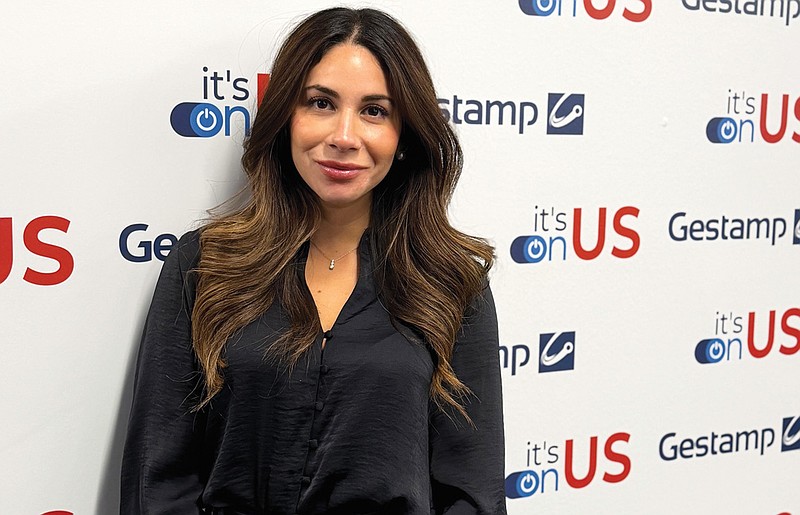
Allie Barrientos, HR Manager at Gestamp US
What’s something you’re feeling optimistic about right now?
We are particularly proud of the people-centric culture we have been able to build at Gestamp, which has helped us strengthen employee engagement and ensure that our people see Gestamp as a company where they can develop their careers and grow professionally.
What keeps you up at night? Biggest challenge?
Talent is one of the key pillars of Gestamp’s business strategy. Having the best professionals is especially important today, in a context where the shortage of qualified profiles has become one of the major challenges companies are currently facing.
How is technology changing your industry?
Technology has reshaped our industry, accelerating innovation, efficiency, safety and sustainability. Technology plays a key role in the development of complex, high‑engineering products, in the discovery of new materials, and in the implementation of best‑in‑class production and quality processes. It also provides us with a vast amount of data, which, when properly organized, helps us make better and more informed decisions.
What new ideas or tools are you most excited about?
We are implementing initiatives to ensure that talent stays with us, including targeted reskilling and upskilling programs for professionals and managers who support the growth of their teams. We also aim to attract external talent, creating academic programs that help us identify and prepare professionals interested in building a career in the automotive industry.
What skills will matter most over the next five years?
Adaptability, strong digital skills and solid technical awareness will be essential. Teamwork and cross‑functional collaboration will also be critical — not only for innovation, but because in a multinational company operating in more than 24 countries, ideas and progress emerge from many teams and locations across the organization.
How are you attracting and keeping talent? Any talent gaps?
We offer robust development programs and a differentiated benefits portfolio that connect talent with opportunities in Chattanooga. Together with Gestamp’s professional growth pathways, this helps us attract strong profiles despite the current talent shortage in technical roles such as tooling and maintenance, a challenge facing many industries globally today.
What investments are you making today that you expect will pay off in the next five to 10 years?
We are investing in long‑term talent development through our own programs, including initiatives in Chattanooga schools to spark early interest in math and technology, as well as partnerships with colleges to attract and train top talent. Internally, we also offer skills training and leadership initiatives to prepare future leaders and strengthen engagement.
What advice would you give a college student or someone trying to get started your industry?
I would encourage students to build strong technical skills, as they open many career paths in such an innovative and fast‑evolving industry. Choosing automotive allows you to shape your own career, whether in engineering or factory roles, with solid development opportunities and differentiated benefits in a truly global sector.
David Floyd
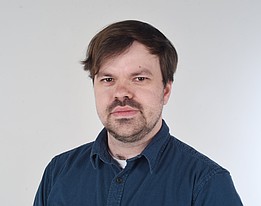
David Floyd is a business reporter for the Chattanooga Times Free Press. He graduated from East Tennessee State University in 2017 and previously worked for the Johnson City Press. He is the second youngest of six siblings. Contact him at 423-757-6249 or dfloyd@timesfreepress.com.
Search
RECENT PRESS RELEASES
Related Post