Solar And Storage Lead U.S. Power Growth As Fossil And Nuclear Stagnate
November 30, 2025

A new review of data from the U.S. Energy Information Administration shows that solar power and battery storage are leading energy growth in the United States, while fossil fuels and nuclear power are seeing very slow progress. The analysis by the SUN DAY Campaign, based on EIA’s latest Electric Power Monthly report with data through September 30, 2025, indicates that solar set new records in September and throughout the first nine months of 2025. The numbers make clear that renewable energy, especially solar, is becoming a much more significant part of the country’s electricity supply.
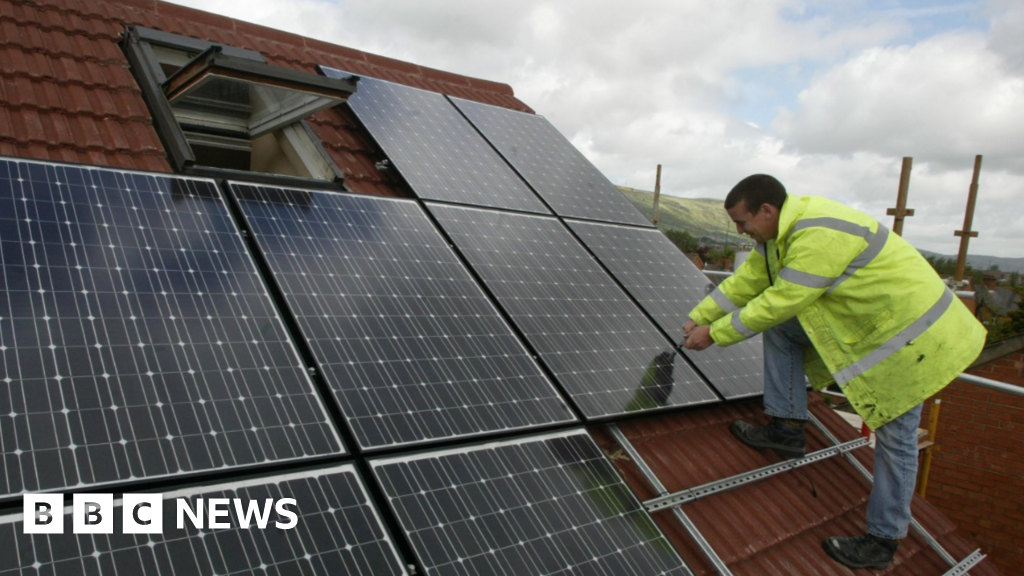
In September 2025 alone, electricity from utility-scale solar plants, which are systems larger than 1 MW, increased by 36.1% compared to September 2024. At the same time, small-scale solar, such as rooftop systems, grew by 12.7%. When combined, solar generation rose by 29.9% and supplied 9.7% of total U.S. electricity for the month, up from 7.6% the year before. Over the first three quarters of 2025, utility-scale solar increased by 35.8% and small-scale solar grew by 11.2%. Together, they expanded by 29.0% and provided a little more than 9.0% of U.S. power generation from January through September, compared to 7.2% during the same period in 2024.

For the third month in a row, utility-scale solar produced more electricity than wind power. Solar generation was 4% higher than wind in July, 15% higher in August, and 9% higher in September. When including small-scale solar, solar has produced more electricity than wind for five straight months and generated more than 40% more electricity than wind in September. Solar also far outperformed hydropower. Over the first nine months of 2025, solar produced almost 65% more electricity than hydropower, which generated 5.5% of total electricity. In September alone, solar produced more than double the electricity that came from hydropower. Solar also generated more electricity than hydropower, biomass, and geothermal combined, both in September and year-to-date.
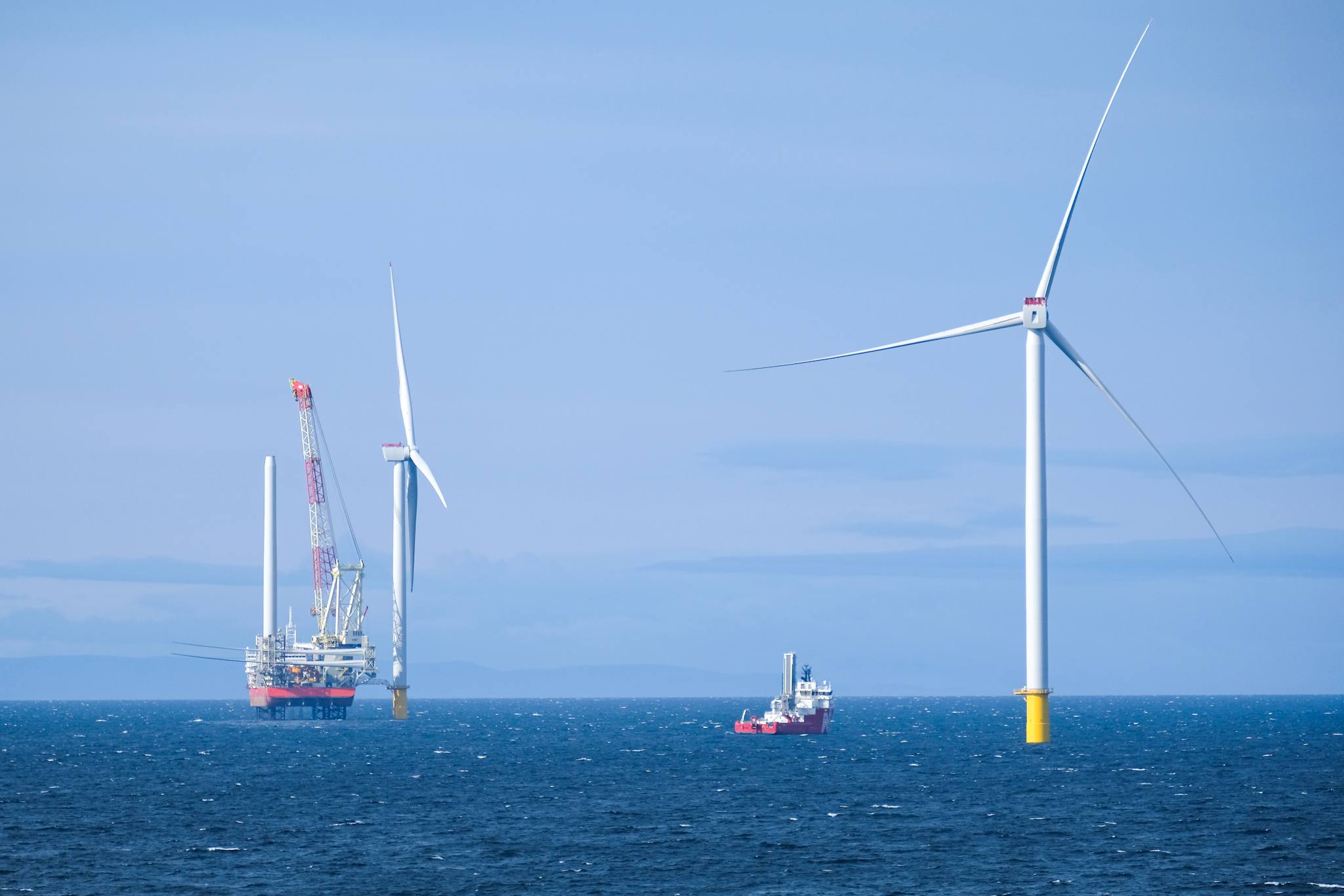
Wind power continued to be an important renewable resource. Wind turbines supplied 9.8% of U.S. electricity in the first nine months of 2025, a growth of 1.3% compared to a year earlier and 79% more than hydropower. Combined, wind and solar provided 18.8% of total U.S. electricity in the first nine months of the year, up from 17.1% in 2024. Wind and solar together produced 15.1% more electricity than coal generation and 9.8% more than nuclear power during the period. While renewable output increased, nuclear power production dropped slightly by 0.1%.
Renewable energy overall supplied 25.6% of U.S. electricity in January through September 2025, compared to 24.2% a year earlier. Natural gas remained the largest power source, but its electricity output fell by 3.8% during the period.
Capacity additions over the past year clearly show where growth is headed. From October 2024 through September 2025, utility-scale solar capacity expanded by 31,619.5 megawatts, and small-scale solar added 5,923.5 megawatts. Battery storage capacity grew strongly as well, increasing by 59.4% and adding 13,808.9 megawatts. Wind added 4,843.2 megawatts. Meanwhile, growth for fossil fuels and nuclear was very weak. Natural gas capacity rose by just 3,417.1 megawatts, nuclear increased by only 46 megawatts, coal capacity fell by 3,926.1 megawatts, and oil-based capacity dropped by 606.6 megawatts.
Adding everything together, capacity from renewables plus battery storage increased by 56,019.7 megawatts over the past year, while fossil fuels and nuclear power together lost 1,095.2 megawatts. EIA expects this trend to continue and even accelerate over the next 12 months. Utility-scale renewables and battery storage are projected to grow by 67,806.1 megawatts, while natural gas will add only 3,835.8 megawatts. Coal is expected to fall by another 5,857 megawatts, oil by 5.8 megawatts, and nuclear is not forecast to add any new capacity at all.
The new data shows a clear shift toward cleaner energy sources and a rapid rise in solar power and battery storage technology as major contributors to the U.S. electricity system.
Subscribe to get the latest posts sent to your email.
Search
RECENT PRESS RELEASES
Related Post