SpaceX Files $55B Texas Terafab as IPO Window Opens
May 6, 2026
Gotrade News – SpaceX has filed plans for a $55 billion semiconductor megaproject in Grimes County, Texas. The filing landed days before the company’s expected IPO S-1 window opens.
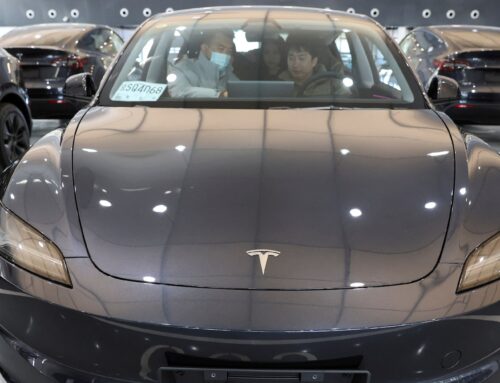
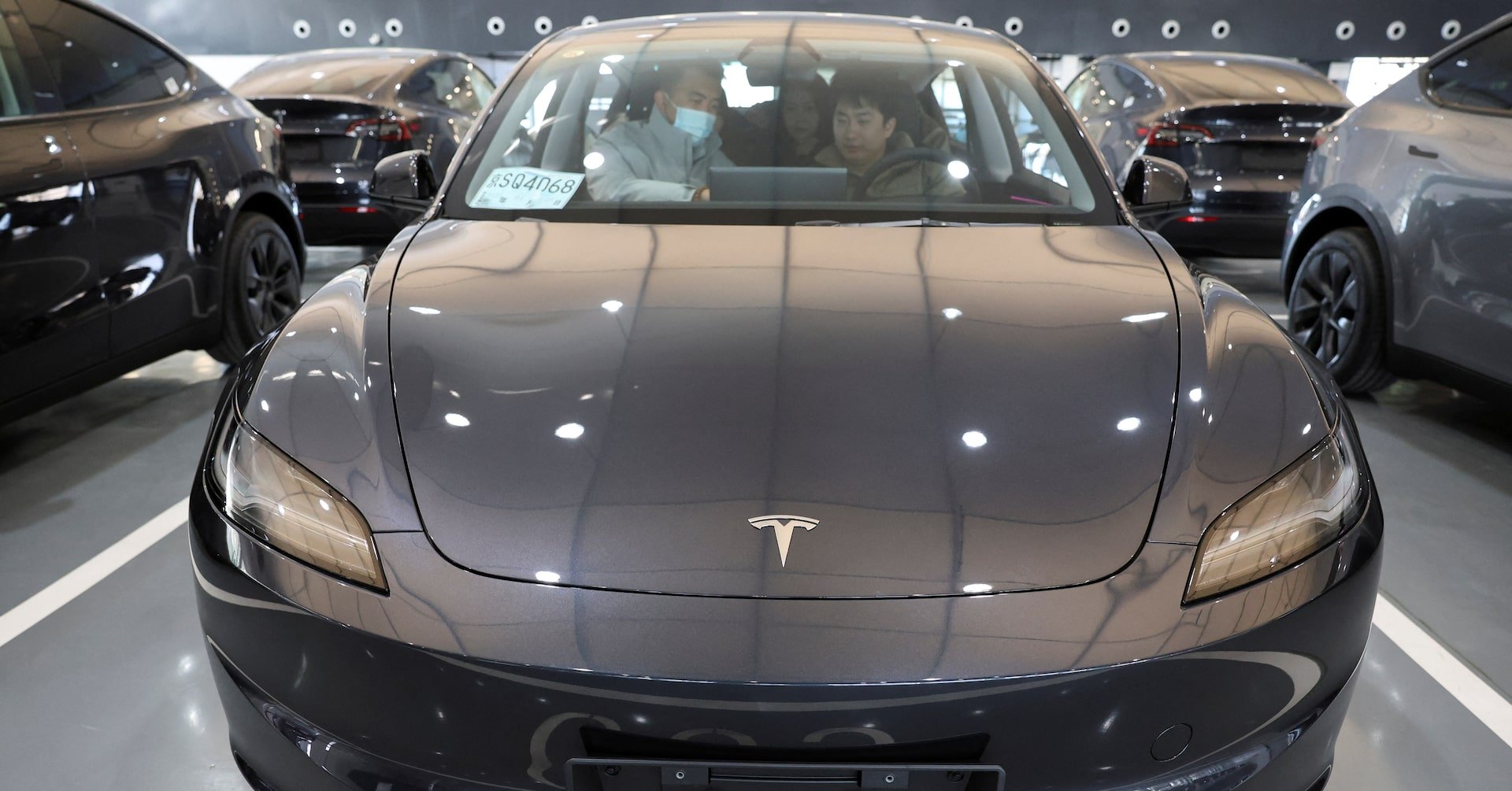
According to Bloomberg, the initial commitment is $55 billion, with potential to rise to $119 billion if all phases proceed. Reuters reported the project will use the Intel 14A process node and is jointly developed with Tesla (TSLA).
Key Takeaways
- SpaceX committed $55 billion initially, which could rise to $119 billion across all phases.
- The IPO S-1 filing is targeted for May 18 to 22, 2026, with a roadshow eyed for the week of June 8.
- Adjacent space names Rocket Lab (RKLB) and AST SpaceMobile (ASTS) rallied on the news.
Inside the Terafab Filing
The Grimes County filing describes a “next-generation, vertically integrated semiconductor manufacturing and advanced computing fabrication facility.” That language signals a fully owned chip stack, not a contract foundry deal.
According to Bloomberg, the site sits in a newly designated reinvestment zone in Texas. A local tax abatement vote is expected at a June meeting before construction milestones can advance.
The phrase “vertically integrated” carries weight in the chip supply context. It suggests SpaceX wants design, fabrication, packaging, and testing under one corporate roof rather than split across vendors.
Reuters reported the project will run on Intel (INTC) 14A, the same advanced node Intel is selling as a foundry service. That choice anchors SpaceX inside a US-domiciled process node rather than offshore fabs.
The county filing also designates the parcel as a fresh reinvestment zone, which is a precondition for any abatement package. Local officials have set the formal vote for a June meeting that will lock in the financial terms.
Tesla Tie-In and the FSD or Optimus Pipeline
Per The Motley Fool, the Terafab is a joint project with Tesla covering chips for FSD, Optimus humanoids, and AI data centers. SpaceX has also flagged plans to manufacture its own GPUs at the site.
That scope reframes the filing as more than a satellite-chip play. It positions Tesla and SpaceX to share a captive silicon pipeline across robotics, autonomy, and AI training workloads.
According to Bloomberg, the same fab footprint is sized to handle the chip volumes those product lines need. Tesla shareholders gain optionality on a guaranteed silicon supply for FSD and humanoid programs.
Why This Hits Samsung and TSMC
According to Bloomberg, the strategic intent is to reduce reliance on Samsung and TSMC for advanced nodes. Vertical integration shifts pricing power and supply security back to the customer.
That move mirrors hyperscaler strategies seen with Apple, Google, and Amazon over the past decade. Each of those firms moved from buying merchant silicon to owning critical IP and capacity.
Per The Motley Fool, the long-run impact on US suppliers can cut both ways. Terafab volumes could lift orders for US-made equipment while trimming advanced-node bookings at Asian fabs.
For Intel, a real Terafab order book on 14A would validate its foundry pivot. For incumbents, it signals that hyperscale buyers are willing to underwrite domestic capacity at scale.
Reuters reported the SpaceX umbrella now spans rockets, Starlink, and xAI under the same parent. That breadth gives the Terafab a captive demand base that pure-play fabs cannot match easily.
Per The Motley Fool, SpaceX filed confidentially with the SEC on April 1, 2026. The 15-day pre-roadshow rule places the public S-1 window between May 18 and May 22.
The Motley Fool reported a roadshow target of the week of June 8. Press consensus points to a $1.75 trillion to $2 trillion valuation and a $75 billion raise, though these figures are not S-1 confirmed.
If the raise lands at consensus, it would more than double Saudi Aramco’s $29.4 billion record. The indicative Nasdaq listing price has been floated at roughly $525 per share.
Per The Motley Fool, the public S-1 will be the first time outsiders see SpaceX’s audited financials in detail. Until that document drops, every valuation print on the tape is a press estimate.
Adjacent Tickers and Risk
Reuters reported Rocket Lab gained 5.79 percent and AST SpaceMobile added 2.98 percent on the news. The moves were not pinned to a single session but tracked the Terafab and IPO headlines.
Investors often use listed peers as proxies when a marquee private name moves toward an IPO. RKLB and ASTS sit in that proxy basket because both straddle space hardware and emerging defense or connectivity demand.
According to Bloomberg, the June Texas vote and the May S-1 window are the two markers worth tracking. The next two weeks will decide whether positive momentum extends or fades into delay headlines.
The filing itself flags risk in plain language. Per Bloomberg, the document states “there is no assurance it will meet its Terafab objectives within expected timelines, or at all.”
Investors should weight that disclosure when sizing exposure to TSLA, RKLB, ASTS, or INTC. The capex bull case is real, but execution remains gated on permits, equipment, and IPO proceeds.
Position sizing should also reflect that the IPO event itself is a binary catalyst. Pricing within consensus would extend the rally, while a delay or a raise cut would reset sentiment quickly.
Sources
- Bloomberg, “SpaceX Proposes $55 Billion to Begin Terafab Project in Texas” (May 6, 2026)
- Reuters via Yahoo Finance, “SpaceX files plan for $55 billion Terafab chip facility in Texas” (May 6, 2026)
- The Motley Fool, “The Most Important SpaceX IPO Filing Is (Likely) About 2 Weeks Away” (May 5, 2026)
Search
RECENT PRESS RELEASES
Related Post