Stellantis Betim Plant Produces Its 17 Millionth Transmission
April 18, 2026
Stellantis has officially crossed another major production benchmark in South America, announcing that its Betim Automotive Pole in Minas Gerais, Brazil, has now produced 17 million transmissions. It’s a big number, but more importantly, it highlights nearly five decades of steady industrial growth for one of the company’s most important global facilities.
The Betim site has been a cornerstone of Stellantis’ South American operations since 1976, when it first began building manual gearboxes for the Fiat 147. Fast forward to today, and the plant has evolved into a modern, high-volume production hub supplying transmissions for multiple brands across the region.
Nearly 50 Years of Evolution
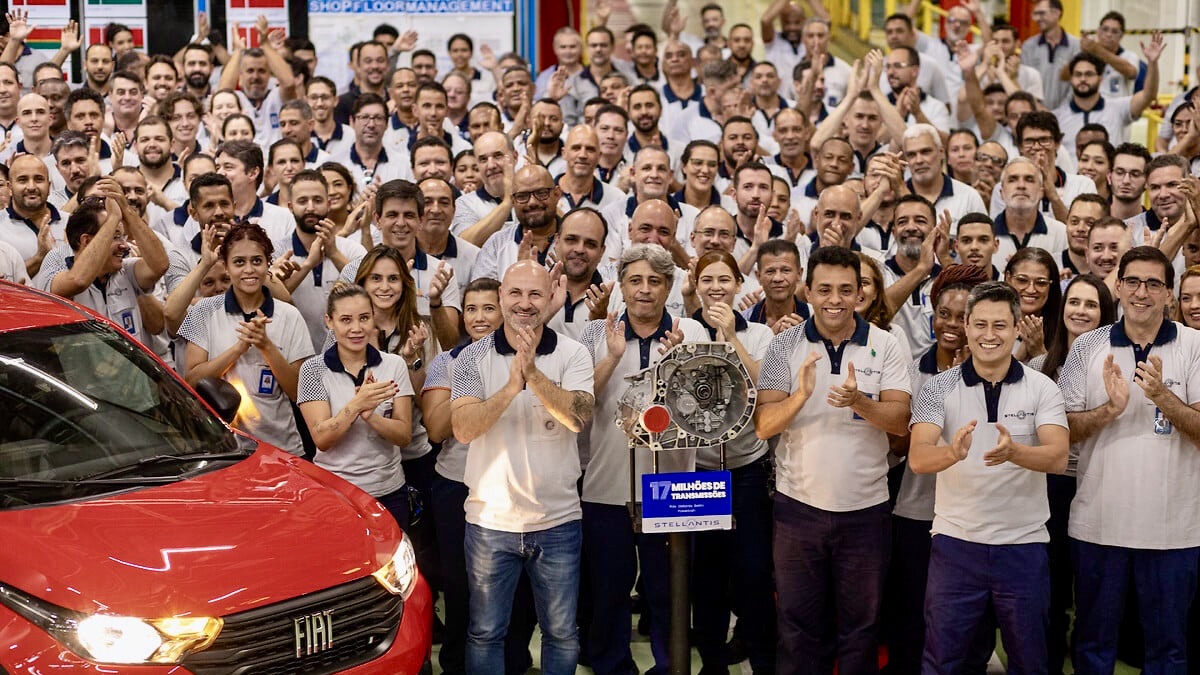
With its 50th anniversary right around the corner, Betim has transformed from a single-brand operation into a multi-brand manufacturing center. Today, it supports vehicles from Fiat, Peugeot, and Citroën, covering everything from compact city cars to small crossovers.
Executives at Stellantis emphasized that this milestone reflects more than just production volume—it represents the plant’s ability to adapt over time. The automotive industry has changed dramatically over the past few decades, and Betim has kept pace by improving efficiency, adopting new manufacturing processes, and supporting a broader product lineup.
Built for Scale and Efficiency
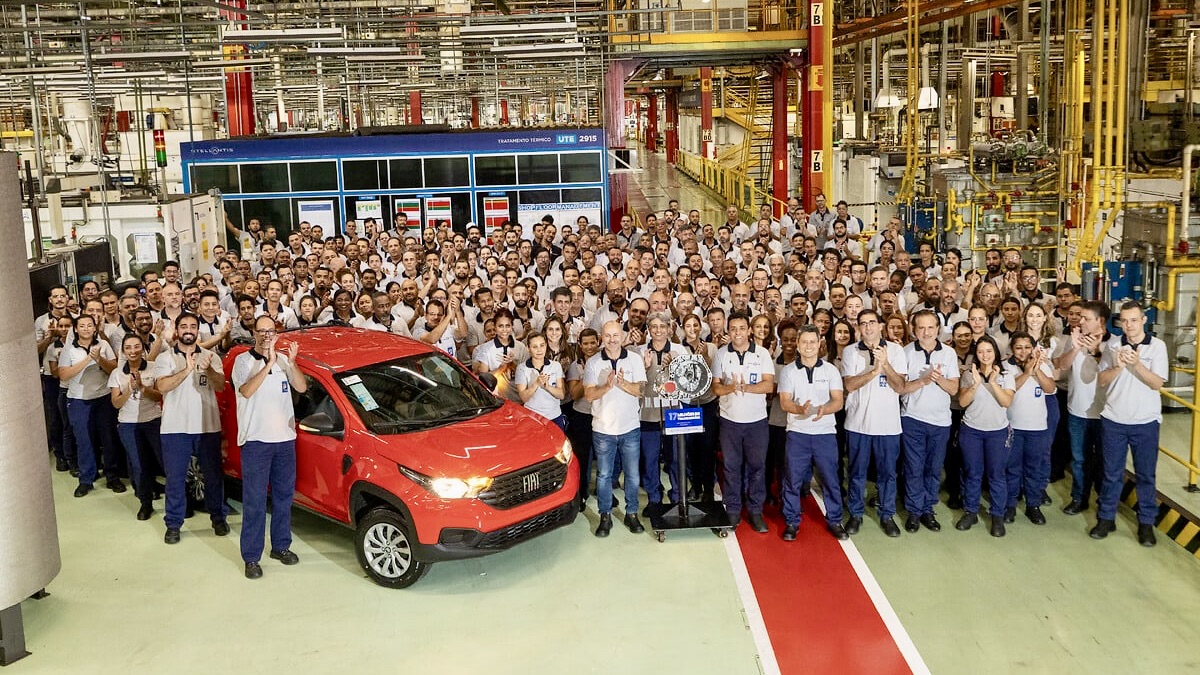
The transmission operation itself is massive. Spread across roughly 41,000 square meters (about 441,000 square feet), the facility handles everything from machining and heat treatment to final assembly.
At full capacity, the plant can produce more than 1,600 manual transmissions per day. Around 600 employees currently work in this area, building the widely used C-513 manual gearbox. This transmission is found in several popular South American models, including the Fiat Strada, Pulse, Argo, and Mobi, along with vehicles like the Peugeot 208, Citroën C3, and Jeep® Renegade.
Beyond transmissions, the scale of the operation is impressive. Since production began, the plant has processed over 204,000 tons of steel, along with tens of thousands of tons of cast iron and aluminum. It has also machined more than 425 million individual components, showing just how complex and high-volume this operation really is.
A Key Role in Stellantis’ Powertrain Strategy
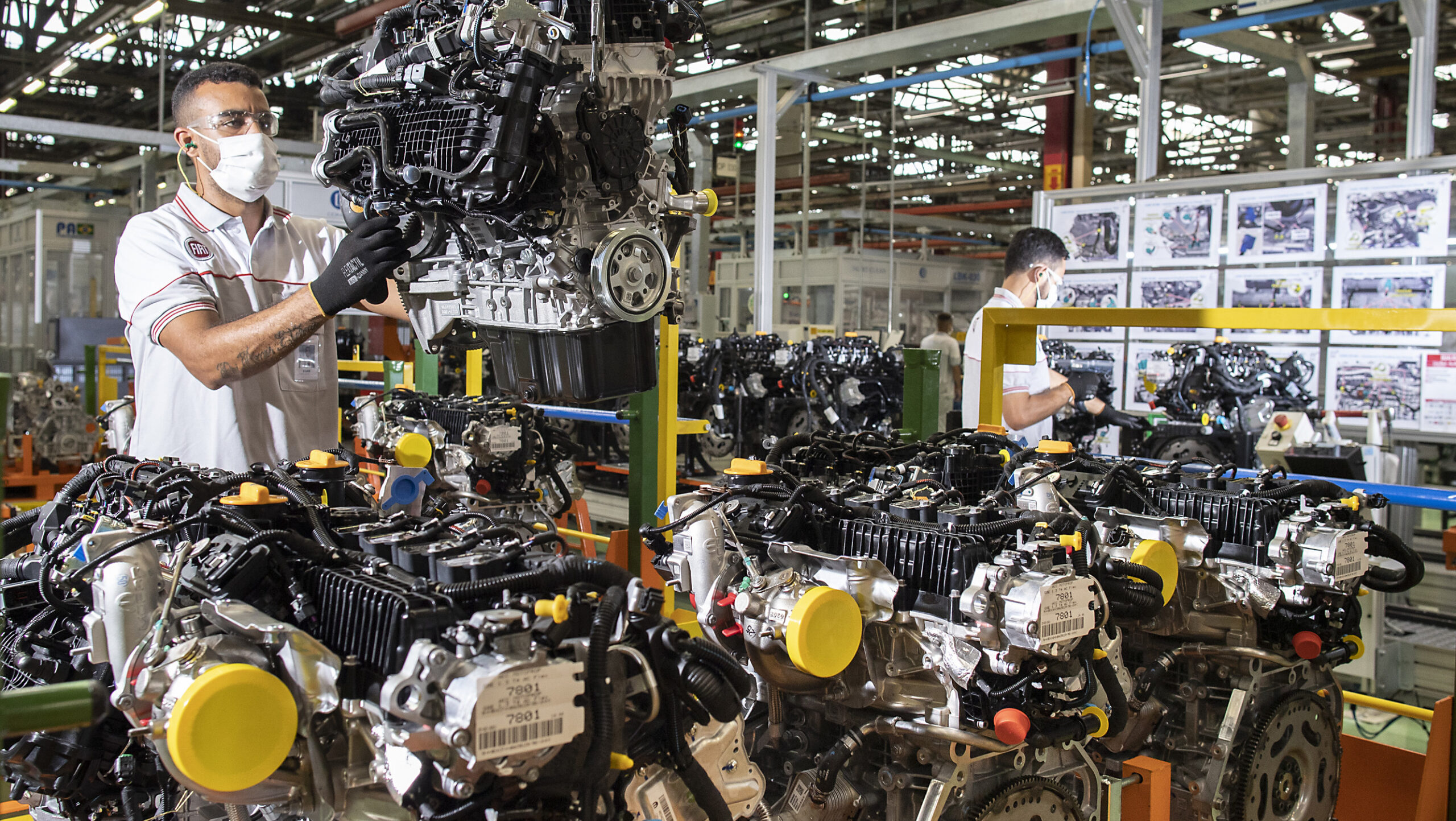
The Betim Automotive Pole isn’t just about transmissions—it’s also home to the largest powertrain production center in Latin America. That makes it a critical piece of Stellantis’ global manufacturing footprint.
In recent years, the plant has played a major role in producing engines for the region, including the Firefly family and the turbocharged GSE lineup. In fact, Betim recently surpassed the production of 1 million GSE Turbo engines, further reinforcing its importance.
Some of those engines are now paired with Stellantis’ Bio-Hybrid technology, a system designed specifically for South America. This hybrid-flex setup allows vehicles to run on multiple fuel types while improving efficiency—something that’s becoming increasingly important in emerging markets.
Looking Ahead
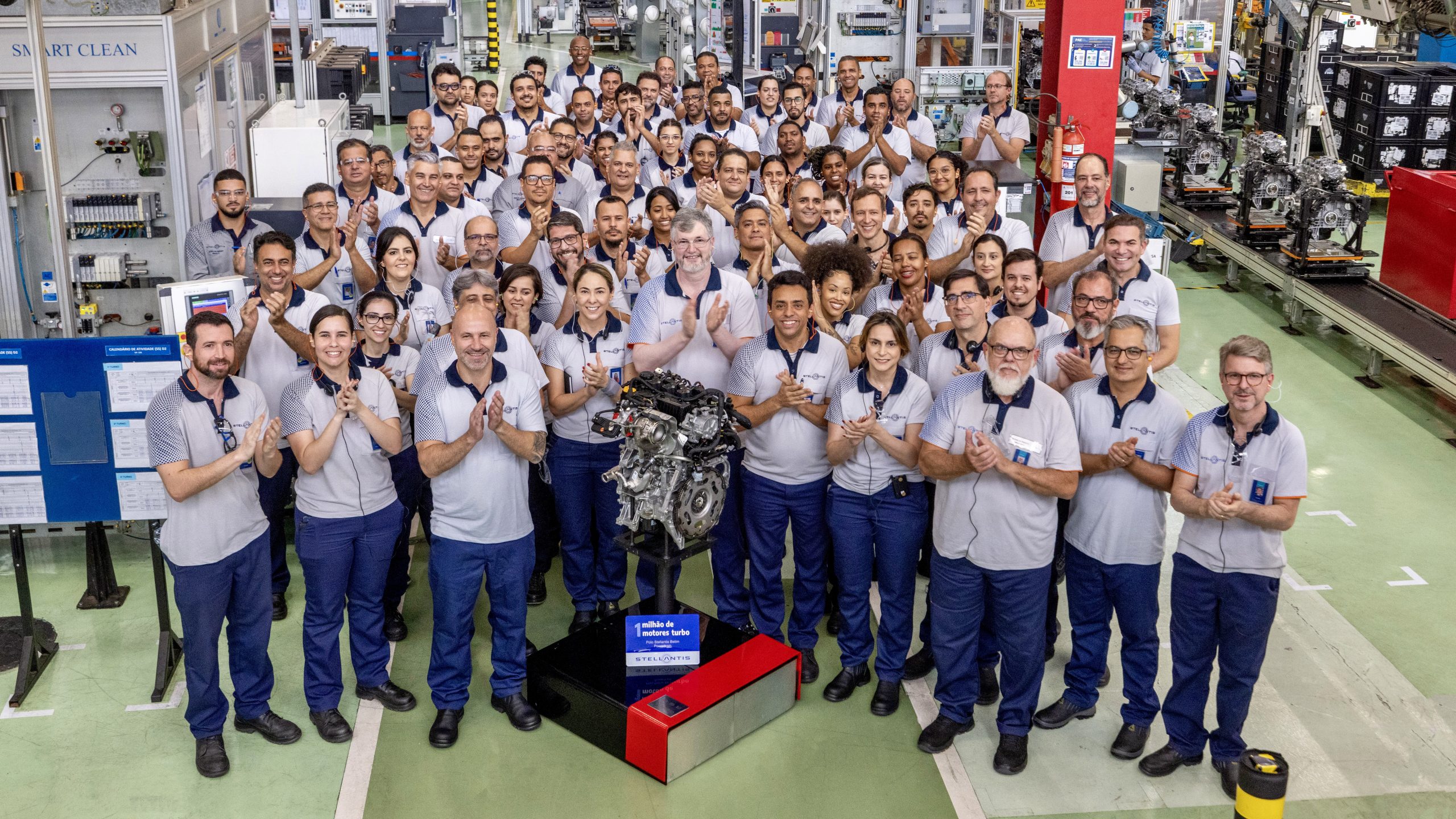
As Stellantis continues to balance traditional internal combustion engines with new electrified solutions, Betim is expected to remain a central player in that strategy. Its ability to build both conventional and hybrid-ready powertrains gives the company flexibility in a rapidly changing global market.
Reaching 17 million transmissions is a clear sign that the Betim Automotive Pole isn’t slowing down anytime soon. Instead, it’s continuing to evolve—just like the industry it helps support.
Search
RECENT PRESS RELEASES
Related Post