Stop Treating Impact Investing as a Side Hustle
December 22, 2025
To ensure endowment investments routinely align with mission, foundations need to tear down the wall between CEOs and CIOs.

December 22, 2025 | Read Time: 5 minutes
As the philanthropic sector contends with escalating threats and grantees face growing needs, foundations are searching for new strategies to ensure all their resources achieve the greatest impact. That means rethinking how they invest the approximately 95 percent of their assets sitting in endowments.
Over the past year, a range of foundations have sought our advice on launching programs that align investments with their larger missions. We are longtime proponents and practitioners of impact investing through our venture capital firm, Kapor Capital, and the Kapor Foundation. The growing number of organizations turning to us for guidance suggests that the sector may be at an inflection point.
Historically, foundation CEOs and chief investment officers have worked side-by-side but not truly together. The CEO sets strategy to drive the mission, while the CIO focuses on preserving and growing assets, with no expectation or incentive for alignment between their respective goals. Each may find the other’s work intimidating or outside their area of expertise. But the glass wall between CIO and CEO is beginning to crack.
This shift is long overdue. The sheer size of foundation endowments gives them immense potential to drive positive social change. Total assets held by American foundations are now more than $1.6 trillion. By comparison, the total global impact-investing market, made up of a range of organizations, is estimated at $1.57 trillion. If U.S. foundations committed to aligning their financial investments with their missions, they could single-handedly double the amount of impact capital deployed worldwide.
But the sector remains far from reaching that goal. The largest share of foundation assets is typically in publicly traded stocks, with venture capital often making up 20 to 30 percent of investments. Funders that aren’t intentional risk investing most of their assets in ways that run contrary to their mission, such as by exacerbating the very health and wealth disparities their grant making aims to eradicate. When the battle is between the 5 percent of assets that goes to grantees versus the 95 percent that sits in endowments, who do you think wins?
The world’s crises can’t be solved on scraps of generosity. At this critical moment, integrating the expertise of both sides of the house toward a common goal is vital. Foundation CEOs and CIOs must recognize that every investment creates impact — whether good or bad. Pretending otherwise is a dangerous illusion. It’s no longer enough to only employ outdated tactics such as avoiding “sin stocks” like alcohol, firearms, or extractive minerals. Instead, bold action is needed to channel investments into enterprises that deliver tangible, measurable social and environmental outcomes.
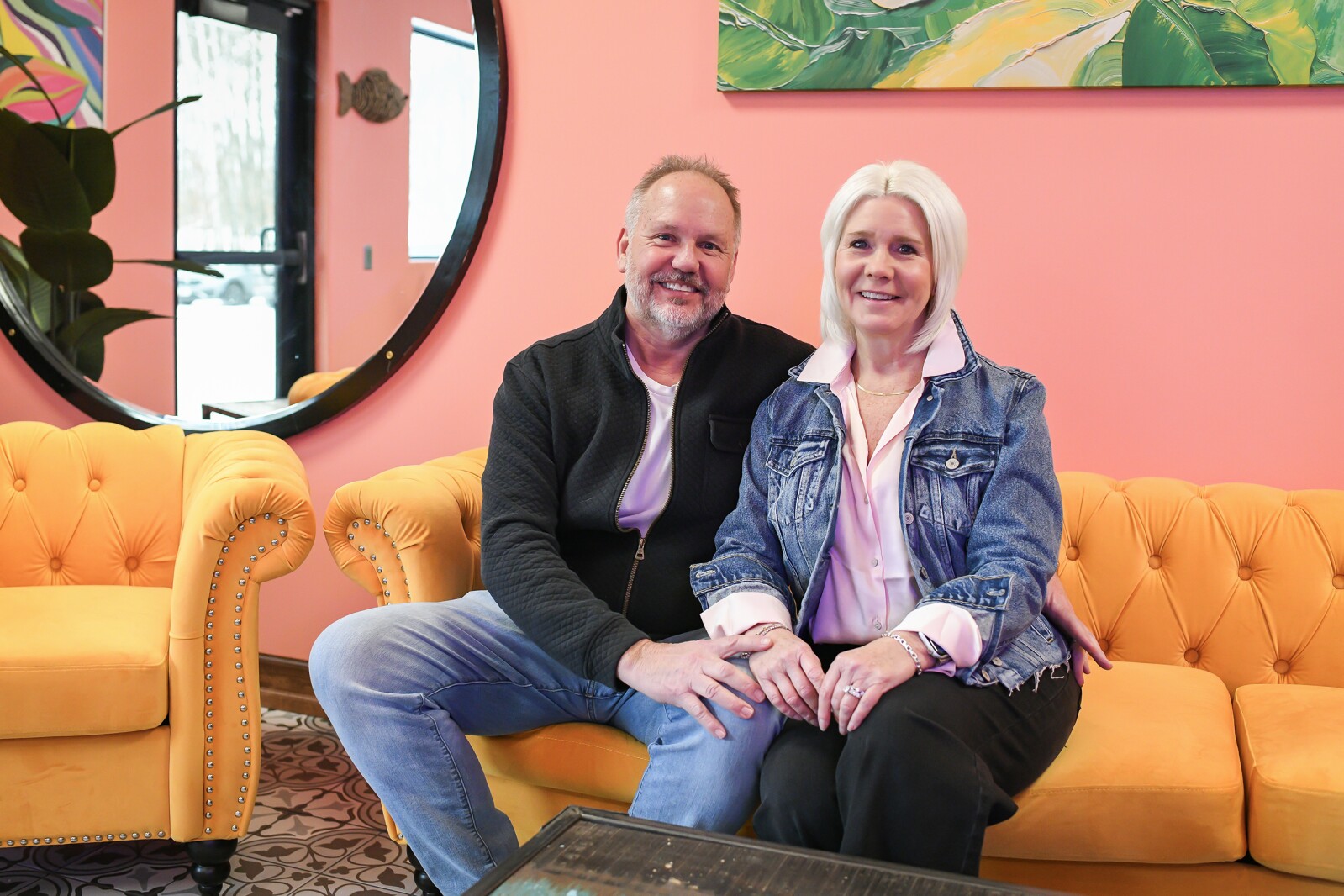
Our own experience shows what’s possible. At the Kapor Foundation, our CEO, Allison Scott, sits on the investment committee for the endowment. She decides when and whether endowment funds should be invested alongside investments from our family office, based on how well they match the foundation’s mission. Additionally, she participates in due diligence with investment prospects to assure they share our commitment to closing gaps in access and opportunity for low-income communities.
We’ve seen some CIOs at other foundations welcome the invitation to join hands with the mission side of the house. To help more of these leaders learn from each other, we recently helped bring together four female CIOs of major foundations that have committed at least $1 billion of their endowments to mission-aligned investments.
Impact investments are most powerful when they work in tandem with other foundation efforts. The Russell Family Foundation and the Woodcock Foundation, for example, have embraced “total resource activation,” aligning grants, social capital, and financial investments toward a common goal. Today, 95 percent of the Russell Family Foundation portfolio is invested in mission-aligned ways.
In California, three foundations with a combined $6 billion in assets — the California Endowment, the California Wellness Foundation, and the Weingart Foundation — are going “all-in,” pledging to invest 100 percent of their investments in small businesses, affordable housing, renewable energy, and other efforts to improve health and wealth outcomes for marginalized populations.
To fully embrace impact investing, foundations need to knock down some entrenched myths. Imagine a CEO asks the CIO to begin investing the endowment in ways consistent with the foundation’s mission. “Sure,” says the CIO, “But the endowment will lose money, and the board will fire you.”
We call this the “myth of concessionary returns” — the notion that values-based investing means trading financial impact for social impact. In reality, social impact and financial outcomes often go together.
Ameta-analysis of more than 1,000 research papers by the New York University Stern Center for Sustainable Business and Rockefeller Asset Management, found that values-based investing on average improved financial performance over the long term and offered protection during economic crises.
We’ve seen similar results through our own investing in what we call gap-closing companies. These businesses offer solutions to real problems, such as providingaccess to healthy food, improving the efficiency of government benefits programs, and creating safe AI-approaches to learning. In each case, these investments produced both top financial returns and positive social outcomes. Our overall portfolio of 100 percent gap-closing investments ranked in the top 25 percent for financial returns compared with all venture funds of comparable size.
We’re not the only ones who have realized that capitalism can serve both profit and purpose. Investment firm KKR’sImpact I portfolio, as of December 2023, was among the top three in performance across their 17 mature funds.
The final critical component of a successful impact investing strategy is setting the right expectations and incentives for CIOs. At most foundations, CIOs are judged almost exclusively on financial returns, not on the transformative — or destructive — impact those dollars create in the world. Foundations need to change the yardstick for success by institutingimpact-linked compensation, which holds CIOs accountable for not just the financial returns on investments but their alignment with the organization’s mission.
If funders are serious about solving the problems described in their mission statements, they need to stop treating endowments as a separate, untouchable pool of capital and abandon the outdated belief that investing for impact means sacrificing financial returns. Foundations have both the privilege and the responsibility to deploy every dollar — grants and investments alike — toward a more just, sustainable, and opportunity-rich future.
This is a seismic shift. But the tools exist, and the data is clear. Five percent of our resources won’t solve the world’s most entrenched inequities. They require 100 percent of our ambition and dollars. It’s time for the glass wall between CEOs and CIOs to fall.
Search
RECENT PRESS RELEASES
Related Post