Swamp Tourism Continues To Connect Visitors With Louisiana’s Natural Environment And Cultural Heritage
June 11, 2026
— Milton Walker Jr.
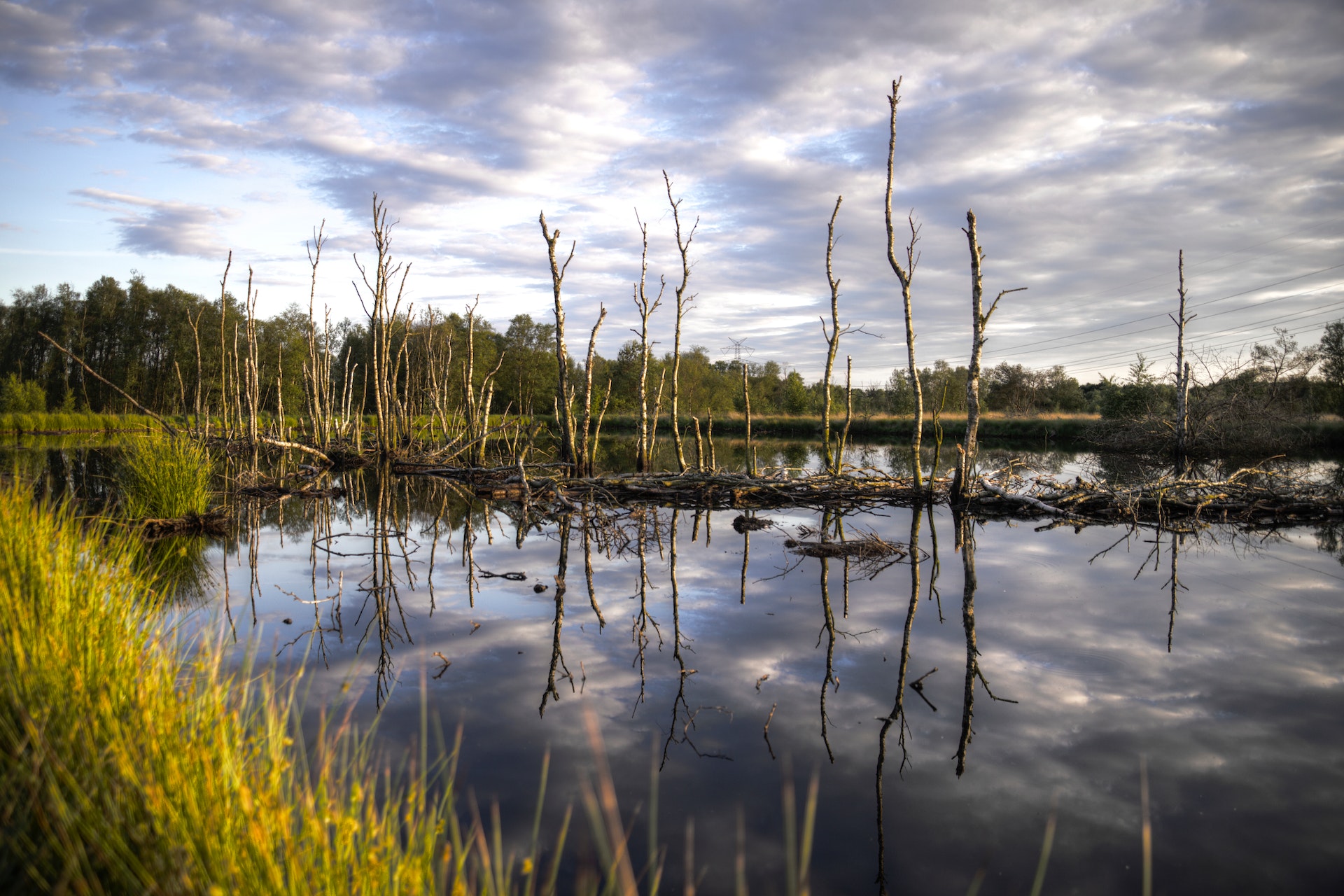
MARRERO, LA, UNITED STATES, June 11, 2026 /EINPresswire.com/ — Louisiana’s swamps have long been recognized as some of the state’s most distinctive natural landscapes. Characterized by winding waterways, towering cypress trees, diverse wildlife populations, and generations of cultural history, these environments have become an important part of Louisiana’s tourism industry. Swamp tourism continues to attract visitors from across the United States and around the world, offering opportunities to experience ecosystems and traditions that are closely connected to the state’s identity.
For many travelers, Louisiana is initially associated with food, music, architecture, and festivals. While those attractions remain central to the state’s tourism economy, swamp tours provide an additional perspective by introducing visitors to the natural environments that have influenced Louisiana’s development for centuries.
The wetlands of South Louisiana support a wide variety of plant and animal species. Alligators, turtles, egrets, herons, owls, hawks, raccoons, nutria, and numerous fish species inhabit the region’s swamps, marshes, and bayous. Guided tours often provide opportunities to observe wildlife in its natural habitat while learning about the ecological importance of these environments.
The educational component of swamp tourism has become increasingly significant. Many tours incorporate discussions about wetland conservation, environmental stewardship, coastal restoration efforts, and the role wetlands play in protecting communities from storms and flooding. These conversations help visitors gain a broader understanding of the environmental challenges and opportunities facing Louisiana’s coastal regions.
Swamp tourism also serves as a gateway to Louisiana’s cultural history. The bayous and waterways of South Louisiana have shaped settlement patterns, transportation systems, local economies, and community traditions for generations. Many families have maintained deep connections to these environments through fishing, trapping, hunting, boat building, and other activities closely tied to wetland life.
Visitors often learn about Cajun, Creole, Native American, and other cultural influences that have contributed to the unique character of Louisiana. Stories passed down through generations frequently become part of the educational experience, helping connect modern audiences with the people who have lived and worked in these environments for centuries.
Unlike many tourism experiences that take place primarily in urban settings, swamp tours provide access to areas that would otherwise remain inaccessible to most visitors. Guided transportation through bayous, marshes, and cypress forests allows participants to explore regions that are often difficult to reach without local knowledge and specialized equipment.
Photography enthusiasts frequently view swamp tours as opportunities to capture landscapes and wildlife unique to the Gulf Coast region. Seasonal changes, varying water conditions, and different wildlife activity patterns contribute to a constantly changing environment that offers new experiences throughout the year.
The economic impact of swamp tourism extends beyond tour operations themselves. Visitors participating in swamp excursions often contribute to local economies through accommodations, restaurants, transportation services, retail purchases, and other tourism-related activities. As a result, swamp tourism remains an important component of broader regional tourism efforts throughout South Louisiana.
Educational institutions also utilize swamp tours as learning experiences. Students studying environmental science, biology, ecology, geography, and regional history may participate in guided excursions designed to support classroom instruction through direct observation and field-based learning opportunities.
The preservation of Louisiana’s wetlands remains a topic of ongoing discussion among environmental organizations, government agencies, researchers, and community leaders. Swamp tourism can play a role in raising awareness about these efforts by helping visitors understand both the ecological significance and cultural importance of coastal environments.
According to Milton Walker Jr., owner of Louisiana Tour Company in New Orleans, swamp tourism offers visitors a unique opportunity to experience aspects of Louisiana that extend beyond traditional tourism attractions.
“Many visitors arrive with an interest in Louisiana’s food, music, and historic neighborhoods, but the swamps tell another important part of the state’s story,” said Walker. “The landscape, wildlife, waterways, and cultural traditions found throughout the wetlands help provide a deeper understanding of Louisiana’s history and identity.”
As interest in experiential travel continues to grow, many travelers are seeking opportunities that combine recreation, education, and cultural exploration. Swamp tourism aligns with these interests by offering experiences that connect visitors directly with the natural environment while providing context about regional history and traditions.
Tour operators frequently work with experienced local guides who possess extensive knowledge of wildlife behavior, environmental conditions, and cultural history. These insights often enhance visitor understanding while creating opportunities for meaningful engagement with the landscape.
The continued popularity of swamp tourism reflects the enduring appeal of Louisiana’s wetlands and the stories connected to them. From wildlife observation and ecological education to cultural preservation and historical interpretation, swamp tours provide a multifaceted experience that showcases many dimensions of the state.
As Louisiana continues welcoming visitors from around the world, swamp tourism remains an important way to introduce travelers to the natural beauty, environmental significance, and cultural heritage that have helped shape the region for generations. Through guided exploration of bayous, marshes, and cypress swamps, visitors gain a greater appreciation for one of the state’s most recognizable and influential landscapes.
Morgan Thomas
Rhino Digital, LLC
+1 504-875-5036
email us here
Visit us on social media:
Facebook
Legal Disclaimer:
EIN Presswire provides this news content “as is” without warranty of any kind. We do not accept any responsibility or liability
for the accuracy, content, images, videos, licenses, completeness, legality, or reliability of the information contained in this
article. If you have any complaints or copyright issues related to this article, kindly contact the author above.

Search
RECENT PRESS RELEASES
Related Post